
AI · 14 min read
AI Based SEO
Picture this: your website transforms itself in real time, guided by the power of ai based seo, responding instantly to every search trend and user need. That is not a distant dream—it is how top marketers will win in 2025.
By Matt Harrison · Published · Updated · Part of the guides behind SEO & Google Ads

Picture this: your website transforms itself in real time, guided by the power of ai based seo, responding instantly to every search trend and user need. That is not a distant dream—it is how top marketers will win in 2025.
This essential guide reveals how ai based seo is rewriting the digital marketing rulebook. Expect smarter strategies, sharper results, and more efficient campaigns than ever before.
Whether you are a marketer, business owner, or SEO pro, you will find a clear roadmap here. We will break down the evolution of AI in SEO, showcase the latest tools, share step-by-step implementation tips, spotlight SME opportunities, and tackle the ethical questions.
Get ready to see what is possible, learn what works, and start using ai based seo to drive your growth.
The Evolution of AI in SEO: From 2020 to 2025
The landscape of ai based seo has changed dramatically over the last five years. What started as a niche experiment in automation is now the backbone of digital marketing for forward-thinking brands. Let’s dive into how this transformation unfolded, and what it means for you in 2025.
Major Milestones in AI SEO Development
Back in 2020, the concept of ai based seo was just beginning to catch on. Google’s algorithm updates like BERT, MUM, and RankBrain marked a major shift. These updates moved SEO away from simple keyword stuffing and towards understanding user intent and context.
AI-powered content optimisation tools quickly followed. Surfer SEO, Clearscope, and similar platforms started using natural language processing to analyse and score content. Suddenly, marketers could bridge content gaps and predict what users wanted before they even typed a query.
Another turning point was the rise of voice search and conversational AI. Smart assistants changed how people searched, making queries longer and more natural. This forced websites to optimise for intent, not just keywords. By 2024, 58% of marketers were using ai based seo tools to keep up, according to SEMrush.
AI chatbots also became a staple on websites. These tools improved on-site engagement by answering questions instantly, keeping users from bouncing away. They made websites feel more interactive and responsive, setting a new standard for digital experiences.
Current State of AI-Based SEO in 2025
Fast forward to 2025, and ai based seo is now mainstream. Businesses of all sizes use AI to personalise content in real time, tailoring web pages to each visitor’s preferences and search history. This dynamic approach boosts engagement and keeps users coming back.
Technical SEO has seen major automation. AI tools diagnose site errors, suggest fixes, and even implement changes automatically. This means less time spent on routine checks and more focus on strategy.
The integration of ai based seo with other marketing channels is seamless. AI connects SEO with PPC, social media, and email campaigns, ensuring a consistent message across all platforms.
One standout example is AI-driven schema markup. Tools now generate and update structured data automatically, helping websites secure rich results and stand out in search.
Data shows just how widespread this has become. In 2025, 75% of top-ranking websites rely on ai based seo tools. For a deeper dive into how these strategies are shaping traffic and performance, check out AI's Impact on SEO Performance & Traffic.
The evolution of ai based seo is far from over. With rapid advancements, the opportunities for smarter, more efficient optimisation will only grow.
Core Components of AI-Based SEO Strategies
To truly compete in 2025, knowing the core components of ai based seo is essential. Each pillar works together to boost rankings, drive relevant traffic, and streamline your digital marketing workflow.
AI-Powered Keyword Research and Content Optimisation
The foundation of effective ai based seo is understanding what your audience really wants. Natural language processing (NLP) enables AI tools to uncover user intent, moving beyond old-school keyword stuffing.
With predictive keyword analysis, topic clustering, and automated content gap analysis, marketers save hours every week. Tools like Surfer SEO and Clearscope use AI to score content for relevance and depth, ensuring you outrank competitors with less manual effort.
Quick Table: Time Savings with AI Keyword Tools
| Task | Manual Time | With AI | Savings |
|---|---|---|---|
| Keyword Research | 5 hours | 2 hours | 60% |
| Content Gap Analysis | 3 hours | 1 hour | 67% |
This shift means more time for strategy and creative work. For those ready to dive deeper, check out SEO insights and strategies for practical guides on ai based seo.
AI in Technical SEO
Technical SEO can be overwhelming, but ai based seo platforms are changing the game. Automated site audits instantly flag broken links, slow pages, and crawl errors. Dynamic internal linking suggestions boost site structure and help search engines understand your content better.
AI-generated schema markup makes your pages eligible for rich results, which means eye-catching listings in search. Tools like Deepcrawl and Screaming Frog now offer AI modules, reducing the time to resolve technical issues by 40 percent.
With ai based seo handling diagnostics and fixes, you can focus on long-term growth, not just firefighting.
User Experience (UX) and Personalisation
User experience is a ranking factor, and ai based seo makes it easier to deliver what visitors want. AI analyses behavioural data in real time, adjusting content, layouts, and calls to action for each user.
A/B testing powered by AI quickly identifies which headlines or images convert best. In ecommerce, AI recommendations—like those seen on Netflix—now suggest products or content based on browsing habits, driving higher engagement and sales.
Personalisation is no longer a luxury, it is a necessity for effective ai based seo.
AI for Link Building and Outreach
Link building is still crucial for ai based seo success, but traditional outreach is slow and inefficient. AI automates prospecting, scores potential partners, and crafts personalised outreach emails that get more replies.
Machine learning identifies high-value backlink opportunities, helping you build authority faster. BuzzStream reports that AI-powered outreach campaigns see a 30 percent higher reply rate compared to manual methods.
By letting ai based seo handle the heavy lifting, you can focus on building genuine relationships and strategic partnerships.
Predictive Analytics and SEO Forecasting
Finally, predictive analytics is where ai based seo truly shines. AI analyses historical data to forecast traffic trends and ranking changes, letting you make proactive decisions.
With competitor benchmarking and tools like MarketMuse, you can predict which topics will perform well before you hit publish. Real-time dashboards powered by AI keep you one step ahead of algorithm updates.
In 2025, the ability to anticipate search trends is a must-have skill for anyone serious about ai based seo.
Implementing AI-Based SEO: A Step-by-Step Guide for 2025
Ready to get hands-on with ai based seo? Here’s your step-by-step playbook for bringing AI into your SEO workflow in 2025. Whether you’re a seasoned marketer or just starting, this approach will help you futureproof your strategy and deliver results.
Step 1: Audit Your Current SEO Setup with AI Tools
Before you can optimise, you need a clear snapshot of where you stand. Start your ai based seo journey by running a full audit using AI-powered platforms like SEMrush, Ahrefs, or Moz Pro.
- Scan for technical issues, content gaps, and backlink quality.
- Benchmark your site’s performance against competitors.
- Let AI flag urgent problems and suggest quick wins.
A thorough AI audit uncovers hidden issues that manual checks often miss. This sets the stage for targeted improvements and ensures your next moves are based on real data.
Step 2: Define Goals and Select AI Solutions
Next, set specific objectives for your ai based seo efforts. Are you looking to boost organic traffic, improve conversions, or target new audiences?
- Write down measurable SEO goals.
- Map each goal to the right AI tools (content, technical, outreach).
- For example, pair Jasper AI for content with Screaming Frog for technical SEO.
Choosing the right tech stack from the start saves time and budget. If you need inspiration, check out how AI in digital marketing is transforming strategies across industries.
Step 3: Integrate AI into Workflow and Team Training
Now, bring your team on board. Successful ai based seo isn’t just about tools, it’s about people and processes.
- Train team members on new AI platforms.
- Update workflows to include AI-driven decision-making.
- Foster collaboration between SEO, content, dev, and analytics teams.
Smooth integration means fewer roadblocks and quicker results. Make AI an everyday tool, not just a side project.
Step 4: Automate Content Creation and Optimisation
With your team and tools ready, it’s time to automate. Use ai based seo platforms to streamline content ideation, writing, and optimisation.
- Generate topic ideas and outlines with AI.
- Let AI suggest improvements for readability and SEO.
- Track performance and tweak content based on real-time insights.
Consider this workflow:
# Example: Automated content scoring
import ai_content_toolkit

score = ai_content_toolkit.analyse('your-article.txt')
print('SEO Score:', score)
Automating content tasks boosts productivity and keeps your site competitive.
Step 5: Leverage AI for Technical SEO Maintenance
Technical SEO can be daunting, but ai based seo tools make it manageable. Schedule regular AI-powered site audits to keep everything running smoothly.
- Automate detection of broken links, slow pages, and schema errors.
- Implement AI recommendations for quick fixes.
- Monitor key technical SEO metrics in real time.
A proactive approach means fewer surprises and a healthier website.
Step 6: Enhance Link Building with AI
Link building is still crucial for SEO success. Use ai based seo platforms to find quality prospects and automate outreach.
- Identify high-authority backlink opportunities with machine learning.
- Personalise outreach emails using AI-generated templates.
- Track link acquisition and measure improvements in domain authority.
A smart link-building strategy powered by AI delivers more results with less manual effort.
Step 7: Monitor, Analyse, and Adapt
Finally, set up AI-driven dashboards to monitor progress. The beauty of ai based seo is in its adaptability and predictive insights.
- Review real-time performance data and alerts.
- Adjust strategies based on AI recommendations.
- Use predictive analytics to stay ahead of algorithm changes.
A feedback loop ensures your SEO remains effective as the landscape evolves.
AI-Based SEO for SMEs: Opportunities and Challenges
Small and medium-sized enterprises are no longer locked out of premium SEO strategies. Thanks to ai based seo, the digital marketing game is changing for businesses of every size. Let’s break down how SMEs can tap into these tools, what obstacles to watch for, and how to make smart decisions in a rapidly evolving landscape.
Levelling the Playing Field: How AI Empowers SMEs
ai based seo is giving SMEs access to powerful tools that were once reserved for big brands. Affordable AI platforms now automate keyword research, content audits, and reporting, so even small teams can act fast and compete effectively.
With AI, SMEs can instantly spot content gaps, identify search trends, and optimise pages in real time. Tools like Frase make rapid content production possible, allowing businesses to keep up with shifting search intent and market demands. Curious about how AI models are reshaping marketing strategies? The Impact of ChatGPT on marketing shows just how transformative these tools can be for smaller teams.
Overcoming Common Barriers to Adoption
Despite the hype, implementing ai based seo isn’t always straightforward. Many SMEs worry about budget constraints and whether the investment will pay off. Training staff to use AI tools and integrating them with older systems can also seem daunting.
The key is to start small. Pick one AI tool to solve your biggest bottleneck, whether it’s content, technical SEO, or analytics. As your team grows more confident, you can expand your AI toolkit and streamline more processes. Remember, steady adoption beats a rushed rollout every time.
Real-World Success Stories
Plenty of SMEs are already seeing tangible gains from ai based seo. One standout example: a local retailer used AI-driven content optimisation to outrank national competitors for key local searches, tripling their organic traffic in less than a year.
Another success story involves a B2B services firm that automated its SEO reporting and link outreach, freeing up hours each week to focus on strategy. These wins show that with the right AI tools, small teams can punch well above their weight.
Potential Pitfalls and How to Avoid Them
While ai based seo brings speed and efficiency, over-reliance on automation can backfire. Automated content may lack originality or miss the mark with your audience. It’s vital to maintain human oversight to ensure quality and relevance.
Search engine guidelines are evolving rapidly, especially as AI-generated material becomes more common. For a deeper dive into what the future holds, check out Is SEO really dead in 2025. Stay updated, prioritise originality, and routinely audit your site for compliance.
The Role of Specialist Agencies and Consultants
Not every SME has the in-house skills for advanced ai based seo. That’s where specialist agencies or consultants come in. They bring expertise, up-to-date knowledge, and can bridge the gap between your goals and the latest AI trends.
Consider outsourcing if you’re short on resources or need to scale quickly. Weigh the benefits of external support versus building your own team, and always choose partners who understand both AI and your business context.
Key Trends and the Future of AI-Based SEO
Let’s look ahead. The landscape of ai based seo is changing at warp speed, and if you want to stay ahead, you need to understand the trends that will shape the future of search. From generative AI to ethical considerations, here’s what matters most for your strategy.
The Rise of Generative AI and Conversational Search
Generative AI tools like ChatGPT, Gemini, and their peers are transforming how people search. Instead of typing static queries, users now ask questions in natural language and expect instant, conversational answers.
This trend means ai based seo must adapt. Optimising for traditional keywords alone is no longer enough. Brands are shifting focus to structured data, semantic markup, and FAQ content that’s easily understood by AI models.
Featured snippets and AI-generated summaries are becoming the new battleground. According to recent AI Overviews in Google Search Results, more than half of Google’s page one results now include some form of AI-powered summary or highlight. If your site isn’t optimised for these formats, you risk losing visibility.
Hyper-Personalisation and Dynamic Content
Personalisation is no longer a bonus—it’s the expectation. With ai based seo, websites can deliver hyper-personalised experiences to every visitor, using real-time behavioural data and predictive analytics.
Ecommerce sites, for example, can adapt product recommendations, banners, and even pricing based on user history and intent. This dynamic approach boosts engagement and drives conversions.
A recent HubSpot study found that personalised content increases conversions by 20 percent. The takeaway is clear: if you’re not leveraging ai based seo for personalisation, you’re leaving revenue on the table.
Visual and Multimodal Search Optimisation
People are searching with more than just words. Visual and multimodal search—where users upload images or use voice commands—are gaining traction fast.
AI now analyses images, videos, and even mixed media to determine relevance. Tools like Google Lens and Pinterest Lens make it easier for users to find products or information by snapping a photo, not typing a query.
For ai based seo, this means optimising alt text, structured data, and ensuring your multimedia assets are easily discoverable by AI systems. Brands that master this will capture a growing share of visual search traffic.
Ethical Considerations and Algorithmic Transparency
As ai based seo becomes more sophisticated, ethical concerns are coming to the forefront. There’s a risk of algorithmic bias, content manipulation, and privacy breaches.
To address these, new standards like ai.txt: A Domain-Specific Language for AI Interactions are emerging. This language helps guide how AI interacts with web content, supporting transparency and compliance.
Staying compliant with GDPR and similar regulations is critical. Marketers must ensure that their ai based seo strategies prioritise user privacy and avoid over-automation that could harm site trustworthiness.
Preparing for the Next Wave: What to Watch in 2026 and Beyond
Looking ahead, ai based seo will become even more predictive and autonomous. Expect smarter algorithms that anticipate user needs, zero-click searches, and a bigger role for first-party data.
Here’s a quick forecast table:
| Trend | Impact on SEO |
|---|---|
| Zero-click searches | Less traffic, more brand visibility |
| First-party data | Better targeting, privacy compliance |
| Autonomous AI agents | Full SEO automation |
To succeed, brands must stay flexible and continually adapt their ai based seo approach. The future belongs to those who embrace innovation, test new tools, and never stop learning.
If you’re reading this and thinking, “Right, AI SEO sounds amazing, but where do I even start?”—you’re not alone. The world of AI-driven search can feel overwhelming, especially when you’re juggling everything else in your business. That’s exactly why I offer a free, no-nonsense chat to help you make sense of it all. We’ll talk about your goals, your current setup, and the practical next steps to bring in more leads and sales using the latest AI tools. Ready to see what’s possible? Get free 45 min consultation
Keep reading
More on ai
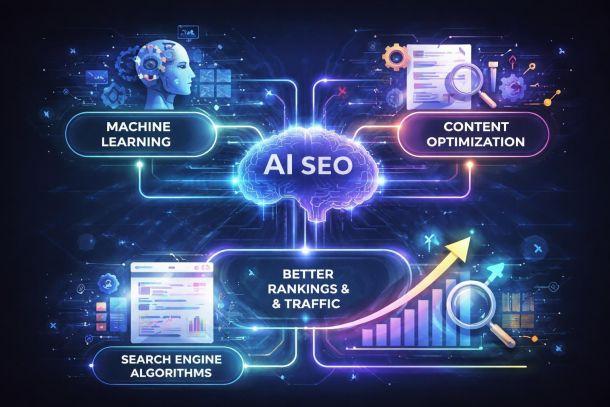
AI SEO Company
The search landscape has shifted dramatically. Google's algorithms now rely heavily on machine learning, AI-generated content floods search results, and platforms like ChatGPT are changing how people find information. This creates both opportunity and chaos for small businesses trying to rank online. An ai seo company promises to navigate this complexity using artificial intelligence to improve your search rankings, drive traffic, and generate leads. But what does that actually mean, and how do you separate genuine capability from marketing hype?
AI Keyword Research
AI is shaking up how we approach keyword research, and 2026 is set to be a game-changer. Forget the old days of endless spreadsheets and guesswork. The next wave of ai keyword research tools is smarter, faster, and more precise than ever.

Generative AI SEO
The world of search is shifting fast, and generative AI is leading the charge. Businesses and marketers now face a new era where old SEO tactics simply won’t cut it.
Want this done rather than read?
Tell me what you sell and what isn't working. The audit that starts every engagement is free, and you keep the roadmap either way.