
AI · 14 min read
AI CRM Tools
AI CRM tools are revolutionising the way businesses operate as we head towards 2026. With rapid advancements, these platforms are reshaping sales, marketing, and customer service at every level.
By Matt Harrison · Published · Updated · Part of the guides behind AI Marketing & Training

AI CRM tools are revolutionising the way businesses operate as we head towards 2026. With rapid advancements, these platforms are reshaping sales, marketing, and customer service at every level.
To stay ahead, businesses must embrace intelligent CRM platforms that automate routine tasks, personalise every interaction, and deliver predictive insights. The stakes are high, and those who adapt now will gain a clear competitive advantage.
In this article, we break down the 6 best AI CRM tools transforming business in 2026. You’ll see how their features stack up, and get practical advice to help you choose the right platform for your needs.
Why AI CRM Tools Are Essential for Business Transformation in 2026
The business landscape is evolving at breakneck speed, and the pressure to adapt is higher than ever. Traditional CRMs used to be little more than digital filing cabinets. Now, the emergence of ai crm tools is rewriting the rules, offering businesses a way to not only keep up, but surge ahead.
From Data Storage to Intelligence
With ai crm tools, businesses move beyond just storing customer information. Instead, these platforms interpret data, spot patterns, and recommend next steps. Features like predictive analytics and real-time personalisation are now standard, helping teams identify trends and act before competitors even notice what's happening.
The Revenue Impact of AI CRM
Market analysts predict that the adoption of ai crm tools will increase global revenues by over a trillion dollars by 2026. In fact, the AI in CRM market projected to reach $48.4 billion by 2033 underscores just how vital these systems are becoming. Companies that use AI for lead scoring and forecasting consistently close more deals and do it faster.
Shorter Sales Cycles, Smarter Teams
Sales teams love ai crm tools for their ability to prioritise high-value leads and automate repetitive tasks. Rather than wasting time on cold prospects, reps can focus on the hottest opportunities. Automated data entry and intelligent workflows cut out manual errors, freeing up hours each week for more strategic work.
Transforming Customer Experience
Customers now expect every interaction to feel personal. Ai crm tools deliver this by mapping out entire customer journeys and adapting messaging in real time. Features like sentiment analysis help businesses spot issues early, keeping satisfaction high and churn low. Unified data from ERP and third-party sources ensures every team member sees the full picture.
Real-World Results Across Industries
The impact of ai crm tools is seen in every sector. In retail, dynamic pricing adjusts offers on the fly. Manufacturers use predictive service alerts to cut downtime. Financial firms rely on sentiment analysis to anticipate problems before they escalate. No matter the industry, AI-driven CRM is the engine behind smarter, faster, more profitable business.
6 Best AI CRM Tools Transforming Business in 2026
Choosing the right ai crm tools can be the difference between leading the market and lagging behind. With so many platforms promising intelligent automation and predictive analytics, how do you narrow it down? Here, we compare the six best ai crm tools for 2026, covering key features, pricing, and who each solution suits best.
| Tool | Pricing | Key AI Features | Best For |
|---|---|---|---|
| HubSpot CRM with AI Features | Free, Paid from £38/mo | Lead scoring, generative content | SMEs, all-in-one users |
| Salesforce Einstein CRM | From £20/user/mo | Predictive analytics, forecasting | Enterprises, custom use |
| Zoho CRM with Zia AI | From £14/user/mo | Zia assistant, sentiment analysis | Mid-size, value-seekers |
| Freshsales (Freddy AI) | Free, Paid from £12/mo | Lead scoring, chatbots | Growing sales teams |
| Pipedrive with AI Sales Assistant | From £14/user/mo | Sales assistant, automation | Sales-centric teams |
| SAP Sales Cloud with AI | Custom | ERP integration, journey mapping | Large enterprises |
For more on building a winning CRM strategy, see AI CRM strategy insights.
HubSpot CRM with AI Features
HubSpot leads the pack for ai crm tools aimed at growing businesses. Its combination of a free plan and paid tiers from £38 per month makes it accessible to most SMEs.
Core AI features include predictive lead scoring, generative email writing, workflow automation, and the new Breeze Copilot for sales and marketing teams. Live chat and a unified dashboard make it simple to manage contacts and campaigns in one place.
Key benefits:
- Unified platform for sales and marketing
- Intuitive, friendly user interface
- Robust integration with hundreds of apps
Who’s it for? SMEs looking for an all-in-one ai crm tool that can grow with them. Easy onboarding means teams can see value quickly.
Pros
- Seamless sales and marketing alignment
- Excellent support and resources
Cons
- Advanced features need higher plan
- Customisation is limited for complex needs
Example: Firms using HubSpot’s ai crm tools report up to 30% faster lead response and better campaign ROI.
Salesforce Einstein CRM
Salesforce Einstein is the heavyweight champion of enterprise ai crm tools. Starting at £20 per user per month, it scales for large and complex businesses.
The Einstein AI layer adds predictive analytics, sales forecasting, workflow automation, and deep integration with tools like Tableau, Slack, and Outlook. Its customisation is unmatched, letting you tailor every workflow.
Key benefits:
- Deep customisation and automation
- Enterprise-grade analytics and integration
Who’s it for? Large and mid-sized companies with complex sales cycles and a need for advanced data insights.
Pros
- Highly configurable
- Powerful analytics and reporting
Cons
- Steep learning curve
- Higher cost for advanced AI
Example: Organisations using Einstein’s ai crm tools see up to 35% better forecast accuracy and 25% less manual data input.
Zoho CRM with Zia AI
Zoho CRM stands out with its Zia AI assistant and affordable pricing from £14 per user per month. It’s a top choice for mid-sized teams that want ai crm tools without breaking the bank.
Zia offers sales analytics, lead scoring, sentiment analysis, conversational AI, and workflow automation. Voice commands and multilingual support add flexibility for global teams.
Key benefits:
- Affordable AI-powered features
- Flexible customisation and automation
Who’s it for? Cost-conscious businesses needing predictive insights and easy setup.
Pros
- Great value for money
- Multilingual and voice support
Cons
- Interface can feel busy
- Some integrations are paid add-ons
Example: Zoho users report a 20% productivity increase thanks to Zia’s automation of daily tasks.
Freshsales (Freshworks CRM) with Freddy AI
Freshsales brings ai crm tools to fast-moving sales teams, offering a free plan and paid options from £12 per user per month.
Freddy AI powers lead scoring, real-time deal insights, AI chatbots, workflow automation, and detailed dashboards. The interface is clean and onboarding is quick, making it a favourite for SMEs.
Key benefits:
- Rapid deployment and ease of use
- Strong engagement and automation tools
Who’s it for? Growing sales teams wanting AI-driven insights without complexity.
Pros
- User-friendly interface
- Affordable entry price
Cons
- Some AI features in higher tiers
- Limited deep customisation
Example: Freshsales users achieve up to 40% quicker lead qualification and improved deal closure using ai crm tools.
Pipedrive with AI Sales Assistant
Pipedrive focuses on sales efficiency with ai crm tools starting at £14 per user per month. It’s built for teams that want to close deals, not fuss with admin.
The AI Sales Assistant provides actionable suggestions, automates repetitive tasks, and streamlines lead routing and meeting scheduling. Its visual pipeline is a unique selling point.
Key benefits:
- Sales-centric design for pipeline clarity
- Minimal setup and fast adoption
Who’s it for? Sales teams looking for efficiency and a visual approach to managing deals.
Pros
- Strong automation
- Easy to use and set up
Cons
- Limited for marketing tasks
- Best for sales-heavy operations
Example: Pipedrive customers see 28% more deals closed by using its ai crm tools for prioritisation.
SAP Sales Cloud with AI
SAP Sales Cloud is the enterprise solution for those who need ai crm tools with advanced ERP integration and security. Pricing is bespoke, aimed at large organisations.
AI capabilities include lead scoring, intelligent forecasting, sentiment analysis, and journey mapping. Deep integration with SAP ERP ensures a unified view of every customer.
Key benefits:
- Enterprise-grade security and scalability
- Advanced analytics and industry solutions
Who’s it for? Large enterprises needing seamless CRM-ERP connectivity.
Pros
- Robust, scalable, secure
- Strong industry-specific modules
Cons
- Complex to set up
- Higher cost for small teams
Example: SAP Sales Cloud users report ROI improvements over 700% when combining ai crm tools with unified ERP systems.
No matter your business size, these ai crm tools can help you automate, analyse, and act faster. Match your needs to the platform strengths and you’ll unlock new levels of growth and efficiency.
How to Choose the Right AI CRM Tool for Your Business
Selecting from the growing field of ai crm tools can feel overwhelming, but getting it right will directly impact your business growth in 2026. The right platform should not only fit your technical stack, but also empower your team to work smarter and deliver seamless customer experiences.
Step-by-Step Framework for Choosing AI CRM Tools
Begin by asking the right questions:
- What are your primary objectives? Are you aiming for better sales forecasting, smoother automation, or a more personalised customer journey? Pinpointing your goals helps you shortlist ai crm tools that match your vision.
- Where are your workflow bottlenecks? Identify repetitive tasks and manual processes. The best ai crm tools can automate these, freeing your team’s time. For a deeper dive on how AI powers workflow automation, see AI in marketing automation.
- What does your tech stack look like? Consider integrations with your current systems, such as Slack, Google Workspace, or ERP platforms. Seamless integration is essential for unified customer data.
- What is your budget and expected ROI? Balance feature sets against both upfront and ongoing costs. Remember, some ai crm tools charge for advanced AI features, so factor in the total cost of ownership.
Quick Comparison Table: Key Decision Factors
| Factor | What to Look For | Why It Matters |
|---|---|---|
| Business Goals | Sales, automation, CX | Aligns CRM to your strategy |
| Workflow Needs | Automation, AI insights | Eliminates bottlenecks |
| Integrations | ERP, email, comms tools | Ensures smooth operations |
| Budget | Transparent pricing, TCO | Prevents overspending |
| Usability | Intuitive UI, onboarding | Drives adoption and reduces friction |
| Scalability | Modular, flexible plans | Supports growth and change |
| Support & Training | Docs, community, vendor help | Maximises value and user confidence |
Use this table to compare shortlisted ai crm tools side by side. A clear overview can reveal which platform best fits your unique requirements.
Case Study: Retail SME vs Manufacturing Enterprise
A retail SME chose HubSpot CRM for its user-friendly interface, strong automation, and affordable entry point. Thanks to built-in ai crm tools, their team reduced manual admin time and improved campaign ROI.
On the other hand, a manufacturer opted for SAP Sales Cloud. They needed deep ERP integration and advanced analytics. SAP’s enterprise-grade ai crm tools delivered predictive sales insights and unified their customer and operations data, driving a 700% ROI.
Your choice depends on your industry, scale, and growth ambitions. By mapping needs to capabilities, you will find ai crm tools that truly move the needle for your business.
AI Trends Shaping CRM in 2026
As we enter 2026, the landscape of ai crm tools is evolving faster than ever. Businesses are embracing new trends that redefine how they engage customers, drive sales, and stay competitive. These advances are not just incremental improvements, but game-changers shaping the future of customer relationship management.
Predictive Analytics and Forecasting
Predictive analytics is at the core of modern ai crm tools, transforming how businesses make decisions. AI now analyses vast datasets in real time, spotting patterns and forecasting customer behaviour with unprecedented accuracy. Companies can anticipate demand, optimise inventory, and plan campaigns more effectively.
Consider this: 78% of organizations now use AI in at least one function, a clear sign that predictive analytics is no longer optional. With ai crm tools, sales teams can focus on high-value leads, improving win rates and reducing wasted effort.
Conversational AI and Automation
Conversational AI is changing the way brands interact with customers. Chatbots and voice assistants now deliver instant, human-like responses at scale, handling everything from support queries to sales conversations. This automation frees teams from repetitive tasks and ensures customers get the help they need, whenever they need it.
The most advanced ai crm tools integrate conversational AI with workflow automation, routing enquiries, scheduling meetings, and even qualifying leads automatically. This seamless blend of technology boosts both efficiency and customer satisfaction.
Hyper-Personalisation and Customer Experience
Hyper-personalisation is the new standard in customer engagement. AI analyses behaviour, preferences, and sentiment to tailor messages, offers, and journeys for each individual. The result? Higher engagement, stronger loyalty, and more conversions.
Tools that harness AI email automation tactics enable businesses to send the right message at the perfect moment, scaling personalisation without manual effort. In 2026, customers expect this level of relevance, and ai crm tools make it a reality.
AI-Assisted Selling and Sales Productivity
AI-assisted selling is revolutionising the sales process. AI-driven lead scoring, automated follow-up, and intelligent routing ensure that sales reps prioritise the hottest opportunities. This not only shortens sales cycles but also boosts conversion rates.
With ai crm tools, sales teams receive actionable insights and reminders, helping them close more deals with less effort. The days of manual data entry and guesswork are fading, replaced by data-driven strategies that actually deliver results.
Data Privacy, Compliance, and Digital Workers
As AI becomes more embedded in CRM, data privacy and compliance have become top priorities. AI-powered monitoring tools help businesses stay on top of regulations like GDPR, ensuring customer data is secure and handled responsibly.
Digital workers, or AI-powered assistants, are now commonplace. They handle onboarding, manage projects, and support customers, all while maintaining high standards of compliance. Ai crm tools give businesses the confidence to scale without sacrificing security or trust.
Industry-Specific AI and Future Outlook
One size does not fit all. In 2026, ai crm tools are increasingly tailored to specific industries, from retail and finance to healthcare and manufacturing. These custom features address unique challenges, such as dynamic pricing in retail or sentiment analysis in financial services.
Looking ahead, expect even more specialised solutions and deeper integration across business functions. Ai crm tools will continue to be the backbone of agile, customer-centric organisations ready for whatever the future holds.
Implementation Best Practices for AI CRM Success
Successfully implementing ai crm tools takes more than just flipping a switch. It’s about building a strong foundation, making smart choices, and supporting your team every step of the way. Here’s how to get it right from day one.
Assess Your CRM Infrastructure
Start by reviewing your current CRM landscape. Are your systems ready to support ai crm tools? Check for integration capabilities, data accessibility, and cloud readiness. Identify any gaps that could block seamless AI adoption. This assessment ensures you’re not building on shaky ground and can avoid costly surprises later.
Clean and Standardise Your Data
AI thrives on high-quality data. Before introducing ai crm tools, invest time in cleaning, deduplicating, and standardising your customer records. Inconsistent or outdated data will limit the effectiveness of predictive analytics and automation. Make data hygiene a routine, not a one-off task.
- Remove duplicates
- Standardise fields (e.g., addresses, job titles)
- Regularly audit for accuracy
Pinpoint High-Impact AI Use Cases
Don’t try to automate everything at once. Instead, define clear use cases where ai crm tools will deliver quick wins—think lead scoring, workflow automation, or customer segmentation. Prioritise processes that are manual, repetitive, or error-prone. This focus helps build momentum and win stakeholder buy-in.
Pilot Before Full Rollout
Test new ai crm tools with a small, cross-functional team first. Piloting helps you catch issues, gather feedback, and measure early results without risking business-wide disruption. For example, when Workbooks integrates AI, promises empowered sales teams, their phased approach highlighted productivity boosts and smoother onboarding. Use lessons learned to refine your full-scale launch.
Train Your Team Thoroughly
AI adoption succeeds when your people feel confident, not confused. Offer hands-on training sessions, real-world scenarios, and clear documentation. Encourage questions and share best practices openly. When rolling out ai crm tools, focus on practical skills—like leveraging AI-driven recommendations in daily workflows—to drive real engagement.
Monitor, Measure, and Optimise
Track key metrics from the start: lead conversion rates, workflow speed, customer engagement, and ROI. Use dashboards to make results visible. Continuously analyse feedback and usage data to fine-tune your ai crm tools. Be ready to pivot if results fall short, and celebrate quick wins to maintain momentum.
Manage Change Proactively
Introducing ai crm tools means change, and change isn’t always easy. Communicate the benefits clearly, address concerns head-on, and provide ongoing support. Recognise that adoption is a journey, not a destination. With the right approach, you’ll see lasting transformation.
If you’ve made it this far, you’re clearly serious about making AI work for your business—not just reading about the latest tools, but actually getting results. We both know there’s no one size fits all answer, and choosing the right AI CRM can feel overwhelming, especially with so many options on the table. If you want straight-talking, practical advice on where to start and how to turn these tools into more leads and sales for your business, let’s chat. You can grab a Get free 45 min consultation and I’ll help you cut through the noise.
Keep reading
More on ai
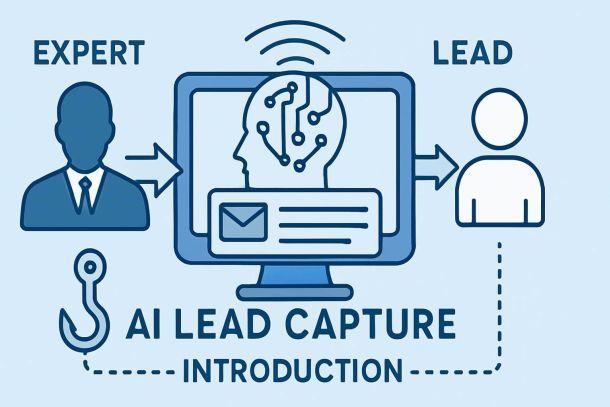
AI Lead Capture
Imagine waking up to a steady stream of qualified leads, all thanks to ai lead capture working tirelessly while you sleep. In 2026, this is not just a dream but a must-have for any business that wants real, sustainable growth and a genuine edge over the competition.

AI Reputation Management
Imagine a single negative review scaring away 22% of your future customers. In 2026, ai reputation management is not just a buzzword, it’s essential to protect your business.

AI Writing Tools
The world of ai writing tools has exploded in 2026, transforming how businesses, marketers, and writers create content. Demand for efficient, creative, and SEO-optimised writing has never been higher.
Want this done rather than read?
Tell me what you sell and what isn't working. The audit that starts every engagement is free, and you keep the roadmap either way.