
SEO · 16 min read
Google Maps SEO
Google Maps is now the front door to your business in 2026. With user behaviour shifting rapidly, AI-powered search results, and more local competitors than ever, investing in google maps seo is essential to stand out.
By Matt Harrison · Published · Updated · Part of the guides behind SEO & Google Ads
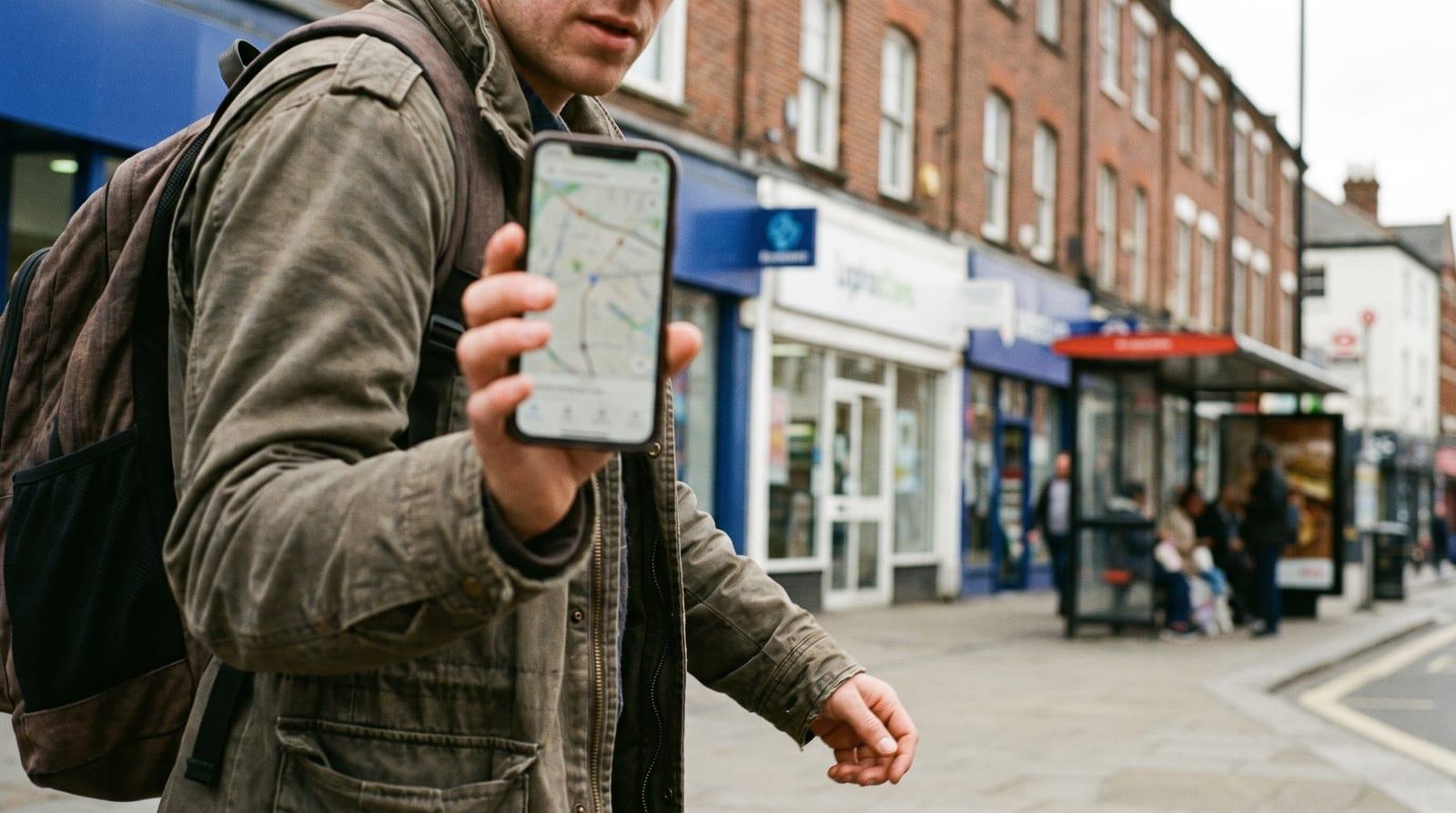
Google Maps is now the front door to your business in 2026. With user behaviour shifting rapidly, AI-powered search results, and more local competitors than ever, investing in google maps seo is essential to stand out.
If you want more website visits, calls, and foot traffic from nearby customers, ranking higher on Google Maps is non-negotiable. This guide reveals 7 essential, actionable tactics to help you dominate the map and outperform your rivals.
Ready to turn local searches into real sales? Let’s dive into proven google maps seo strategies tailored for the challenges and opportunities of 2026.
Why Google Maps SEO Matters in 2026
Google Maps SEO is not just a buzzword in 2026, it is the backbone of local business discovery. Nearly 90 percent of consumers use Google Maps to find local shops, restaurants, and services, making it the go to platform for local intent searches. With 46 percent of all Google searches focused on local results, your visibility on Maps directly affects your leads and revenue.
Let us look at some numbers:
| Metric | Statistic |
|---|---|
| Consumers using Google Maps for discovery | 90 percent |
| Google searches with local intent | 46 percent |
| Daily local business searches on smartphone | 58 percent |
Businesses that secure a spot in the Local 3 Pack consistently see more clicks, calls, and real world visits than those left further down the listings. These stats, supported by Local SEO Statistics for 2025, underline why Google Maps SEO is essential for growth.
The Role of Google Maps in Local Search
Google Maps SEO plays a vital role in connecting your business with local customers. The platform is now the first stop for most people seeking a nearby product or service. When a user searches, Google Maps prioritises businesses that are relevant, close by, and prominent in their field.
If your business appears in the Local 3 Pack, you will notice a sharp increase in website visits and phone calls. That is because these top spots receive the lion's share of attention. Consistent Google Maps SEO ensures your business is not just found, but chosen.
Evolving Google Maps Ranking Factors
The rules of Google Maps SEO are always evolving. In 2026, Google's algorithm looks beyond just proximity and relevance. Now, engagement metrics, like how often users interact with your listing, and AI driven intent signals play a huge part.
Keeping your business information up to date, gathering fresh reviews, and posting local content are now essential. Listings that are regularly updated and engage with customers stand out from static, ignored profiles. To stay ahead, focus on optimising every element of your Google Maps SEO strategy.
The Competitive Landscape in 2026
Competition for local visibility has never been fiercer. Every business, from independent shops to nationwide franchises, is investing in Google Maps SEO to capture more local leads. Multi location brands are deploying advanced tactics, making it even harder for smaller players to break through.
With more than half of all people searching for local businesses on their smartphones every day, the fight for attention is relentless. To compete, your Google Maps SEO must be smarter and more consistent than ever.
Impact on Mobile and Voice Search
The shift to mobile and voice search has transformed the way customers interact with local businesses. Searches for "near me" and voice activated queries have surged, and Google Maps listings are usually the first results people see.
If your Google Maps SEO is on point, you will capture these high intent customers right when they are ready to buy or visit. Optimising for both mobile and voice ensures your business stays visible, relevant, and accessible in a fast changing digital landscape.
Setting the Foundation: Google Business Profile Optimisation
A solid Google Business Profile (GBP) is the cornerstone of effective google maps seo. If you want your business to appear in local searches, everything starts here. Before diving into advanced tactics, you must get these fundamentals right.
Claiming and Verifying Your Listing
First, you must claim and verify your Google Business Profile to unlock all the features needed for google maps seo. The process is straightforward: search for your business on Google, claim it, and follow the verification prompts, usually via postcard, call, or email.
Verification is critical. Without it, you cannot update vital info or respond to reviews, which means you lose control over your business’s online presence. According to Google My Business Statistics 2025, verified businesses see significantly more engagement and visibility in local search. Take this step seriously to ensure you’re starting on the right foot.
Completing Every Profile Section
Next, fill out every section of your GBP. This is not the time to cut corners. Add your official business name, address, phone number, website, hours, and select the most accurate business categories. For strong google maps seo, consistency is key.
Check all details match across your website and other listings. Inconsistent NAP (Name, Address, Phone) info can harm your trust and rankings. A quick checklist:
- Double-check spelling and formatting
- Align with your website contact page
- Update immediately if anything changes
A complete, consistent profile helps Google and your customers trust your business.
Adding High-Quality Visuals and Media
Visual content is non-negotiable for google maps seo success. Upload professional photos of your premises, products, and team. Add videos or even a virtual tour if possible.
Listings with high-quality images get far more clicks and direction requests. For service businesses, before and after photos can increase engagement. Make sure every image is sharp, well-lit, and accurately represents your brand. This visual investment sets you apart from competitors who neglect their GBP gallery.
Keeping Information Accurate and Updated
Ongoing accuracy is essential for google maps seo. Regularly review and update your business hours, especially for holidays or special closures. Add attributes like “wheelchair accessible” or “LGBTQ+ friendly” to appeal to your target audience.
Outdated or incorrect information can frustrate potential customers and lead to negative reviews. Set a reminder to check your GBP monthly. Remember, Google rewards businesses that keep their details fresh and relevant.
7 Essential Google Maps SEO Tactics for 2026 Success
If you want your business to stand out in local search in 2026, mastering google maps seo is non-negotiable. The competition is fierce, algorithms are smarter, and user expectations are rising. These seven tactics are your roadmap to climbing the Google Maps rankings, attracting more local traffic, and converting digital searches into real-world customers.
1. Optimise for Local Keywords in Your GBP and Website
Start with local keyword research. What are your customers actually searching for? Use tools like Google Keyword Planner and competitor analysis to identify high-intent phrases, such as "emergency plumber in Birmingham" rather than just "plumber". The right keywords are the bedrock of google maps seo.
Naturally weave these keywords into your Google Business Profile (GBP) description, services, and your website’s landing pages. Avoid keyword stuffing; relevance and clarity win every time. Don't forget to target long-tail queries in your GBP’s "Questions & Answers" section. For example, answer user-submitted questions using phrases like "best vegan bakery in Manchester open now".
Track keyword performance using Google Search Console and Maps Insights. Monitor which terms drive discovery and adjust your strategy accordingly. For those seeking more advanced tactics, explore this Local SEO strategy insights resource for deeper guidance on integrating keywords and local optimisation.
2. Build Local Citations and Consistent NAP Across the Web
Local citations are mentions of your business across the web, including directories like Yelp, Yell, Bing Places, and industry-specific sites. The secret to google maps seo here is consistency. Your Name, Address, and Phone Number (NAP) must match exactly everywhere. Even small differences, like "Suite 10" versus "Ste 10", can cause ranking issues or erode trust.
Use citation management tools to streamline the process and avoid duplicate or outdated listings. Audit your citations regularly, especially after any business changes. Removing old or incorrect entries helps prevent confusion for both Google and your customers.
A quick checklist:
- List your business on reputable, relevant directories.
- Double-check NAP details for accuracy.
- Remove duplicates and update old listings.
- Audit citations at least twice a year.
Consistent citations are a core trust factor in google maps seo, helping Google verify your legitimacy and boosting your visibility in local results.
3. Encourage and Manage High-Quality Customer Reviews
Reviews are the social proof that can make or break your google maps seo. Encourage satisfied customers to leave reviews using email follow-ups, SMS reminders, or even QR codes at your premises. The easier you make it, the more likely they’ll share their experiences.
Respond to every review, both positive and negative. Addressing criticism with a solution shows you care and can turn a detractor into an advocate. Share your best reviews on your website or social media to build further trust.
Here’s how to build a review engine:
- Request reviews after every successful job or sale.
- Use automated tools to send reminders.
- Respond quickly, thank customers, and resolve issues.
- Avoid fake or incentivised reviews as Google penalises suspicious activity.
Listings with regular, high-quality reviews consistently outperform competitors in google maps seo and convert more browsers into buyers.
4. Leverage Google Posts and Q&A for Engagement
Google Posts are a free, powerful way to make your business profile more dynamic and appealing. Regularly publish updates, offers, events, or news to keep your listing fresh. Use eye-catching images and clear calls to action to drive traffic or bookings.
Don’t ignore the "Questions & Answers" feature. Proactively answer common customer queries and highlight your key services. This not only improves user experience but also helps target more keywords for google maps seo.
Tips for engagement:
- Schedule weekly Google Posts to maintain activity.
- Use professional photos and concise copy.
- Monitor and answer new questions promptly.
- Track which posts or Q&As get the most attention using GBP Insights.
Active engagement signals to Google that your business is current and trustworthy, directly supporting your google maps seo goals.
5. Optimise for Proximity, Service Areas, and Multiple Locations
Proximity remains a major ranking factor for google maps seo, but there’s more to it than just your address. Make sure your business location is correctly set in GBP, and define your service areas clearly if you serve multiple regions.
If you have more than one branch, create a dedicated location page for each on your website. Each page should feature unique content, contact details, and an embedded Google Map. This helps reinforce your local relevance for each area.
Key steps:
- Set accurate address and service areas in GBP.
- Create location-specific landing pages.
- Use local schema markup for structured data.
- Avoid using PO boxes or virtual offices.
Optimising for proximity and service areas ensures your business appears in the right neighbourhoods, giving your google maps seo a significant lift.
6. Build Local Backlinks and Community Authority
Backlinks from local, authoritative sources can supercharge your google maps seo. Partner with nearby organisations, charities, or events to earn mentions and links. Sponsor community activities or contribute expert commentary to local news outlets.
Consider joining business associations and chambers of commerce, as their directories often have strong local authority. Encourage happy customers to mention your business in their own blogs or social posts.
Ways to build local authority:
- Guest post on local blogs or business sites.
- Sponsor or participate in community events.
- Get featured in local publications.
- Monitor competitors’ backlinks for new opportunities.
Authoritative local backlinks not only boost your prominence in Google’s eyes but also help you connect with your community, strengthening your google maps seo from multiple angles.
7. Monitor, Analyse, and Adapt with Google Maps Insights
Continuous improvement is the name of the game in google maps seo. Use Google Business Profile Insights to track how customers find your listing, what actions they take, and which content drives engagement.
Set up UTM parameters to measure exactly how much website traffic comes from your Maps listing. Regularly review performance, spot trends, and compare against local competitors using third-party analytics tools.
Checklist for ongoing optimisation:
- Monitor views, clicks, and calls from Maps.
- Identify which posts, photos, or reviews perform best.
- Adjust your strategy based on data, not guesswork.
- Stay updated with Google Maps algorithm changes.
By making data-driven adjustments, you’ll maintain and grow your google maps seo advantage, ensuring your business stays ahead in local search.
Advanced Trends: AI, Voice Search, and the Future of Google Maps SEO
The world of google maps seo is evolving at breakneck speed. If you want to stay ahead, you need to know what's coming. Let’s break down the top trends shaping the future, so you can future-proof your local strategy.
The Rise of AI in Local Search
Artificial intelligence is now the engine behind google maps seo. Google’s algorithms learn from user behaviour, preferences, and search intent to surface the most relevant local results. You might notice Maps suggesting businesses based on your previous searches or even the time of day.
Personalisation is king. Keeping your business profile context-aware and updated helps you stand out. If you want to dig deeper into how AI is shifting the landscape, check out AI and search trends for the latest insights. The more you align your content and listings with what users actually want, the higher you’ll climb in local rankings.
Voice Search and Conversational Queries
Voice search is no longer a novelty, it’s a necessity for google maps seo. With more people asking their phones or smart speakers for local recommendations, optimising for natural language is crucial.
Think about how your customers speak, not just what they type. Phrases like “best Italian restaurant near me” or “where’s a 24 hour chemist?” trigger Maps results instantly. Add FAQs to your profile and use conversational keywords on your website. If you want to be found in voice search, you need to sound human.
Visual and AR Search Features
Visual search and augmented reality are changing the rules for google maps seo. Google Lens lets users snap a photo of a shopfront or menu, pulling up reviews and details in seconds. AR navigation overlays directions and business info directly onto the street view through a phone camera.
What does this mean for you? Keep your photos, logos, and imagery up to date. Use descriptive image tags so Google can “see” your business. The more visually appealing and accurate your listing, the more likely you’ll capture attention from on-the-go users.
Preparing for Future Algorithm Updates
Google maps seo is a moving target. Algorithm updates are constant, and what works today might be outdated tomorrow. Staying agile is your best defence.
Regularly audit your business profile and website for accuracy and relevance. Watch for Google’s announcements and industry news to spot changes early. Set reminders to refresh your content, check for new features, and monitor your local rankings. Adapt quickly, and you’ll maintain your edge as trends shift.
Common Google Maps SEO Mistakes to Avoid
Even the most promising local businesses can stumble on google maps seo if they fall into common traps. Understanding these mistakes is the first step to safeguarding your hard-earned rankings and reputation. Let’s break down the three most damaging slip-ups and how to avoid them.
Incomplete or Inaccurate Business Information
One of the fastest ways to sabotage your google maps seo is by neglecting your business details. Outdated hours, an old address, or missing contact info frustrate customers and signal unreliability to Google.
- Closed businesses showing as open can seriously harm your reputation.
- Customers may show up to find you closed, leading to negative reviews.
- Inconsistent details across your website and listings lower trust.
Did you know that 80% of consumers lose trust in businesses with incorrect information? Regularly audit your profile and ensure every field is up to date. For a deeper dive, see Optimising website for local search to keep all your local listings consistent.
Ignoring Reviews and Customer Engagement
If you’re not engaging with customer reviews, you’re missing a major google maps seo opportunity. Google rewards businesses that respond to reviews and answer questions, while neglect signals to both users and the algorithm that you’re not invested.
- Unanswered negative reviews can deter new customers.
- Ignoring questions leaves potential buyers in the dark.
- Active engagement boosts both rankings and conversions.
Make it a habit to respond promptly and professionally, even to criticism. Want proof? Check out the Impact of Reviews on Local SEO Rankings to see how review management drives local visibility.
Keyword Stuffing and Spammy Practices
Trying to game google maps seo by cramming keywords or faking locations is a shortcut to trouble. Google’s algorithm is now smart enough to spot manipulative tactics and can suspend your listing if you cross the line.
- Overusing keywords in your business name or description looks unnatural.
- Creating fake locations or irrelevant categories can get you penalised.
- Genuine optimisation always outperforms shortcuts.
Focus on providing clear, honest information. If you stick to best practices and avoid spammy tactics, you’ll build trust with both Google and your customers.
Google Maps SEO Checklist for 2026
Staying ahead with google maps seo means following a clear, actionable checklist. As Google continues to dominate search, as shown by Google's Search Engine Market Share in 2025, your local presence depends on regular, focused optimisation.
Google Maps SEO Checklist:
- Claim and verify your Google Business Profile (GBP). This unlocks all features and ensures you can control your listing.
- Complete every profile section. Fill out your business name, address, phone, hours, website, and categories. Consistency is key.
- Add high-quality photos and videos. Listings with strong visuals attract more clicks and engagement.
- Keep your information accurate and updated. Regularly review and update hours, closures, and special services.
- Research and use local keywords. Optimise your GBP and website with search terms local customers use.
- Build local citations and quality backlinks. Ensure your business is listed on reputable directories with matching details.
- Encourage and manage customer reviews. Respond to all feedback, and consider managing business reputation with AI to streamline and protect your online image.
- Post updates and answer questions. Use Google Posts and the Q&A section to stay active and engage visitors.
- Optimise for proximity and service areas. Set clear service regions and create location-specific content.
- Monitor performance with Insights. Track views, actions, and trends, and adapt your strategy as needed.
- Stay updated on trends and Google algorithm changes. Regular learning keeps your google maps seo effective.
By following this google maps seo checklist, you can maintain visibility, attract more local customers, and adapt to changes in the digital landscape.
Now you know the key tactics for standing out on Google Maps in 2026, it’s time to put them into practice and see some real results. If you want some honest, hands on advice tailored to your business—or you just want to make sure your Maps presence is actually bringing in leads, not just views—I’m here to help. Let’s chat about what’s working, what’s not, and how you can turn your listing into a proper source of new customers. Book your Get free 45 min consultation and let’s sort your local SEO together.
Keep reading
More on seo
Digital Marketing for Doctors
In 2026, patients will choose their doctors before they ever set foot in a clinic. With 75% of patients starting their healthcare journey online , your digital presence is as crucial as your bedside manner.
Affordable SEO
Is affordable SEO in 2026 still within reach, or has it become just a fairy tale for small businesses? If you're wondering how to compete online without burning through your budget, you're not alone.

Image SEO
Did you know image searches now account for over 20% of all web queries? Visual content is no longer just an add-on; it is central to how people discover brands, products, and information online.
Want this done rather than read?
Tell me what you sell and what isn't working. The audit that starts every engagement is free, and you keep the roadmap either way.