
SEO · 20 min read
Image SEO
Did you know image searches now account for over 20% of all web queries? Visual content is no longer just an add-on; it is central to how people discover brands, products, and information online.
By Matt Harrison · Published · Updated · Part of the guides behind SEO & Google Ads
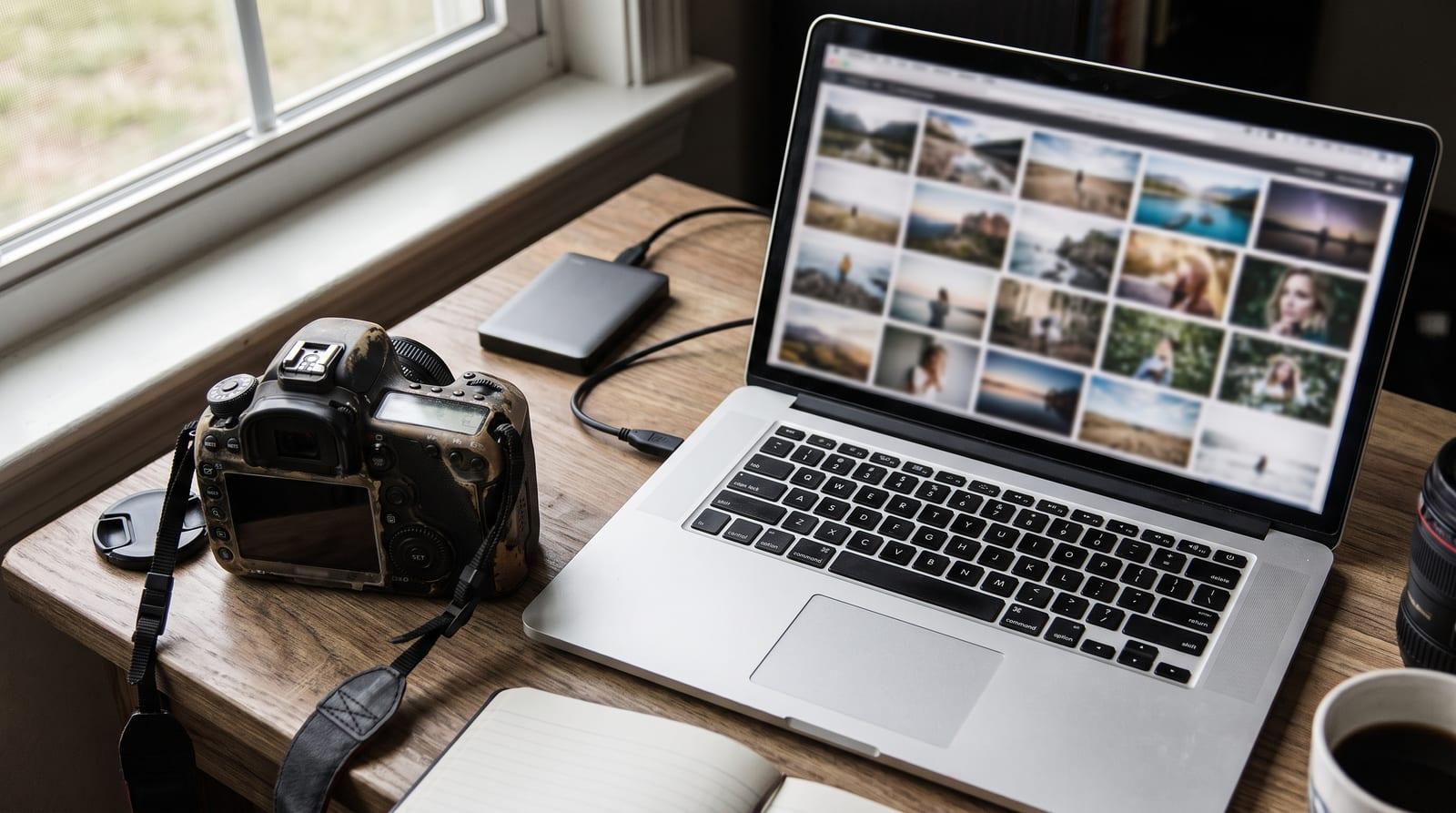
Did you know image searches now account for over 20% of all web queries? Visual content is no longer just an add-on; it is central to how people discover brands, products, and information online.
If you want more traffic, higher rankings, and better engagement, mastering image seo is essential in 2026. This guide brings you the latest, proven strategies to optimise your images for Google and beyond.
Get ready for a step-by-step journey: from technical foundations to advanced AI and visual search tactics, you will learn exactly how to outrank your competition and boost your online visibility.
Understanding Image SEO in 2026: Why It Matters
The world of image seo is evolving at breakneck speed. In 2026, staying ahead means understanding how visual content impacts your rankings, traffic, and user engagement. Let’s break down why image seo is now essential for every site, from ecommerce to publishers.
The Evolution of Image SEO
Image seo has come a long way from simple alt text and basic optimisation. Back in the early 2010s, adding descriptive alt text and compressing images was enough to see gains. Fast forward to 2026, and artificial intelligence, machine learning, and visual search engines have transformed the landscape.
Google’s algorithm now weighs not just the content of the image, but where and how it appears. Platforms like Pinterest, Instagram, and Google Lens have made visual discovery a core part of how users search. According to recent Image SEO statistics 2025, over 62% of Gen Z and Millennials now prefer visual search to text.
Images are now deeply integrated into Google’s SERPs, Google Discover, and shopping results. For ecommerce, local businesses, and publishers, image seo is no longer optional. As search engines become more visual, your images will often be the first thing users see.
How Image SEO Drives Visibility and Traffic
Image seo is a major driver of organic traffic, not just a decorative add-on. When your images are optimised, they can rank in Google Images, appear in rich results, and even feature in Google Discover. This expands your reach and puts your content in front of users who may never visit your site directly.
Optimised images support higher page rankings. Studies show that sites with well-optimised images see up to 30% more organic visits. This is not just about clicks, but also about accessibility. Great image seo ensures your content is accessible for all users, including those using screen readers.
Images can also power featured snippets and knowledge panels. When search engines understand your visuals, you increase your chances of being included in high-visibility search features. In short, image seo is a win for both users and search engines.
Key Ranking Factors for Images in 2026
To succeed with image seo in 2026, focus on a mix of relevance, quality, and context. Search engines evaluate if your image matches the page topic, is high quality, and fits naturally within the content. Mobile-first indexing means your images must load fast and look sharp on all devices.
Core Web Vitals are now a key ranking factor. Fast-loading, responsive images directly impact your rankings. Using structured data and image licensing helps search engines understand your images and display them properly.
| Ranking Factor | Why It Matters in 2026 |
|---|---|
| Relevance | Ensures images match search intent |
| Quality | High-res, clear images rank better |
| Context | Placement near relevant text boosts SEO |
| Mobile Optimisation | Crucial for mobile-first indexing |
| Structured Data | Unlocks rich results and features |
Combining these elements, image seo helps your visuals work smarter, not just harder, in the competitive search landscape.
Step 1: Technical Foundations—Image Formats, Sizes & Compression
The technical side of image seo is your bedrock for visibility and fast-loading pages. Choose the right formats, compress images, make them responsive, and deliver them quickly worldwide. Get this foundation right and you’ll see direct benefits in rankings and user experience.
Choosing the Right Image Formats for 2026
Selecting the best image format is crucial for image seo in 2026. Modern formats like WebP, AVIF, and JPEG XL offer superior compression and quality, making them ideal for most websites. WebP is widely supported, AVIF delivers even smaller file sizes, and JPEG XL is gaining traction for high-resolution needs.
Traditional formats still have their place. Use PNG for sharp graphics and transparency, SVG for logos and icons, and GIF for simple animations. However, avoid overusing outdated formats, as Google now favours next-gen options.
Google’s PageSpeed Insights recommends, “Serve images in next-gen formats.” For consistent crawling and indexing, it’s also key to use the same image URL across your pages, as detailed in Google updates image SEO best practices. This approach streamlines image seo and avoids wasted crawl budget.
| Format | Best Use | Compression | Browser Support |
|---|---|---|---|
| WebP | Photos/General | High | Excellent |
| AVIF | High-res/Next | Highest | Growing |
| JPEG XL | Large/Print | Very High | Emerging |
| PNG | Graphics | Low | Universal |
| SVG | Icons/Logos | N/A | Universal |
| GIF | Simple Anim. | Low | Universal |
Image Sizing and Compression Techniques
Image seo hinges on fast load times. Large, bulky images slow down your site and hurt rankings. Compress every image before uploading. Tools like TinyPNG, ImageOptim, ShortPixel, and Smush automate this, making bulk compression easy for big sites.
Aim for the lowest file size without visible quality loss. Automate compression in your workflow to save time. For example, reducing image sizes can boost page speed by up to 40 percent, directly improving both image seo and user satisfaction.
Here’s a quick checklist for compression:
- Use bulk tools for large libraries.
- Set max dimensions that fit your layout.
- Always preview compressed images before publishing.
Responsive and Scalable Images
With mobile-first indexing, responsive images are a must for image seo. Use srcset and sizes attributes to serve the right image size for every device. This boosts load speed and keeps images crisp on any screen.
For content management systems, most modern themes (WordPress, Shopify, Squarespace) handle responsive images out-of-the-box. If you run an ecommerce site, Shopify recommends 2048x2048px for product images to balance quality and speed.
Example img tag for responsive delivery:
<img src="product.jpg" srcset="product-500.jpg 500w, product-1000.jpg 1000w" sizes="(max-width: 600px) 500px, 1000px" alt="Red leather sofa in living room">
Always check your site’s output to ensure images adapt smoothly across all devices.
Lazy Loading and CDN Integration
Lazy loading delays the loading of images until they enter the viewport, which improves perceived speed and Core Web Vitals. Google recommends this practice for all below-the-fold images, making it an essential part of image seo.
Integrate a Content Delivery Network (CDN) such as Cloudflare or Fastly to deliver images close to your users, reducing latency worldwide. Most CDNs offer image optimisation features, compressing and resizing images on the fly.
Monitor your image seo performance using Google PageSpeed Insights. Fix any flagged issues quickly, and remember, a fast, globally optimised image setup keeps both users and search engines happy.
Step 2: Context, Relevance & Originality—Creating Images That Rank
Creating images that truly rank in 2026 is about more than just uploading pretty visuals. If you want your image seo to drive real results, you need a blend of originality, context, and technical best practice. Let’s break down what it takes to make your images work harder for your brand.
The Power of Original Visual Content
Originality is the foundation of high-performing image seo. Google’s algorithms have evolved to reward unique, high-quality visuals over generic stock images. Why? Because custom content signals expertise, authority, and trustworthiness — the pillars of E-E-A-T.
If you want to stand out, invest in bespoke photography, branded graphics, or custom infographics. For ecommerce, this could mean professional product shoots. For service businesses, think behind-the-scenes shots or team portraits. These images not only boost your image seo but also increase user engagement and sharing rates.
A study by WordStream found that original images can keep visitors on your site longer and encourage more shares. As competition grows, unique visuals are a key advantage for image seo that converts.
Image Placement and Contextual Relevance
Google is getting smarter at understanding how images fit with your content. Placing your image near relevant text, with supporting captions, helps search engines connect the dots. Captions, in particular, are proven to enhance content visibility in AI-driven search engines, as discussed in Caption Injection in Generative Search Engines.
Always ensure your images sit close to the most relevant paragraphs. Use figure and figcaption tags for clarity. Think of captions as your image’s “elevator pitch” — a quick summary that reinforces its purpose for both users and search engines.
Context matters for image seo. Google analyses surrounding text to determine what your image is about, so make sure your copy supports your visuals.
Naming Conventions and File Structure
Technical details matter when it comes to image seo. Start with descriptive, keyword-rich file names. Avoid lazy defaults like IMG_1234.jpg. Instead, use names that describe exactly what’s in the image.
| Poor Example | Good Example |
|---|---|
| IMG_1234.jpg | red-leather-sofa-living-room.jpg |
| photo1.png | handmade-ceramic-mug-blue-glaze.png |
For large sites, keep your folder structure organised. Group images by product, service, or topic. This makes managing and updating images easier, and helps Google crawl your site efficiently.
Avoiding Common Pitfalls
Even the best strategy can be derailed by common image seo mistakes. Avoid using duplicate images across multiple pages, as this dilutes their value. Relying too much on stock photos can make your site feel generic and hurt your rankings.
Always add alt text that accurately describes each image. This is crucial for accessibility, helping screen readers and meeting legal requirements in the UK and EU. Thin content, or images that don’t add value, should be replaced with visuals that support user intent.
Regularly audit your image library for outdated, irrelevant, or duplicate files. By prioritising quality, context, and accessibility, your image seo will deliver lasting results.
Step 3: On-Page Optimisation—Alt Text, Titles, Captions & Structured Data
On-page optimisation is the backbone of successful image seo in 2026. It is not just about what your images look like, but how search engines interpret and display them. Mastering these elements can give your site the edge in crowded search results.
Writing Effective Alt Text and Image Titles
Alt text is your direct line to Google when it comes to image seo. It is the main way search engines understand your visuals. Always describe what is in the image, keep it concise, and include a relevant keyword naturally.
For example, instead of "IMG_1234," use "Handmade ceramic mug with blue glaze." This approach is clear for both search engines and users. Avoid stuffing keywords or using vague phrases, as this can harm image seo in the long run.
Image titles should complement alt text. Use them for extra detail or context, especially for complex visuals. Both attributes support accessibility and can improve rankings, making them essential for image seo.
Captions, Surrounding Text, and Semantic Markup
Captions are powerful in image seo. They provide context and help search engines link visuals to on-page content. Place captions close to images and use relevant keywords where it makes sense.
Surrounding text also matters. Google scans the nearby copy to understand the image's subject. Use semantic HTML like <figure> and <figcaption> to clarify relationships between text and images, making your code cleaner and more accessible.
Optimised images are not just about technical tweaks. With Google Images growth statistics, it is clear that well-placed, relevant images drive more visibility and clicks. Make sure every image tells a story and supports your content's main message.
Image Structured Data & Licensing Markup
Structured data is a must for advanced image seo. Add schema.org/ImageObject to your images to unlock rich results and boost trust with users. This markup helps Google understand what your image represents and how it relates to your content.
For licensed images, include metadata about ownership and usage rights. Use JSON-LD or microdata formats to embed this information. Doing so makes your images eligible for enhanced features in Google Images, and increases your chances of being featured in knowledge panels or carousels.
A simple example of JSON-LD for an image:
{
  "@context": "https://schema.org",
  "@type": "ImageObject",
  "contentUrl": "https://example.com/image.jpg",
  "license": "https://example.com/license"
}
Open Graph and Twitter Card Tags for Social Sharing
Social media can drive significant traffic, so optimising images for sharing is vital in image seo. Add og:image and twitter:image meta tags to your pages. These tags ensure your images appear correctly when shared on platforms like Facebook and X (formerly Twitter).
Check image dimensions and file size. Social platforms often crop or compress visuals, which can affect quality. Use recommended sizes, such as 1200x630px for Open Graph, and run tests to see how your images display.
A well-optimised image with the right tags can boost engagement, shares, and clicks. Make this step a routine part of your image seo workflow.
Accessibility and Compliance
Making your images accessible is not just good practice, it is a legal requirement in the UK and EU. Follow WCAG guidelines: every image must have alt text that describes its content and function. Decorative images should use empty alt attributes so screen readers can skip them.
Test your site with tools like axe, WAVE, or Lighthouse to spot and fix accessibility gaps. Image seo is not complete without this step, as search engines reward accessible sites with better visibility.
Regularly review your images for compliance, especially if you update content or add new visuals. Accessible images improve user experience for everyone and help future-proof your site against legal risks.
Step 4: Advanced Image SEO Strategies—AI, Visual Search & Future-Proofing
Staying ahead in image seo now means thinking beyond the basics. The landscape in 2026 is shaped by AI, visual search, and smarter indexing. Let’s look at what it takes to future-proof your strategy and keep your images at the top of Google and beyond.
Optimising for Visual Search Engines and AI
Visual search is revolutionising how users find products and information. Platforms like Google Lens, Bing Visual Search, and Pinterest Lens are interpreting images with unprecedented accuracy. In 2026, AI understands not just the subject, but the context, surrounding text, and even user intent.
To optimise image seo for visual search, ensure your images are clear, relevant, and high quality. Use descriptive file names and alt text. Prepare for multimodal search by pairing strong visuals with informative copy. This positions your content for discovery, no matter how users search.
- Use images that clearly display your product or subject
- Ensure metadata (alt text, titles) matches page context
- Test your images in multiple visual search platforms
By focusing on these fundamentals, you’ll tap into a growing stream of organic traffic through image seo.
Leveraging Structured Data for Enhanced Visibility
Structured data is essential for making your images stand out in search results. By marking up images with schema.org properties, you unlock eligibility for rich results, image carousels, and Google Discover.
Let’s compare some popular structured data types:
| Schema Type | Use Case | Benefit |
|---|---|---|
| Product | Ecommerce | Rich product snippets |
| Recipe | Food blogs | Recipe cards, image carousels |
| Event | Local events | Event listings, images |
For ecommerce, adding detailed product schema can boost click-through rates. Always include image licensing metadata if you want your images to show in Google Images’ “licensable” badge. You can learn more about implementing structured data from Google Search Central.
Integrating these enhancements into your image seo workflow will increase visibility and trust with users.
Image Sitemaps and Indexing Best Practices
Large sites benefit hugely from dedicated image sitemaps. These help Google and other engines discover all your visual assets efficiently. Best practice is to add image entries within your existing XML sitemaps, like so:
<image:image>
  <image:loc>https://www.example.com/image1.jpg</image:loc>
  <image:caption>Blue ceramic mug on wooden table</image:caption>
</image:image>
Monitor your sitemap status in Google Search Console. If images aren’t indexed, check for crawl issues or incorrect file paths. Regular sitemap updates are vital for robust image seo, especially when adding or updating large galleries.
Monitoring, Analytics, and Ongoing Optimisation
Continuous improvement is key to staying competitive in image seo. Use Google Search Console and Analytics to track:
- Impressions and clicks from Google Images
- Click-through rate (CTR) for image results
- Number of indexed images
A/B test different visuals to see which drive the most engagement and conversions. Screaming Frog can crawl your site to audit image tags and structured data. Set up regular reviews to catch any drop in image seo performance and fix issues quickly.
Preparing for the Future of Image SEO
The future of image seo is shaped by rapid advances in AI and new search features. Stay informed about algorithm updates and experiment with generative AI tools for creating unique visuals.
Invest in ongoing training—Google’s own documentation and industry blogs are essential for staying sharp. Build internal checklists and standard operating procedures to keep your team aligned.
By embracing innovation and continuously refining your approach, you’ll ensure your image seo remains effective as search evolves.
Step 5: Image SEO for Ecommerce, Local & Niche Sites
Image seo is not a one-size-fits-all process. The strategies you use should fit your business type and goals. Whether you run an online shop, a local service, or a content-driven site, getting image seo right can give you a clear edge.
Ecommerce Image SEO Best Practices
For ecommerce, image seo starts with quality. Use crisp, high-resolution images that show your products from multiple angles. Shoppers want to zoom in and see details, so offer 360-degree views or close-ups if possible.
Structured data is a must for product images. Mark up each image with schema so Google can display your products in rich results. Platforms like Shopify recommend image sizes of 2048x2048px for sharp product displays. Make sure you compress images without losing quality, as slow-loading pages will hurt rankings and conversions.
- Use next-gen formats like WebP or AVIF
- Add descriptive file names and alt text
- Mark up images with product schema
- Test image performance in Google Search Console
Successful image seo for ecommerce means your products are more likely to show up in Google Images and shopping results, driving more traffic and sales.
Local SEO and Image Optimisation
For local businesses, image seo is vital for standing out in map packs and local searches. Start by geo-tagging your images with location data. This helps search engines link your photos to your business address.
Your Google Business Profile should feature high-quality, up-to-date images. Include photos of your storefront, team, and products, making sure each image is optimised with relevant alt text and file names.
A local café with strong image seo might see more bookings simply because their images appear in Google Maps and Discover. Always review your images to ensure they reflect your brand and local area.
- Geo-tag images for local relevance
- Use consistent branding in all photos
- Update images seasonally or after renovations
Niche Applications: Publishers, Blogs, and Service Providers
Image seo for publishers and blogs is about making your content stand out. Use compelling featured images for each article. These visuals not only attract clicks but can appear in Google Discover and rich snippets.
Service providers should invest in portfolio or gallery pages. High-quality, original images build trust and showcase your expertise. Always respect copyright and use proper licensing if you include third-party visuals.
For both publishers and service businesses, descriptive alt text and structured data help search engines understand your content. This boosts your chances of ranking in image search and helps users find the right information.
- Feature images for every post
- Use schema for articles and galleries
- Credit and license images properly
Common Mistakes and How to Avoid Them
Many sites miss out on the benefits of image seo by making simple mistakes. Over-compressing images can leave them blurry or pixelated, which turns users away. On the other hand, large unoptimised files slow down your website.
Mobile optimisation is often ignored, but most searches now happen on phones. Make sure your images scale and load quickly on all devices. Regularly audit your image library, removing old or irrelevant files.
A quick table for reference:
| Mistake | Solution |
|---|---|
| Over-compression | Balance quality and size |
| Ignoring mobile | Use responsive images |
| Outdated images | Schedule regular audits |
Avoiding these pitfalls will keep your image seo efforts on track and your site performing well.
Industry-Specific Examples
Let’s look at how image seo drives results across industries. An ecommerce fashion retailer with optimised product images may see a measurable increase in Google Images impressions and sales. A local plumber who uploads geo-tagged before-and-after photos can climb the map pack rankings.
In hospitality, hotels with rich, high-quality photos and strong image seo often get more direct bookings. For professional services, a well-optimised gallery can turn visitors into leads.
The bottom line? No matter your industry, focusing on image seo can boost visibility, engagement, and conversions. If you want a deeper dive, Google’s Search Central Image Best Practices is a great place to start.
Image SEO Tools, Resources & Ongoing Maintenance
Staying ahead in image seo takes more than a one-off optimisation. You need the right toolkit, a smart workflow, and a commitment to continuous improvement. Let’s break down the essentials for keeping your image seo sharp, effective, and future-proof.
Essential Tools for Image SEO Success
To master image seo, equip yourself with industry-leading tools. For compression, TinyPNG, ImageOptim, and ShortPixel help shrink file sizes without sacrificing quality. Analytics is critical, so monitor your images using Google Search Console and Google Analytics to track impressions and clicks.
Structured data matters more than ever. The Google Rich Results Test and Schema Markup Validator make sure your images are eligible for enhanced search features. For accessibility, use axe, WAVE, and Lighthouse to check that every image meets WCAG standards. Here’s a quick comparison:
| Tool Type | Top Choices | Main Benefit |
|---|---|---|
| Compression | TinyPNG, ImageOptim, ShortPixel | Faster load times |
| Analytics | Search Console, Analytics | Performance tracking |
| Structured Data | Rich Results Test, Validator | Rich snippets, trust |
| Accessibility | axe, WAVE, Lighthouse | Legal & user compliance |
Keep these tools in your image seo workflow to drive results.
Workflow Tips for Teams and Solo Operators
Whether you’re a solo operator or part of a team, an organised workflow is key for ongoing image seo. Start with batch processing and automation for large image libraries. Tools like ShortPixel and Smush let you compress and optimise images in bulk, saving hours.
Integrate image seo into your content publishing process. Create a checklist for naming, alt text, and structured data. Schedule regular audits to spot outdated images or missed optimisation opportunities. For bigger teams, shared SOPs and cloud-based tools help everyone stay on the same page.
A streamlined workflow ensures your image seo efforts scale as your site grows.
Staying Up-to-Date with Image SEO Trends
Image seo evolves quickly. Stay in the loop by following Google Search Central for the latest updates. Industry blogs like WordStream, Moz, and SEMrush share strategies and case studies that keep you competitive.
Join SEO communities and forums to exchange tips and spot emerging trends. Subscribe to newsletters or set up Google Alerts for “image seo” to catch new developments as they happen.
Keeping your finger on the pulse means your image seo strategy never gets stale.
Training & Upskilling for 2026 and Beyond
To future-proof your image seo skills, invest in ongoing training. Take courses on structured data, AI-driven optimisation, and accessibility. Platforms like Coursera, SEMrush Academy, and Google’s training hub offer up-to-date resources.
Build internal checklists and standard operating procedures to make best practices stick. Encourage your team to experiment with new tools and test what works. Sharpening your image seo know-how today means you’re ready for tomorrow’s challenges.
A culture of learning ensures your image seo always delivers results.
You’ve just seen how image SEO can be the secret weapon for driving more visitors and turning browsers into buyers—especially if you’re running a small or growing business. If you want to see real, measurable results and not just tick boxes, why not get a bit of expert help? I’m offering a free 45 minute consultation where we’ll look at your site together, spot what’s holding you back, and map out practical steps to boost your visibility and sales. No waffle, just honest advice that works—grab your spot here: Get free 45 min consultation
Keep reading
More on seo
Marketing Audit
In 2026, the pace of change in marketing is enough to make your head spin. AI tools, stricter privacy rules, and the pressure to connect with customers everywhere are rewriting the playbook. If you want to keep your business ahead, a marketing audit is no longer optional. It's the secret weapon that lets you spot wasted spend, stay compliant, and turn data into results.
Digital Marketing for Doctors
In 2026, patients will choose their doctors before they ever set foot in a clinic. With 75% of patients starting their healthcare journey online , your digital presence is as crucial as your bedside manner.
Affordable SEO
Is affordable SEO in 2026 still within reach, or has it become just a fairy tale for small businesses? If you're wondering how to compete online without burning through your budget, you're not alone.
Want this done rather than read?
Tell me what you sell and what isn't working. The audit that starts every engagement is free, and you keep the roadmap either way.