
Web design · 20 min read
Work in Web
The world of work in web is transforming at breakneck speed. New technologies, evolving roles, and changing expectations mean what you know today might not be enough tomorrow.
By Matt Harrison · Published · Updated · Part of the guides behind Web Design & Build
The world of work in web is transforming at breakneck speed. New technologies, evolving roles, and changing expectations mean what you know today might not be enough tomorrow.
Are you prepared for the next wave of digital disruption? This essential guide will help you navigate the future, uncovering the skills, career paths, and trends that matter most for anyone aiming to thrive in work in web.
Whether you are a job seeker, a seasoned web professional, or an employer scouting top talent, you will find practical tips and clear strategies here. Ready to future-proof your career? Let us dive in.
The Evolving Web Landscape: What’s Changing by 2026?
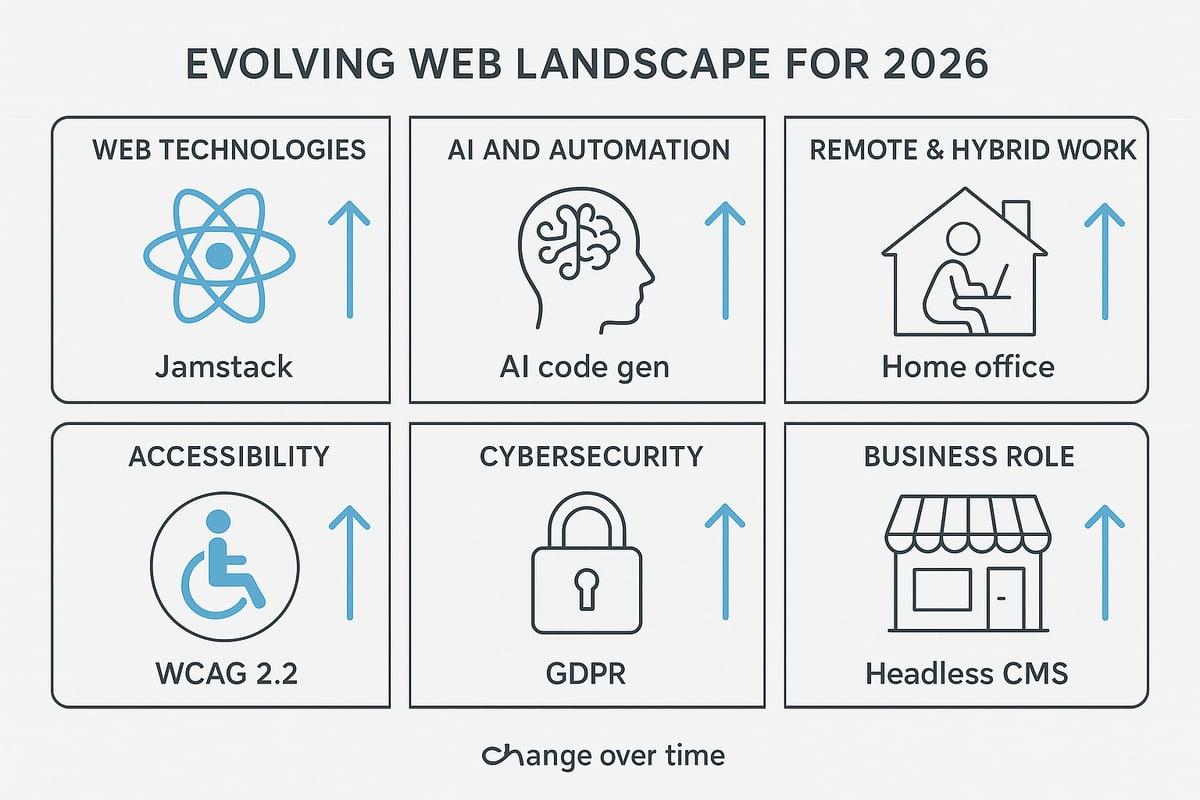
Change in the web industry is relentless. If you want to thrive in work in web, you need to scan the horizon and adapt fast. Let’s break down the key shifts that will define your role, your team, and your next opportunity by 2026.
Shifts in Web Technologies
The tools you use in work in web are transforming at breakneck speed. Modern frameworks like React, Vue, and Svelte are now staples, while the Jamstack and headless CMS are pushing for faster, more scalable builds.
WebAssembly is stepping up for performance-heavy applications, allowing developers to run code at near-native speeds. Progressive Web Apps (PWAs) are bridging the gap between websites and native mobile experiences, making web products feel slick and app-like.
Major UK retailers are already moving to headless commerce platforms for more control and agility. The message is clear: if you want to stay relevant in work in web, you must get hands-on with these new stacks.
Table: Old vs New Web Technologies
| 2016 Approach | 2026 Approach |
|---|---|
| Monolithic CMS | Headless CMS, Jamstack |
| Vanilla JS/jQuery | React, Vue, Svelte |
| PHP/ASP.NET | Node.js, WebAssembly |
The Impact of AI and Automation
AI is not just a buzzword in work in web, it is a daily reality. Tools like ChatGPT and GitHub Copilot are generating code, running tests, and even personalising user experiences with shocking speed.
Automation is streamlining everything from deployment to maintenance, freeing up your time for creative problem-solving. If you are curious about how AI will shape your future, check out AI’s impact on web work for real-world examples.
The upshot? Manual coding hours are shrinking, and AI-powered workflows are becoming the norm. Staying competitive in work in web means embracing these changes, not fearing them.
Remote and Hybrid Work Becoming the Norm
The pandemic accelerated a shift that is here to stay: remote and hybrid models now dominate work in web. In the UK, 85% of digital roles offer flexible options according to Randstad.
Collaboration tools like Slack, Zoom, and Miro are standard, and asynchronous workflows let teams work across time zones. Daily stand-ups and transparent documentation are replacing old-school, office-based routines.
If you are building your career in work in web, mastering remote teamwork is just as vital as your coding chops.
Demand for Inclusive and Accessible Web Experiences
Accessibility is non-negotiable in work in web. With WCAG 2.2 compliance now a legal and ethical requirement, every web professional must prioritise inclusion.
The NHS and UK public sector are leading by example, setting the bar for digital accessibility. This means semantic HTML, ARIA roles, keyboard navigation, and design for neurodiversity are now baseline skills.
By championing accessibility, you not only open up your sites to more users but also future-proof your role in work in web.
Cybersecurity and Data Privacy Pressures
Security is front and centre for anyone in work in web. With tighter regulations like GDPR and ePrivacy, companies face mounting pressure to build secure-by-design from the start.
Demand for web security specialists has surged in the wake of high-profile data breaches since 2023. Secure coding, HTTPS, robust authentication, and data protection are now key expectations.
If you want to stand out in work in web, adding cybersecurity skills or certifications to your toolkit is a smart move.
The Expanding Role of Web in Business
By 2026, work in web is not a side project, it is the backbone of business. The web is the primary channel for sales, marketing, and customer service across nearly every sector.
SMEs and traditional businesses are fast-tracking digital adoption, often leapfrogging old tech in favour of modern web platforms. This shift is creating new opportunities for web professionals to drive growth, shape strategy, and deliver measurable results.
The future of work in web is business-critical, making your skills more valuable than ever.
Core Technical Skills for Web Professionals in 2026
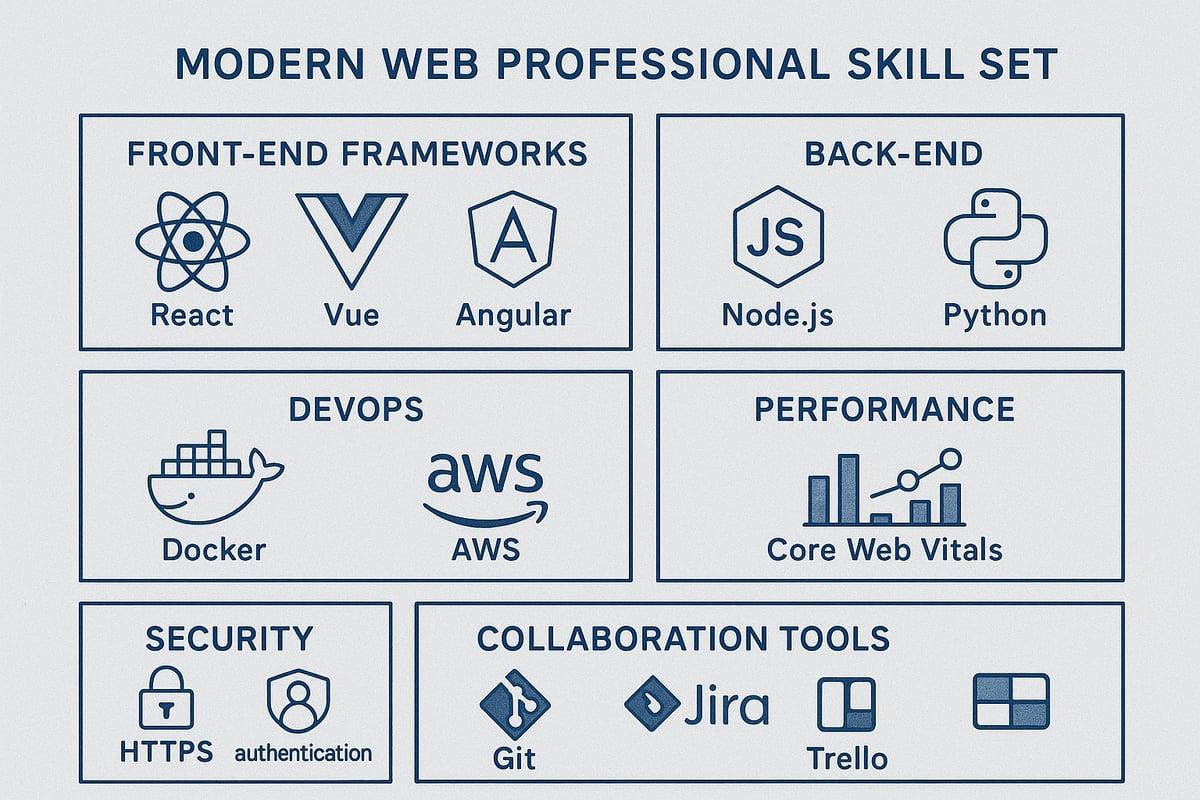
Staying relevant in work in web means mastering a toolkit that keeps evolving. The digital landscape is moving fast, and the right blend of technical skills will set you apart in 2026. Let us break down the essentials for every web professional.
Modern Front-End Development
Front-end skills are the foundation of work in web. By 2026, employers will expect you to be fluent in JavaScript (ES2026+), TypeScript, and frameworks like React, Vue, or Angular. Responsive design is non-negotiable, with CSS Grid, Flexbox, and advanced animations bringing interfaces to life.
Live coding challenges in React are now the norm for agency interviews. To stand out, build projects that showcase your ability to create dynamic, mobile-first experiences.
Here is a quick example of a responsive layout using CSS Grid:
.container {
  display: grid;
  grid-template-columns: repeat(auto-fit, minmax(300px, 1fr));
  gap: 2rem;
}
For more insights on practical approaches, see web development best practices.
Back-End & Full-Stack Capabilities
If you want a future-proof role in work in web, back-end and full-stack skills are crucial. Node.js and Python (with Django or Flask) are in high demand. Serverless architectures are gaining traction, letting you deploy scalable apps quickly.
API-first development is now standard. You will need to build and integrate REST and GraphQL APIs. E-commerce platforms, for instance, expect seamless API connections to support omnichannel sales.
A typical API request in JavaScript might look like this:
fetch('/api/products')
  .then(response => response.json())
  .then(data => console.log(data));
Employers value developers who can handle both client and server logic with ease.
DevOps and Cloud Fundamentals
DevOps is now a core part of work in web. You will need to automate testing, deployment, and monitoring using CI/CD pipelines. Tools like Docker and Kubernetes help package and manage apps, while AWS, Azure, or GCP provide scalable cloud hosting.
Understanding how to containerise an app is a must. Here is a simple Dockerfile example:
FROM node:18
WORKDIR /app
COPY . .
RUN npm install
CMD ["npm", "start"]
Learning to set up automated builds and deployments will give you a competitive edge.
Web Performance Optimisation
Speed is everything in work in web. Seventy percent of users abandon sites that load in over three seconds. You need to master Core Web Vitals, lazy loading, and efficient asset management.
Common techniques include image optimisation, code splitting, and using CDNs. Here is a quick checklist:
- Use next-gen image formats (WebP, AVIF)
- Minify CSS and JavaScript
- Implement lazy loading for images and videos
- Optimise third-party scripts
Regularly measure performance with tools like Lighthouse to keep your sites lightning-fast.
Security Best Practices
Security is a non-negotiable aspect of work in web. With stricter regulations and frequent data breaches, secure coding is a top priority. Always use HTTPS, validate inputs, and follow authentication best practices.
Web developers with cybersecurity certifications are in high demand. Make sure you are up to date with GDPR and ePrivacy obligations.
A secure login flow might include:
- Password hashing and salting
- Multi-factor authentication
- Session management
Build with security in mind from day one.
Accessibility and Inclusive Design
Creating accessible sites is now a core expectation in work in web. Implement ARIA roles, semantic HTML, and ensure full keyboard navigation. Adapt your designs for users with a variety of needs, including neurodiversity and physical disabilities.
Follow WCAG 2.2 guidelines and regularly test with screen readers. Inclusive design is not just ethical, it is now often a legal requirement, especially for public sector projects.
Simple accessibility checklist:
- Use meaningful alt text
- Ensure high colour contrast
- Label all form fields
- Provide skip-to-content links
Accessible sites reach wider audiences and build trust.
Version Control and Collaboration
Collaboration is central to work in web, especially with remote and hybrid teams. Advanced Git workflows, code reviews, and tools like Jira and Trello are standard.
A typical feature branch workflow:
git checkout -b feature/new-component
# Make changes
git add .
git commit -m "Add new component"
git push origin feature/new-component
Document your work clearly and get comfortable with asynchronous updates. Strong version control habits keep projects on track and teams productive.
Essential Soft Skills and Professional Qualities
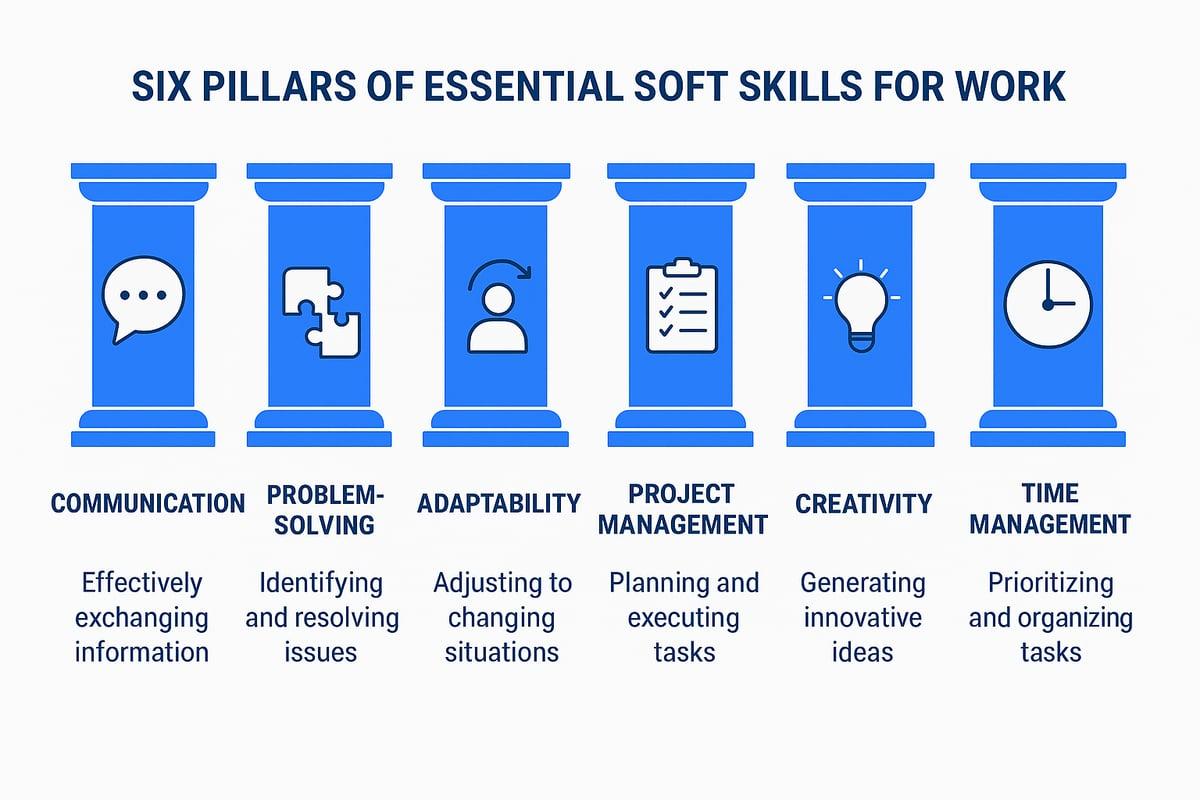
Success in work in web is no longer just about technical know-how. The digital industry now prizes adaptable, well-rounded professionals who can communicate, solve problems, and keep pace with rapid change. If you want to stand out in work in web, mastering these essential soft skills and qualities is just as important as learning the latest framework.
Effective Communication and Collaboration
Remote and hybrid teams are now the backbone of work in web. Clear communication—written and verbal—ensures projects run smoothly, even when stakeholders are in different time zones.
- Daily stand-ups and asynchronous updates are now standard.
- Documenting code and decisions helps everyone stay aligned.
- Listening and empathy build trust within diverse teams.
Working effectively with designers, marketers, and clients is a must. The strongest communicators in work in web bridge gaps, prevent misunderstandings, and drive better outcomes.
Problem-Solving and Critical Thinking
No two projects are the same in work in web. You’ll often face unique challenges, from debugging a stubborn checkout issue to streamlining a complex user journey.
- Analytical thinking helps spot patterns and diagnose root causes.
- Creative problem-solvers test multiple solutions before settling.
- Iterative improvement drives higher conversion rates and user satisfaction.
Employers value those who can break down problems and propose clear, practical fixes that make a direct impact.
Adaptability and Continuous Learning
Change is constant in work in web. New tools, languages, and user demands appear almost overnight.
- Self-directed upskilling keeps you ahead of the curve.
- Openness to feedback and new ideas is crucial.
- 60% of employers now value ongoing learning over formal qualifications.
Adaptable professionals are quick to learn, unafraid of switching contexts, and always curious about what’s next.
Project Management and Agile Methodologies
Delivering successful work in web projects needs more than coding. Agile frameworks like Scrum and Kanban help teams prioritise, iterate, and deliver value quickly.
- Sprint planning breaks work into manageable chunks.
- Regular retrospectives encourage reflection and improvement.
- SMEs use agile to roll out frequent website updates.
Being organised and proactive with deadlines ensures nothing falls through the cracks.
Creativity and User-Centric Mindset
Great work in web is built for people, not just machines. Creativity and empathy drive user-friendly solutions.
- Prototyping and testing ideas with real users refine designs.
- A/B testing boosts conversion rates by focusing on what works.
- Staying on top of web design and development trends inspires innovation and keeps your work relevant.
Designers and developers who put users first create products that win loyalty and deliver results.
Time Management and Self-Motivation
Juggling multiple projects in remote settings is standard for work in web. Strong time management and self-motivation keep you productive.
- Set clear priorities and realistic goals.
- Use productivity apps to track tasks and deadlines.
- Balance solo focus with team collaboration.
Those who manage their energy and workflow avoid burnout and consistently deliver high-quality results.
Emerging Roles and Career Paths in Web
The world of work in web is shifting fast, opening up a range of exciting new roles and career paths for those ready to adapt. As digital transformation continues, employers are searching for talent that blends technical know-how with a strategic mindset.
New and Evolving Job Titles
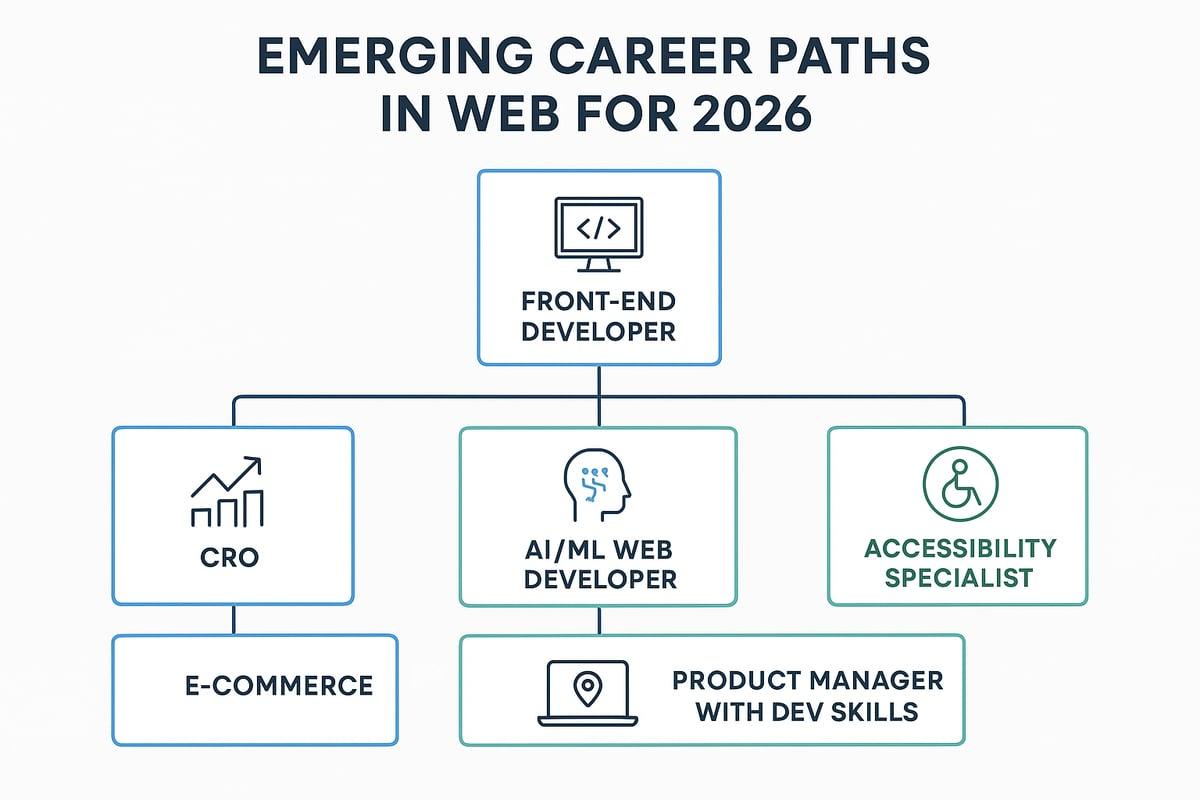
The demand for fresh job titles is on the rise as the nature of work in web evolves. Beyond the classic Front-End or Back-End Developer, you’ll now see roles like Full-Stack Engineer, DevOps Engineer, AI/ML Web Developer, and Conversational UI Designer becoming mainstream.
Employers are also seeking UX/UI Designers, Accessibility Specialists, and Web Performance Engineers to meet the demands of modern users. For a deeper dive into these trends, check out Web Development Trends for 2026.
The Rise of Specialist Roles
Specialisation is now a major trend in work in web. Businesses want experts who can focus on results in specific areas. Conversion Rate Optimisation (CRO) experts and e-commerce specialists are in high demand, especially as retailers accelerate online growth.
For example, many companies now hire dedicated Shopify developers to build and optimise their online stores. These roles require a blend of technical and business skills.
Key Specialist Roles:
- CRO Specialist
- Shopify Developer
- Web Accessibility Consultant
- SEO Analyst
Hybrid and Interdisciplinary Positions
Hybrid roles are gaining traction, pulling from both technical and creative pools. Product managers with a background in web development, or marketers with coding skills, are highly valued.
Digital agencies increasingly look for “T-shaped” professionals. These individuals have broad knowledge across disciplines, but deep expertise in one area. This approach makes teams more agile and responsive to change in work in web.
Freelance, Contract, and Portfolio Careers
The gig economy is reshaping how people approach work in web. According to Randstad, 40% of UK web professionals now freelance or work on contracts.
Freelance roles offer flexibility and variety, from short-term projects to long-term partnerships. A strong online portfolio is essential for showcasing skills and winning new business.
Freelance Career Tips:
- Build a diverse portfolio on platforms like GitHub or CodePen
- Network in online communities and local meetups
- Stay updated with the latest web trends
Upskilling Pathways and Certifications
Continuous learning is the backbone of a successful work in web career. Employers value practical skills, often prioritising real-world portfolios over traditional degrees.
Popular certifications include AWS, Google Cloud, Accessibility, and Agile/Scrum. These credentials help professionals stand out and prove their expertise.
| Role | Core Skills Required | Typical Certification |
|---|---|---|
| Front-End Developer | JavaScript, React, CSS | none required, but helpful |
| AI/ML Web Developer | Python, AI frameworks | Google Cloud, AWS |
| Accessibility Specialist | WCAG, ARIA, semantic HTML | Accessibility certs |
| DevOps Engineer | CI/CD, Docker, Kubernetes | AWS, Azure |
| CRO Specialist | Analytics, A/B testing, UX | Agile/Scrum |
The landscape of work in web is broadening, offering more choice and flexibility than ever before. Whether you specialise, go hybrid, or build a freelance career, the future rewards those who keep learning and adapting.
Key Trends Shaping the Future of Web Work
Staying ahead in work in web means understanding the trends that are reshaping the industry. Whether you are coding, designing, or leading projects, these shifts will define your future opportunities.
AI-Driven Development and Content Creation
AI continues to transform work in web at every level. From code generation to automated design and content, AI tools are speeding up production and reducing repetitive tasks. Agencies now use AI for rapid prototyping, while developers rely on AI-driven code reviews.
If you want to stay ahead, understanding AI’s Role in Web Development will be vital. Expect more jobs focused on AI tool integration, and a growing need for critical thinking to manage automated workflows.
Voice, AR/VR, and Multimodal Experiences
The future of work in web includes designing for voice assistants, AR experiences, and immersive 3D interfaces. Voice search is becoming standard, and retailers are using AR for virtual product try-ons. Developers and designers must now think beyond screens.
Building multimodal sites means learning new frameworks and focusing on accessibility. Expect more team roles dedicated to voice UX, AR prototyping, and testing across devices.
Personalisation and Data-Driven Design
Personalisation is a game-changer for work in web. Companies are using analytics and user data to tailor experiences and boost engagement. Industry data shows that personalised sites can achieve up to 20% higher conversion rates.
Key skills here include data analysis, A/B testing, and privacy-aware design. Teams are increasingly collaborating with data specialists to create dynamic, user-centred journeys.
Conversion Rate Impact Table
| Approach | Conversion Rate Increase |
|---|---|
| Standard Website | 0% (baseline) |
| Personalised Design | +20% |
Privacy-First and Ethical Web Practices
Privacy is now a core pillar of work in web. With GDPR and stricter regulations, ethical data use is a must. Teams are moving to privacy-by-design models, using cookie-less tracking and server-side analytics.
Users expect transparency and control over their data. Web professionals must balance personalisation with respect for privacy, building trust through clear consent and ethical choices.
Sustainability and Green Web Development
Sustainability is fast becoming a requirement in work in web. Businesses are seeking eco-friendly hosting, energy-efficient code, and green certifications. B Corps and public sector clients in the UK now require sustainability reporting for web projects.
Developers are learning to measure carbon footprints, while designers focus on low-impact visuals. The shift to green web practices is shaping project priorities and client expectations.
| Sustainability Initiative | Impact on Web Work |
|---|---|
| Eco Hosting | Lower emissions |
| Efficient Code | Faster sites, less energy |
The Ongoing Importance of SEO and Discoverability
Despite new technology, SEO remains essential for work in web. AI-driven search, like Google SGE and ChatGPT plugins, is changing how users find content. Businesses want to appear in "zero-click" results, so optimising for new algorithms is key.
SEO specialists now need to understand both technical and content strategies. Staying current with search trends will keep your sites visible and competitive.
Diversity, Equity, and Inclusion in Web Teams
Diversity is shaping the future of work in web. Teams with varied backgrounds deliver more innovative solutions and create more inclusive designs. Companies are focusing on hiring for different perspectives and lived experiences.
Inclusive teams are better at solving complex challenges and building products that serve everyone. Investing in diversity is both an ethical choice and a business advantage.
How to Future-Proof Your Web Career: Practical Steps
Staying ahead in work in web means being ready for anything digital throws at you. The world of web is evolving rapidly, so the ability to adapt is now the most valuable asset you can have.
Build an Adaptable Skill Set
To thrive in work in web, blend your technical skills with soft skills and business understanding. Don’t just stick with what you know—combine front-end coding, UX, and analytics. For example, if you’re a developer, learning the basics of design or data analysis will make you much more marketable.
Here's a quick table showing how different skills can stack up:
| Skill Type | Examples | Why It Matters |
|---|---|---|
| Technical | React, Python, APIs | Essential for coding |
| Soft Skills | Communication, teamwork | Key for remote work |
| Business | Analytics, conversion strategy | Drives project value |
Invest in Continuous Learning
The most successful people in work in web are always learning. Employers value candidates who seek out new knowledge, whether through free online courses, short bootcamps, or micro-credentials. According to Randstad, 75% of top UK employers support ongoing training. Set aside time each week to upskill—consistency beats cramming.
Create and Curate a Strong Online Portfolio
Your portfolio is your digital handshake. It should showcase your best work in web, real projects, and code samples. Use platforms like GitHub, CodePen, or a personal site. Want a tip? Make your portfolio interactive. For example, use a live demo link to show off your latest project in action.
Network and Engage with the Web Community
Web is a team sport. Join local meetups, online forums, or hackathons. The more connections you make, the more opportunities you’ll find in work in web. Contributing to open-source or helping others in Slack channels can put your name on the map.
Stay Informed on Industry Trends
Subscribe to blogs, newsletters, and podcasts. Following trusted sources helps you anticipate shifts in the skills required for work in web. Resources like Smashing Magazine and CSS-Tricks are excellent for keeping your finger on the pulse.
Embrace Remote and Flexible Work Models
Remote work in web is here to stay. Set up a comfortable, efficient home office and master tools like Slack, Zoom, and Trello. Learn to manage your time and communicate clearly when you’re not in the same room as your team.
Prioritise Wellbeing and Work-Life Balance
The pace of work in web can be intense. To avoid burnout, set boundaries and take regular breaks. Use techniques like the Pomodoro method to manage tasks and protect your focus.
For those keen to stand out, developing expertise in areas like website performance is a smart move. Check out these website optimisation strategies to sharpen a skill that’s always in demand.
By following these steps, you’ll not only keep up with changes in work in web but position yourself as someone who leads the way. Remember, adaptability and continuous growth are your best defences against future uncertainty.
Resources and Next Steps for Aspiring Web Professionals
Ready to take your next step in work in web? The right resources and a clear plan make all the difference. From learning platforms to networking groups, here’s how to level up, stay current, and succeed in this fast-moving field.
Recommended Learning Platforms and Courses
Building skills for work in web starts with quality learning resources. Top platforms offer hands-on courses in modern frameworks, programming languages, and accessibility:
| Platform | Best For | Example Course |
|---|---|---|
| freeCodeCamp | Free, project-based learning | Responsive Web Design |
| Coursera | University-backed certificates | Python for Everybody |
| Udemy | Affordable, wide selection | React – The Complete Guide |
| Codecademy | Interactive coding practice | Learn JavaScript |
Choose a course aligned with your goals, and don’t forget to explore accessibility and performance modules.
Industry Certifications and Professional Bodies
Certifications validate your expertise and boost your CV. For work in web, consider:
- AWS Certified Developer or Google Cloud credentials
- Accessibility certifications (e.g., IAAP CPACC)
- Agile or Scrum Master certificates
- Membership with BCS (British Computer Society) or CIW
These show employers you’re committed to high standards and continuous growth.
Job Search and Career Support Resources
Finding the right role in work in web means knowing where to look and how to stand out. Start with:
- Job boards: Indeed, LinkedIn, Technojobs
- Specialist recruiters focused on digital roles
- Portfolio reviews and mock interviews for preparation
Keep your portfolio updated and tailor your CV for each application.
Community Groups and Networking Opportunities
Your network can unlock new paths in work in web. Join:
- Local meetups and coding bootcamps
- Slack channels for web professionals
- Groups like Women in Tech and Codebar
Engaging with peers opens doors to collaboration, jobs, and fresh ideas.
Keeping Up with Trends and Best Practices
Web evolves rapidly. To stay ahead in work in web, subscribe to:
- Newsletters: Smashing Magazine, CSS-Tricks
- Podcasts and annual industry reports
- Articles on future trends, such as AI’s Impact on Web Development Jobs, to understand the tech shaping tomorrow’s roles
Regularly learning from experts helps you adapt quickly.
Building a Personal Development Plan
Set clear career goals for work in web. Track your progress using:
- SMART objectives (Specific, Measurable, Achievable, Relevant, Time-bound)
- Regular self-assessment and skill audits
- Seeking mentorship from experienced professionals
A personal plan keeps you focused and motivated as the industry shifts.
Useful Tools for Web Professionals
Equip yourself for success in work in web with these essentials:
- Code editors: VS Code, Sublime Text
- Design tools: Figma, Adobe XD
- Collaboration: Jira, Trello, Slack
- Productivity: Notion, Pomodoro timers
Experiment to find what fits your workflow and helps you deliver great results.
Let’s be honest the web world never stands still Whether you’re looking to sharpen your skills or future proof your career you need more than a list of trends—you need a plan that actually gets results That’s exactly what I help with at Marketing XP If you want to talk through your next steps or work out where you should focus for the best ROI let’s have a proper chat I’ll give you honest feedback and clear direction—no fluff, just practical advice tailored to your goals Grab your Get free 45 min consultation and let’s make your web skills work harder for you
Keep reading
More on web design

AI UI Kits
AI-driven design tools are evolving at breakneck speed, and the demand for rapid, future-ready UI development has never been higher. As digital products race to innovate, ai ui kits are stepping in to revolutionise how designers and developers work.

Marketing Designers
2026 is a turning point for marketing designers. The industry is more tech-driven, competitive, and complex than ever. Standing out now takes more than a great eye for colour or layout.
Choosing a Tech Stack for Web Development
The difference between project success and failure in 2026 often comes down to your core technology choices. As web development moves faster than ever, picking the right tools shapes how your site performs, scales, and how much it costs you in the long run.
Want this done rather than read?
Tell me what you sell and what isn't working. The audit that starts every engagement is free, and you keep the roadmap either way.