
AI · 17 min read
Keyword AI Tools
Struggling to find the right keywords in a sea of AI-powered SEO tools? With so many options, it’s easy to feel overwhelmed and unsure where to start. The rapid growth of keyword ai tools has left digital marketers and business owners searching for clarity.
By Matt Harrison · Published · Updated · Part of the guides behind SEO & Google Ads
Struggling to find the right keywords in a sea of AI-powered SEO tools? With so many options, it’s easy to feel overwhelmed and unsure where to start. The rapid growth of keyword ai tools has left digital marketers and business owners searching for clarity.
As search engine algorithms become more advanced, mastering AI-driven keyword research is now essential for SEO success in 2026. In this guide, you’ll discover actionable insights and honest comparisons to help you choose the best-fit solution for your needs.
Get ready to explore the top 8 keyword ai tools that can transform your SEO strategy. We’ll break down features, pricing, pros and cons, and real-world examples, so you can make confident decisions for your business.
Why AI-Powered Keyword Tools Are Essential for SEO in 2026
Struggling to keep pace with the changing SEO landscape? You are not alone. Search engines now use AI at their core, and the sheer volume of data is overwhelming. This is where keyword ai tools step in, making sense of the chaos and offering clarity for marketers who want to win in 2026.
Traditional vs. AI-Powered Keyword Research
In the past, keyword research was slow and manual. Marketers had to sift through static lists, hoping to spot trends before their competitors. Traditional tools offered limited data and missed out on hidden opportunities.
Now, keyword ai tools change the game. They process massive datasets in seconds, uncovering long-tail keywords and trends that manual research simply misses. AI-powered tools also provide smarter recommendations by understanding context and user intent.
| Feature | Traditional Tools | Keyword AI Tools |
|---|---|---|
| Data Freshness | Static | Real-time |
| Speed | Slow | Instant |
| Trend Analysis | Limited | Advanced, predictive |
| Semantic Clustering | Manual | Automated, AI-driven |
| Search Intent | Basic | Deep, contextual |
This shift is not just about speed, it is about unlocking deeper insights for better SEO performance.
Real-Time Data, Trends, and Predictive Insights
One of the main strengths of keyword ai tools is real-time access to data. The search landscape changes daily, and relying on outdated information can cost you rankings.
AI tools pull in the latest keyword trends, analyse search patterns, and even predict which keywords will rise in popularity. This predictive edge helps you stay ahead of competitors and adapt your strategy quickly.
- Instantly spot trending keywords before they go mainstream.
- Adjust your content to match evolving search behaviour.
- Identify seasonal or emerging topics for proactive content planning.
With keyword ai tools, your SEO is no longer reactive, it becomes proactive and data-driven.
Search Intent and Semantic Clustering
Understanding why people search is just as important as what they search for. Keyword ai tools excel at analysing search intent, grouping keywords into meaningful clusters, and mapping out topics for content authority.
Semantic clustering means your content covers all relevant angles, boosting your chances of ranking for multiple related terms. AI-powered intent analysis ensures you match your content to what users really want, not just what they type.
Brands that embraced these features in 2025 saw content rank up to 40% faster compared to those using outdated methods. This is proof that keyword ai tools are not just a trend, but a necessity for modern SEO.
Multi-Platform Targeting, Voice Search, and Industry Stats
SEO is no longer just about Google. People search on YouTube, Amazon, and through voice assistants. Keyword ai tools help you target the right keywords across platforms, adapting to new search habits and AI-generated answers.
Voice search is growing, and AI tools can analyse how people phrase spoken queries, helping you optimise content for natural language. This multi-platform approach is vital as search becomes more fragmented.
According to AI’s Impact on Keyword Research, over 70% of marketers now use AI tools for keyword research, and brands using AI see faster, more accurate results. The message is clear: to succeed in 2026, keyword ai tools are no longer optional, they are essential.
How to Choose the Right Keyword AI Tool for Your Business
Selecting the right keyword ai tools can feel like navigating a maze. Every business has different needs, so it is crucial to start by identifying what matters most for your goals. Do you need lightning-fast keyword generation, advanced competitor insights, or a tool that integrates with your existing workflow?
Look for tools that offer reliable data accuracy and up-to-date keyword sources. Freshness of data is critical, especially as search trends change rapidly. A clean, intuitive user interface can make or break your experience, especially if you are new to keyword ai tools or work with a larger team.
What Matters Most When Choosing Keyword AI Tools?
Before you commit to any tool, compare the pricing models. Some keyword ai tools offer monthly subscriptions, while others provide freemium or pay as you go options. Here is a quick table to help you weigh up your choices:
| Pricing Model | Best For | Example Tools |
|---|---|---|
| Subscription | Agencies, large businesses | Semrush, Ahrefs |
| Freemium | Startups, individuals | SEO.ai, Moz Pro |
| Pay as You Go | Occasional users | Select tools |
Scalability is essential. A solo entrepreneur has very different requirements from a large ecommerce brand. Think about whether the tool can grow with you, or if you will outgrow its features as your business expands.
Pricing and Scalability: Fit for Your Business
The right keyword ai tools should offer more than just search volume data. Look for features like keyword clustering, intent analysis, competitor research, and SERP tracking. These help you dig deeper and uncover hidden opportunities.
Trial periods and free versions are invaluable. They let you test drive the tool, explore its interface, and see if it matches your workflow. For a hands-on look at how AI-powered tools can enhance your keyword strategy, check out this guide to AI SEO strategies and analysis.
Core Features: Dig Deeper Than the Basics
Support and onboarding resources matter, especially if your team is new to keyword ai tools. Good training and responsive support can dramatically speed up adoption and help you get the most value for your investment.
Finally, read up on competitor insights and reviews. Tools with the largest keyword databases and unique AI capabilities often stand out, but do not overlook usability and support. The best choice is the one that fits your needs now and can evolve with your business.
Support, Training, and Making the Right Choice
Top 8 Keyword AI Tools to Boost Your SEO in 2026
Finding the right keyword ai tools can make or break your SEO strategy in 2026. With so many options, it’s tough to know which tool will actually deliver results. Recent research found that 86% of SEO professionals now use keyword ai tools as a core part of their workflow, and the market is growing fast (AI Integration in Search Statistics). Let’s break down the top 8 keyword ai tools set to dominate this year, helping you find the perfect match for your business.
SEO.ai
SEO.ai stands out as one of the most accessible keyword ai tools for both beginners and seasoned pros. Their free keyword generator is lightning-fast, letting you brainstorm ideas in seconds with no login needed. If you want advanced features, their premium plans unlock topic clustering, competitor keyword analysis, intent checking, and even SERP simulations.
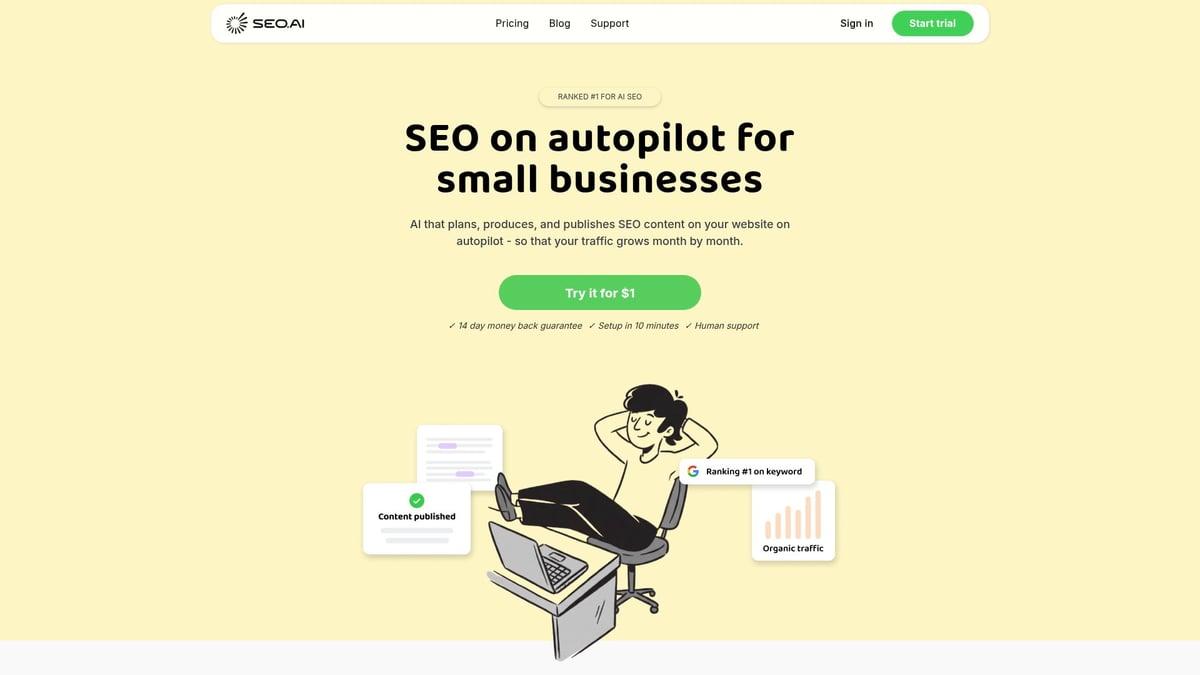
One of SEO.ai’s biggest draws is how quickly it adapts to the latest Google updates. Updates come regularly, so your keyword research always stays relevant. The interface is clean and intuitive, making it easy to dive straight in whether you’re a solo content creator or managing a team.
Pros include a broad suite of keyword ai tools and a user-friendly design. However, some advanced features are only available on paid plans, and the range of tools might feel overwhelming at first for total beginners.
For example, a retailer can use the AI Keyword Tool to generate hundreds of long-tail keywords instantly, saving hours of manual research and giving them an edge in crowded markets.
Surfer SEO
Surfer SEO is a favourite among content writers and agencies who want real-time optimisation. This tool’s main draw is its content editor, which scores your writing for SEO as you type. The keyword ai tools built into Surfer SEO offer real-time suggestions, topical maps, and SERP analysis, making optimisation a breeze.
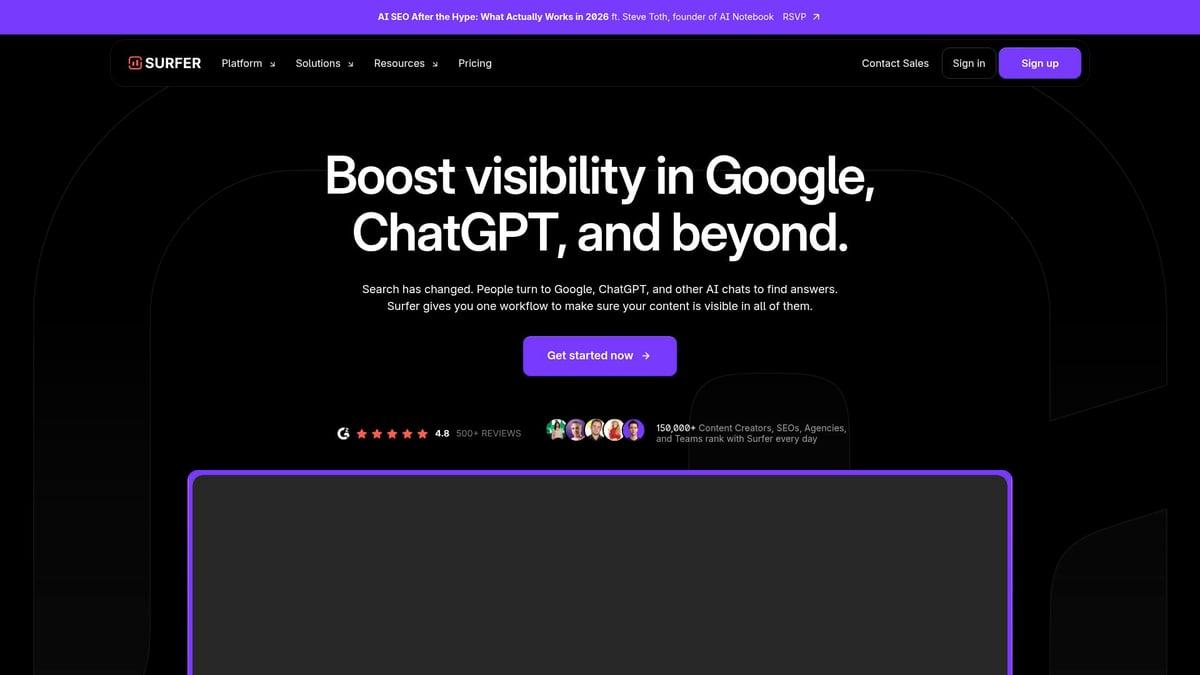
The workflow integration is seamless. You get instant feedback on keyword usage, structure, and topic coverage, helping you stay on track with every article. Surfer SEO is perfect for those who want actionable, in-the-moment advice rather than deep-dive research.
Pros include ease of use, strong content optimisation, and real-time feedback. On the downside, Surfer SEO’s keyword ai tools are less robust for comprehensive keyword research compared to all-in-one suites. Still, it’s ideal for freelancers and agencies focused on content quality.
Picture a writer drafting a blog post and getting instant keyword suggestions and SEO scores, ensuring every piece is primed to rank before it’s even published.
Ahrefs
Ahrefs is a powerhouse in the world of keyword ai tools, especially for those handling multi-channel SEO. Its keyword explorer covers Google, YouTube, and Amazon, offering AI-powered suggestions and intent analysis across platforms. The competitor research is second to none, letting you see exactly what’s driving your rivals’ traffic.
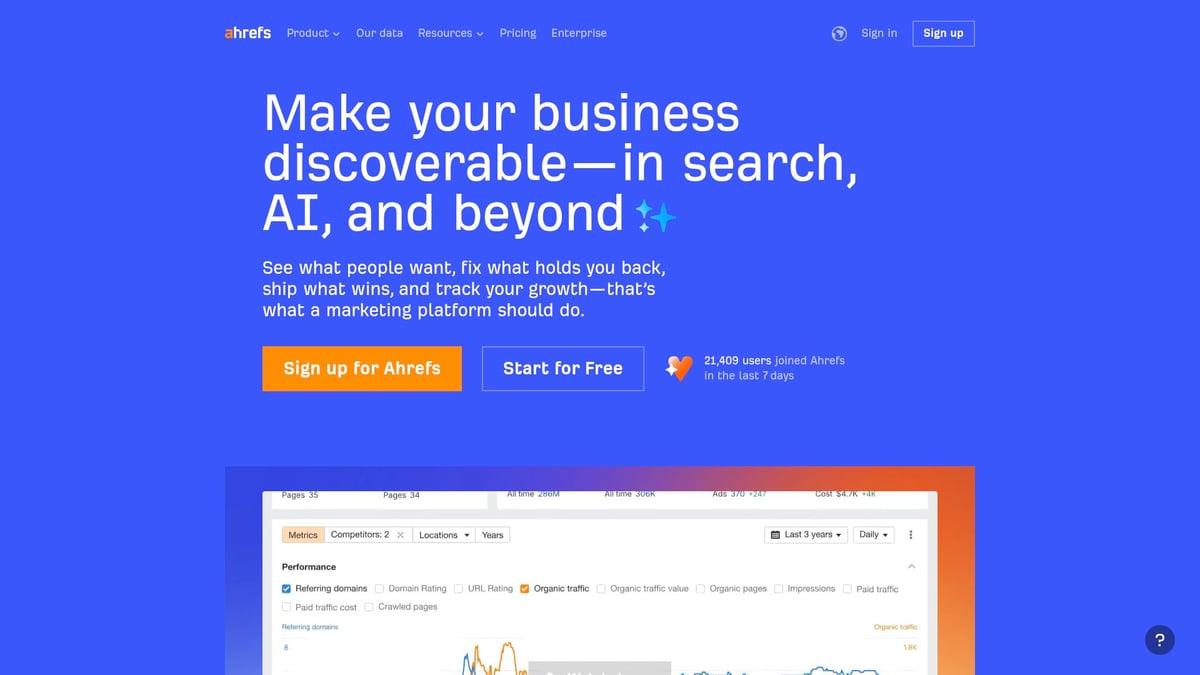
With a massive keyword database, Ahrefs delivers comprehensive insights, frequent updates, and detailed tracking. The interface is geared towards SEO strategists and agencies who need depth and flexibility in their keyword ai tools.
On the flip side, Ahrefs comes at a higher price point, and its scope might be overkill for smaller businesses or solopreneurs. But for those expanding into YouTube or Amazon, the cross-channel data is invaluable.
For example, digital marketers can easily compare keyword performance across platforms, helping them prioritise which channels to target for maximum ROI.
WriterZen
WriterZen brings advanced keyword ai tools to smaller teams and bloggers without breaking the bank. Its strength lies in AI-generated keyword clusters and topic discovery, making it a go-to for those building topical authority and pillar content strategies.
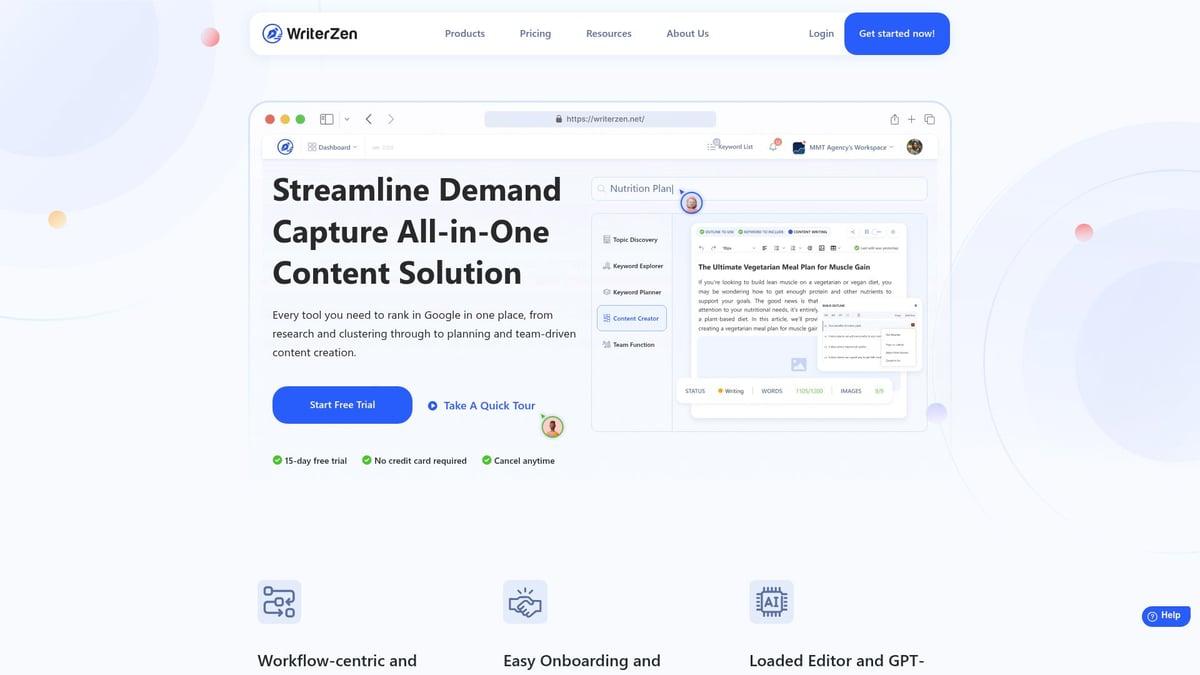
The interface is intuitive, and the pricing starts low, making it accessible for startups and content teams. With features like plagiarism checking and content briefs, WriterZen covers the essentials of keyword research and content planning.
Pros: affordable, user-friendly, and excellent for keyword clustering. The main cons are that some advanced features are locked behind higher plans, and the keyword database isn’t as vast as the industry giants.
Imagine a small business owner using WriterZen’s keyword ai tools to map out an entire content calendar, ensuring every article supports the site’s authority and search visibility.
Moz Pro
Moz Pro offers a user-friendly entry into keyword ai tools, especially for those new to SEO or running small to mid-sized businesses. The platform’s AI-powered keyword explorer, domain snapshots, and SERP tracking provide actionable insights without overwhelming the user.
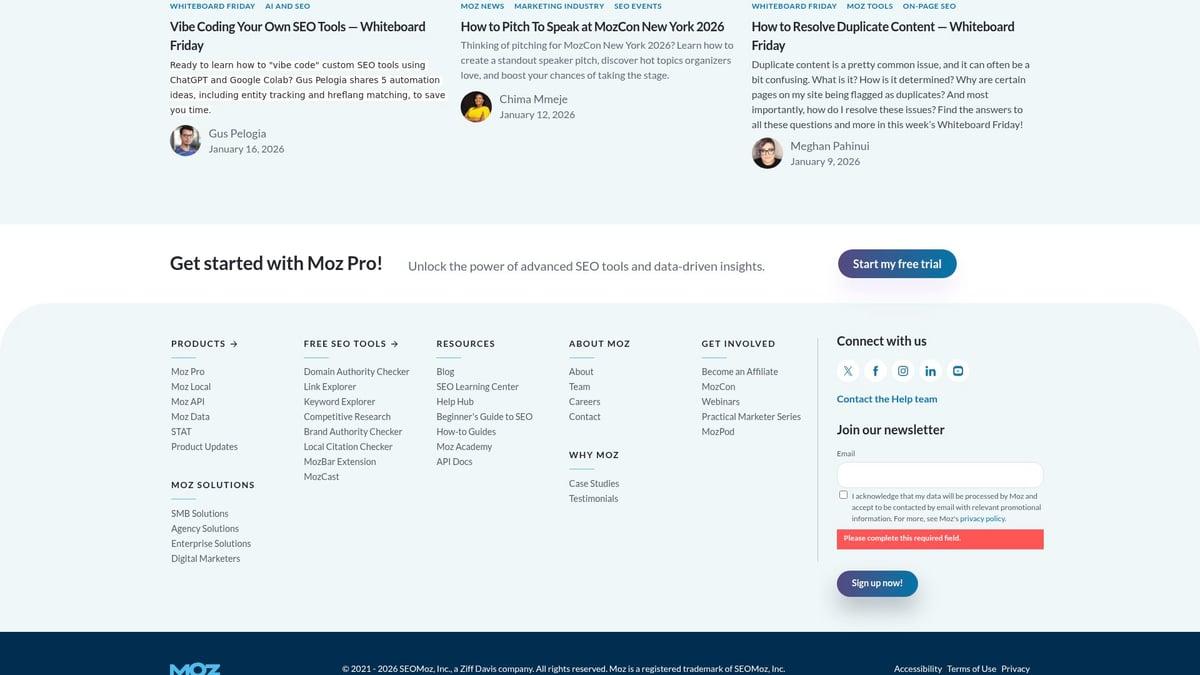
Its ethical approach to AI integration and focus on search intent make Moz Pro a reliable choice for those who value transparency and simplicity. The intuitive UI and robust intent metrics help users quickly identify the best keyword opportunities.
Pros are the affordable entry point and straightforward interface, while the cons include a smaller keyword database and fewer advanced features than some competitors.
For example, SMEs can use Moz Pro’s keyword ai tools to uncover niche-specific opportunities and track ranking progress, all from a single dashboard.
Semrush
Semrush is a true all-in-one suite, with keyword ai tools that cover everything from research and content optimisation to site audits and backlink analysis. Its AI-driven recommendations personalise your workflow, making it a top pick for agencies and advanced SEO professionals managing multiple projects.
With deep analytics, ongoing updates, and integration across the SEO stack, Semrush empowers users to streamline research, planning, and reporting. The platform’s comprehensive toolkit justifies its higher price tag for those needing advanced capabilities.
On the downside, some features are only available on premium plans, and the learning curve can be steep if you’re new to keyword ai tools.
An agency, for instance, can manage keyword strategies for multiple clients, create optimised content briefs, and track progress with detailed analytics, all within Semrush.
Keyword Generator by SEO.ai
If you need fast, free keyword ai tools, the Keyword Generator by SEO.ai is a brilliant choice. No login is required, and you get instant keyword suggestions with export options, making it perfect for quick brainstorming or building out a content plan on a tight budget.
The tool is super simple to use. Just enter a topic, and you’ll get hundreds of keyword ideas in seconds. It’s especially handy for freelancers, startups, or bloggers testing new ideas.
Pros: totally free, lightning-fast, and easy to navigate. Cons: it lacks advanced filtering, clustering, and in-depth research options found in premium keyword ai tools.
For example, a new blogger can use this tool to generate a list of niche keyword ideas, jumpstarting their SEO journey without any upfront cost.
Marketing XP
Marketing XP takes a unique approach among keyword ai tools by combining hands-on SEO strategy, AI-driven keyword research, website optimisation, and content creation all in one service. Their flat-rate packages are tailored for SMEs, especially ecommerce and local service businesses in the UK.
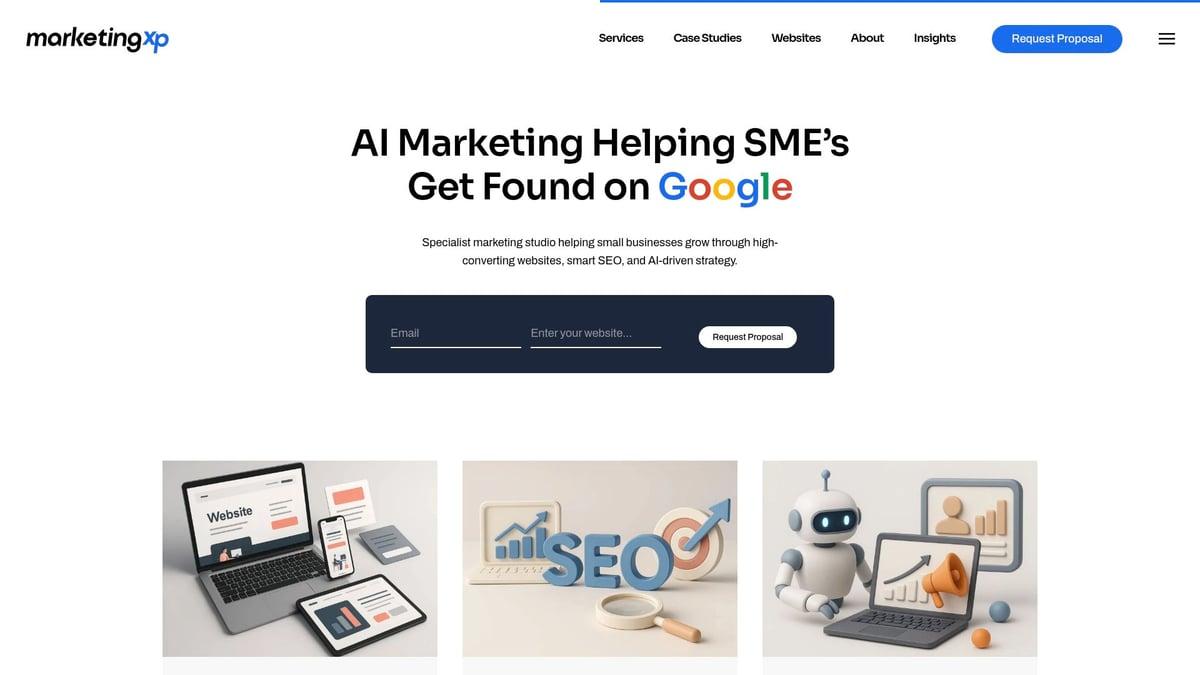
What sets Marketing XP apart is its focus on both strategy and execution, not just software. You get a dedicated expert to implement keyword ai tools, generate leads, and drive sales, with transparent pricing and strong Shopify expertise.
The main drawback is that services are limited to UK-based or English-speaking clients, and it’s not a standalone SaaS product. But for SMEs wanting a personalised, conversion-focused approach, it’s a solid pick.
Picture a local business gaining a dedicated SEO and AI specialist who manages keyword research, content, and optimisation for measurable growth.
Quick Comparison Table
| Tool | Pricing | Best For | Unique Feature | Free Version |
|---|---|---|---|---|
| SEO.ai | Free/Paid | All levels | Fast keyword generator | Yes |
| Surfer SEO | From $89/mo | Writers, Agencies | Real-time SEO scoring | No |
| Ahrefs | From $99/mo | Agencies, Marketers | Multi-channel research | Limited |
| WriterZen | From $19/mo | Bloggers, Content | AI keyword clustering | Yes (trial) |
| Moz Pro | From $49/mo | SMEs, Beginners | Ethical AI integration | Yes (trial) |
| Semrush | From $129.95 | Agencies, Advanced | All-in-one SEO suite | Yes (trial) |
| Keyword Generator by SEO.ai | Free | Freelancers, Bloggers | Instant keyword ideas | Yes |
| Marketing XP | £600+/mo | UK SMEs | Done-for-you AI SEO | No |
Choosing the right keyword ai tools comes down to your business goals, budget, and the level of support you need. Whether you want instant keyword ideas or a full-service SEO partner, these eight tools have you covered for 2026.
Key Features to Look For in Keyword AI Tools
Choosing the right keyword ai tools can make or break your SEO strategy in 2026. The features you prioritise will determine not just your rankings, but your workflow and results. Let’s break down what truly matters when evaluating keyword ai tools.
Real-Time Data and Search Intent
Fresh data is the backbone of effective keyword ai tools. Unlike static keyword databases, modern tools deliver real-time updates that reflect shifting trends and Google’s latest changes. This means you’re never working with outdated information.
But it’s not just about the numbers. Search intent analysis is now core to keyword ai tools, helping you understand what users really want when they type a query. Tools that surface intent—informational, transactional, navigational—let you target keywords that match your audience’s needs.
Key points:
- Real-time keyword suggestions
- Intent categorisation for every keyword
- Regular refresh cycles
A recent AI in SEO Industry Statistics report shows that 70% of marketers now rely on real-time, AI-powered keyword data to stay ahead.
Semantic Clustering and Multi-Channel Reach
Keyword ai tools are no longer just about lists of phrases. The best ones group related terms into semantic clusters, giving you topic maps that power authoritative content. This feature is vital for building pillar pages and supporting content that Google loves.
Modern keyword ai tools also let you research across platforms—Google, YouTube, Amazon, and more—so you can target every channel your audience uses.
| Feature | Benefit |
|---|---|
| Semantic clustering | Build topical authority, boost rankings |
| Multi-channel support | Expand reach across platforms |
With keyword ai tools, you can uncover hidden long-tail opportunities and craft content that dominates multiple search engines.
AI Competitor Analysis and Integrations
Staying ahead of rivals means knowing what they’re doing. Keyword ai tools now offer AI-driven competitor analysis, revealing gaps in your own strategy and surfacing keywords your competition is ranking for. If you want to dig deeper into these methods, you’ll find practical tips in this guide on AI competitor analysis techniques.
Integration is another must-have. The top keyword ai tools plug directly into content editors, analytics dashboards, and reporting platforms. This streamlines your process and ensures insights flow straight into action.
Why it matters:
- Spot keyword gaps fast
- Benchmark against industry leaders
- Seamless data transfer
User Experience and Workflow Impact
Even the smartest keyword ai tools fall flat if they’re hard to use. Look for intuitive interfaces, easy onboarding, and logical workflows that fit your team. Features like drag-and-drop clustering, instant reports, and in-editor suggestions make a real difference.
Regular updates and solid support resources help you adapt as algorithms evolve. If your tool slows you down, it’s time to look elsewhere.
To sum up, focus on keyword ai tools that deliver real-time data, intent analysis, semantic clustering, cross-channel reach, competitor insights, and a smooth user experience. These features will keep your SEO agile, effective, and futureproof.
Maximising Results: Best Practices for Using Keyword AI Tools in 2026
Unlocking the full potential of keyword ai tools requires more than just running a search and copying results. To truly maximise your SEO outcomes, you need a strategy that blends the strengths of different tools, adapts to evolving trends, and turns AI-driven insights into targeted action.
Why Combine Multiple Keyword AI Tools?
Relying on just one solution limits your perspective. The smartest marketers mix several keyword ai tools to cover all bases. For example, you might use WriterZen for topic clustering, Semrush for deep analytics, and Surfer SEO for real-time content scoring.
This approach lets you cross-reference keyword data, spot gaps competitors miss, and build a more robust keyword strategy. Each tool has unique strengths, so combining them brings out the best in your SEO efforts.
- Use one tool for fast keyword brainstorming.
- Another for deep competitor research.
- A third for monitoring SERP performance.
Mixing keyword ai tools delivers a holistic view and keeps your campaigns agile.
Strategic Planning with Keyword AI Tools
Success starts with clear, measurable goals. Decide if you want to boost rankings, drive traffic, or increase conversions. Then, align your keyword ai tools to support those objectives.
Regularly update your keyword strategies using the latest AI insights and SERP movements. Lean into search intent and topic clusters to map out content that matches what your audience is actually searching for. Integrating keyword research with your content workflow ensures every piece is optimised from the start.
- Set KPIs for rankings, traffic, or leads.
- Update keyword lists as trends shift.
- Build content plans around intent and topic clusters.
This way, you turn raw data from keyword ai tools into actionable steps that drive results.
Measuring Success and Staying Ahead
It’s not enough to set and forget. Monitor your progress with the reporting features built into most keyword ai tools. Track rankings, traffic, and conversion rates to see what’s working and where to pivot.
Combine analytics from different tools for a full picture of your SEO performance. Real-world results show that businesses using WriterZen and Semrush together have seen content rank 30% faster.
Finally, keep up with tool updates and the latest trends in AI in modern SEO to stay ahead of the competition. The landscape shifts fast, so staying informed and adaptable is your edge.
If you’re feeling a bit lost in the maze of keyword AI tools or just want a down to earth chat about what’ll actually move the needle for your business, I get it—there’s a lot out there. I’ve walked through the best options for 2026, but sometimes what you really need is advice that’s tailored to your website, your market, and your goals. If you’d like some honest, practical direction (no jargon, no fluff), let’s have a proper conversation. You can grab a Get free 45 min consultation and I’ll help you figure out which tools and strategies make the most sense for you.
Keep reading
More on ai

AI SEO Company
The search landscape has shifted dramatically. Google's algorithms now rely heavily on machine learning, AI-generated content floods search results, and platforms like ChatGPT are changing how people find information. This creates both opportunity and chaos for small businesses trying to rank online. An ai seo company promises to navigate this complexity using artificial intelligence to improve your search rankings, drive traffic, and generate leads. But what does that actually mean, and how do you separate genuine capability from marketing hype?

AI Keyword Research
AI is shaking up how we approach keyword research, and 2026 is set to be a game-changer. Forget the old days of endless spreadsheets and guesswork. The next wave of ai keyword research tools is smarter, faster, and more precise than ever.

Generative AI SEO
The world of search is shifting fast, and generative AI is leading the charge. Businesses and marketers now face a new era where old SEO tactics simply won’t cut it.
Want this done rather than read?
Tell me what you sell and what isn't working. The audit that starts every engagement is free, and you keep the roadmap either way.