
AI · 15 min read
AI SEO Analyzer
Imagine having the power to run a complete SEO audit in seconds, not days. AI is changing the rules, making it possible to spot hidden issues and opportunities with pinpoint accuracy.
By Matt Harrison · Published · Updated · Part of the guides behind SEO & Google Ads

Imagine having the power to run a complete SEO audit in seconds, not days. AI is changing the rules, making it possible to spot hidden issues and opportunities with pinpoint accuracy.
This guide is your roadmap to mastering the ai seo analyzer, so you can work smarter and outpace your competition in 2026. You’ll learn exactly how to use AI to uncover technical, on-page, and off-page problems, plus how to take action fast.
Ready to transform your SEO strategy? Dive in and discover how to future-proof your results with AI-powered audits, step by step.
Understanding AI SEO Analyzers in 2026
Artificial intelligence is transforming how we approach SEO audits. In 2026, using an ai seo analyzer is no longer a luxury, it is essential for staying ahead. So, what makes these tools so powerful, and how do they differ from the manual methods of the past?
What is an AI SEO Analyzer?
An ai seo analyzer is a next-generation tool that uses artificial intelligence to scan websites and identify SEO issues in real time. Unlike traditional SEO tools, which rely on manual rule sets and static checklists, these analyzers use machine learning to spot patterns and adapt to changes in search algorithms.
Over the years, the evolution of ai seo analyzer tools has shifted from basic crawlers to platforms that deliver instant recommendations, automate repetitive checks, and surface deeper insights. For example, platforms like AIOSEO and SEO.ai now offer instant site scans, highlighting both technical and content issues as they appear. This leap in automation means audits are more accurate, efficient, and accessible to businesses of all sizes. To dive deeper into how this technology works in practice, you can explore AI-based SEO strategies for a practical overview.
Key Metrics and Features Analysed
Modern ai seo analyzer platforms cover a comprehensive range of metrics. Here are the essentials:
- Domain Rating (DR) and Domain Authority (DA): These scores measure the trustworthiness of your site.
- Backlink Profiles: Analyse the quality, quantity, and type (dofollow/nofollow) of backlinks.
- Internal and External Link Analysis: Ensure healthy link structure and detect issues.
- Technical SEO: Assess site speed, mobile usability, crawlability, and XML sitemaps.
- On-Page SEO: Review metadata, content quality, keyword use, and schema markup.
- Broken Links and Errors: Identify 404s, redirect chains, and other critical errors.
- Local SEO Signals: Check NAP consistency and local schema.
- Competitor Benchmarking: Use AI to compare your site against rivals.
With an ai seo analyzer, you get a holistic view of your website’s strengths and weaknesses, making it easier to prioritise improvements and stay competitive.
The Benefits of AI-Driven SEO Audits
Why choose an ai seo analyzer over traditional methods? The benefits are clear:
- Speed: Complete audits in minutes.
- Depth: Uncover hidden issues that manual checks miss.
- Actionability: Receive prioritised, step-by-step recommendations.
- Ongoing Monitoring: Set up alerts for new or recurring issues.
- Data-Driven Decisions: Access comprehensive analytics for smarter strategies.
- Accuracy: Reduce human error and guesswork.
- Cost Efficiency: Suitable for both SMEs and large enterprises.
For agencies and in-house teams, using an ai seo analyzer means faster reporting and more informed decisions, directly translating to improved rankings and measurable business growth.
AI SEO Analyzer vs. Manual Audits
How does an ai seo analyzer stack up against manual audits? Here’s a quick comparison:
| Feature | AI SEO Analyzer | Manual Audit |
|---|---|---|
| Time Investment | Minutes | Hours or days |
| Consistency | High, automated | Varies by reviewer |
| Adaptability | Updates with algorithms | Requires retraining |
| Scalability | Handles multiple sites | Limited by resources |
| Error Detection | Automated, comprehensive | Prone to oversight |
While an ai seo analyzer excels in speed and repeatability, manual audits still play a role for nuanced issues that need human judgement. However, the flexibility and efficiency of AI make it ideal for regular, large-scale, and high-frequency auditing.
Step-by-Step: How to Run an AI-Powered SEO Audit in 2026
Running a comprehensive SEO audit used to take days, but with the right ai seo analyzer, you can now uncover issues and opportunities in minutes. Here’s how to take full advantage of AI tools and revolutionise your SEO workflow for 2026.
Step 1: Preparing for Your Audit
Before launching your ai seo analyzer, get your digital house in order. Start by clarifying your business goals and target keywords. Are you aiming for more leads, local visibility, or better product sales?
Next, gather access to essential analytics platforms like Google Search Console and Google Analytics. Make sure your website is accessible to crawlers—check robots.txt and site settings.
Set clear benchmarks, such as your current Domain Rating or organic traffic. Choose the best ai seo analyzer for your platform—WordPress plugins, SaaS dashboards, or browser-based tools all have their strengths.
Here’s a quick pre-audit checklist:
| Task | E-commerce Site | Local Business |
|---|---|---|
| Analytics Access | Yes | Yes |
| Keyword List | Product-focused | Location-focused |
| Crawler Access | Check robots.txt | Check robots.txt |
| Platform Choice | Shopify/Custom CMS | WordPress/Google My Business |
Don’t forget about data privacy and compliance, especially if handling customer info. Finally, plan your audit schedule. Monthly audits work for most, but high-traffic sites may need weekly reviews.
Step 2: Running the Initial AI Audit
Now it’s time to put your ai seo analyzer to work. Enter your domain or specific URLs into the tool. Decide if you want a site-wide scan, just a section, or a single page. Tailor the focus—technical, on-page, off-page, or local SEO—based on your goals.
Trigger the AI scan. Most tools, like SEO.ai, provide real-time feedback and scan even large sites efficiently. Expect results in minutes, though very large sites may take longer due to crawl budgets.
For example, a real-time audit with SEO.ai will highlight errors, opportunities, and quick wins almost instantly. Remember to export and save your audit reports for future comparison and team collaboration.
If you manage multiple sites, set up batch audits. This way, you can review all properties and spot trends across your portfolio.
Step 3: Interpreting Audit Results
Once the ai seo analyzer completes the scan, dive into the dashboard. Look for scores, colour codes, and priority rankings. Understand your Domain Rating, backlink profile, and key referring domains.
Review technical health—site speed, mobile usability, sitemap status, and robots.txt validation. On the on-page side, check metadata, schema, and keyword usage. Broken links and crawl errors are usually flagged with clear labels.
For example, AIOSEO’s audit report will highlight critical issues in red, minor ones in yellow, and provide actionable insights for each. Focus first on problems marked as urgent.
Set up automated alerts for recurring issues, so you’re always in the loop. Share key findings with your team using dashboards or exported reports.
Step 4: Implementing AI-Recommended Fixes
Now, turn insights into action. Prioritise fixes—tackle critical errors first, then quick wins, and finally, long-term improvements. Most ai seo analyzer tools offer step-by-step recommendations that integrate with WordPress, Shopify, or custom CMS platforms.
You can often fix broken links or add missing metadata in bulk, saving hours compared to manual updates. Collaborate with developers or content teams using AI-generated task lists.
For a deeper dive into practical methods, explore AI website optimization techniques to see how AI can streamline these fixes even further.
Track changes over time to measure impact. Use AI to generate optimised content and improve meta tags. Always check that your updates are indexed and visible in search results.
Step 5: Ongoing Monitoring and Continuous Optimisation
SEO is never a one-off job. Schedule regular checks with your ai seo analyzer to maintain peak performance. Use automated ranking trackers and backlink monitors to catch fluctuations early.
Set up reporting for stakeholders, so everyone stays informed. Agencies can automate monthly client reports, freeing up time for strategy.
Let AI insights guide your content roadmap and help you react to algorithm updates quickly. Always keep an eye on technical health and address issues as they arise.
If you spot complex or unusual problems, escalate for manual review. This blend of automation and human expertise ensures your SEO stays on track as search evolves.
Deep Dive: Analysing Technical, On-Page, and Off-Page SEO with AI
Curious how the ai seo analyzer breaks down your website’s strengths and weaknesses? Let’s dig into exactly how these advanced tools dissect technical, on-page, and off-page SEO signals. This deep dive will show you where the real magic of AI comes into play, making audits smarter, faster, and more thorough than ever.
Technical SEO Analysis
A top-notch ai seo analyzer starts with your site’s technical health. Why? Because Google and users both expect fast, smooth, and accessible experiences. AI tools now check Core Web Vitals in real time, flagging speed, responsiveness, and visual stability issues before they cost you rankings.
Mobile usability is another essential checkpoint. With mobile-first indexing, your site must display and interact seamlessly on every device. AI crawlers quickly spot layout glitches, poor touch targets, or slow-loading elements that frustrate visitors.
Here’s a quick table of what an ai seo analyzer typically checks:
| Technical Element | AI Checks For |
|---|---|
| Core Web Vitals | Speed, responsiveness, stability |
| Mobile Usability | Device compatibility, touch targets |
| XML Sitemaps | Existence, structure, submission |
| Robots.txt | Blocking errors, crawl directives |
| Crawl Errors | 404s, redirect chains, duplicates |
| Site Architecture | Internal links, orphan pages |
AI-powered audits, like those in AIOSEO, instantly flag crawl errors, duplicate content, and redirect chains. They even handle international SEO by validating hreflang tags. Many tools now automate fixes for common issues, so you can resolve technical debt with a few clicks.
If you want to compare leading solutions, this AI SEO Tools for 2026 roundup offers a clear look at features like real-time analysis and automated error fixing.
On-Page SEO Analysis
On-page is where your ai seo analyzer really shines, providing actionable insights on every page. It reviews metadata, checking that titles and descriptions are unique, relevant, and within optimal length. Heading structure matters too, so AI ensures H1s, H2s, and so on are used properly for both users and bots.
Content quality is king. The ai seo analyzer evaluates content depth, keyword integration, and topical relevance. Schema markup is now a must for rich results and E-E-A-T signals. AI scans your site for missing or incorrect schema, so you stand out in search with enhanced listings.
For user engagement, readability is assessed based on sentence length, structure, and clarity. TruSEO and similar tools offer live scoring, so you see exactly where to improve. AI-driven suggestions help you expand thin content or fill gaps, ensuring you cover every angle of a topic.
Accessibility is no longer optional. The ai seo analyzer checks for missing alt text, poor contrast, or navigation issues, making sure everyone can use your site comfortably.
Off-Page and Backlink Analysis
Your backlink profile can make or break your SEO. An ai seo analyzer evaluates the authority, diversity, and toxicity of your links. It spots broken backlinks, so you can reclaim lost equity, and benchmarks your site against competitors to find new outreach opportunities.
Here’s what the analysis typically covers:
- Authority and diversity of referring domains
- Toxic links and disavow suggestions
- Dofollow vs nofollow ratios
- Link velocity and growth trends
- Competitor backlink gaps
AI tools like SEO.ai surface new outreach opportunities and automate the monitoring of your backlink health. This keeps your off-page SEO strong and adaptive as the landscape shifts.
Local and E-commerce SEO Signals
For local businesses and online shops, the ai seo analyzer covers unique ranking factors. NAP (Name, Address, Phone) consistency is checked across all listings, safeguarding your local SEO. AI validates local schema and your Google Business Profile integration, which is crucial for map pack visibility.
E-commerce sites get tailored audits, with AI scanning product schema, structured data, and inventory details. It flags missing product info, duplicate listings, or reputation issues from reviews.
AI-driven optimisation ensures you capture local keyword intent and stay ahead of competitors in both map and organic results. Whether you’re a local retailer or a Shopify store, these insights are now essential for sustainable growth.
Choosing the Best AI SEO Analyzer Tools for 2026
Selecting the best ai seo analyzer can mean the difference between staying ahead of the competition or falling behind. With so many tools promising automation and insights, knowing what to look for is essential.
Evaluation Criteria for AI SEO Tools
When choosing an ai seo analyzer, focus on accuracy, speed, and usability. The best tools deliver comprehensive audits without needing technical expertise. Check for seamless integration with platforms like WordPress, Shopify, and Google Search Console.
Other must-haves include customisable dashboards, real-time monitoring, and automated reporting. Prioritise tools that follow GDPR and data privacy best practices. Cost-effectiveness and responsive support are also vital, especially for growing businesses.
Here's a quick comparison table:
| Criteria | Why It Matters |
|---|---|
| Audit Accuracy | Trustworthy, actionable data |
| Speed | Fast results for quick action |
| Integrations | Connects with your existing platforms |
| Scalability | Grows with your business |
| Data Privacy | Keeps your information secure |
Always test several ai seo analyzer options before making a final choice.
Top Features to Look For
A modern ai seo analyzer should go beyond surface-level checks. Look for deep technical and on-page analysis, backlink monitoring, and competitor tracking. Automated content recommendations and bulk fixes are essential for saving time.
Integration with analytics and keyword tracking tools is a plus. For agencies or multi-site owners, custom dashboards and white-label reporting add real value. Local SEO and e-commerce support are now standard, allowing businesses to tackle niche needs.
For those interested in benchmarking against competitors, see how AI competitor analysis tools can enhance your audit process. Regular updates for new search engine algorithms keep your ai seo analyzer relevant.
Use Cases: Which Tool Fits Your Business?
The ideal ai seo analyzer depends on your business. E-commerce brands need robust product schema and page speed monitoring. Agencies benefit from multi-site management and client-ready reports. SaaS companies should prioritise documentation and blog health.
Local businesses must check NAP consistency and local ranking signals. Bloggers and content creators want content depth and keyword suggestions. For backlink audits, SEO.ai is a strong choice, while AIOSEO shines for WordPress users.
Small firms might start with a free ai seo analyzer, scaling up as their needs grow. Enterprises will need advanced features and customisation.
How AI SEO Specialists Can Help SMEs Win in 2026
Many SMEs lack time or in-house expertise to run a thorough ai seo analyzer audit. This is where AI SEO specialists step in, blending tool power with actionable strategy.
A Birmingham-based studio like Marketing XP uses ai seo analyzer platforms to deliver technical audits, content strategies, and ongoing monitoring. They focus on measurable outcomes, not just rankings, offering faster results and clear reporting.
Services include training staff, hands-on optimisation, and coaching teams to use AI for sustainable SEO. This approach is ideal for local retailers, service providers, and Shopify stores aiming for growth.
Future-Proofing Your SEO: Trends and Best Practices for 2026
The world of SEO is moving fast, and if you want to stay ahead, you need to understand where things are heading. In 2026, the ai seo analyzer is at the heart of every future-proof SEO strategy, helping you adapt to changes in search and user behaviour.
AI and Search Engine Evolution
Search engines are evolving at breakneck speed. In 2026, AI is deeply embedded in Google, Bing, and even new players like SGE and ChatGPT. The ai seo analyzer helps you keep up with generative AI search, answer engines, and zero-click trends.
Ranking factors are shifting, with schema, structured data, and conversational content taking centre stage. Techniques like Answer Engine Optimization are now essential, as users expect instant, relevant answers. The ai seo analyzer tracks these changes, ensuring your site is visible, authentic, and compliant with new requirements.
Continuous Learning and Automation
SEO is no longer a set-and-forget task. The ai seo analyzer supports continuous learning, helping you automate regular audits, reporting, and technical fixes. Agencies and in-house teams use automation to stay agile, scaling their SEO efforts without losing quality.
However, automation is only half the story. Human oversight is still crucial. You need to interpret AI insights, adapt strategies, and spot anomalies the tool might miss. Regularly updating your knowledge and tools keeps your ai seo analyzer effective and your site competitive.
Integrating AI Insights into Your SEO Strategy
To truly future-proof your strategy, you must make AI insights actionable. The ai seo analyzer powers content planning, keyword research, and technical improvements. It suggests topics based on real trends and helps you prioritise fixes that align with your business goals.
Collaboration is easier with AI dashboards, making it simple to share data across teams. Use AI-driven recommendations for new keywords, schema updates, and competitor tracking. This approach ensures every SEO move is both data-driven and focused on ROI.
Common Pitfalls and How to Avoid Them
Even with the best ai seo analyzer, common mistakes can hold you back. Ignoring AI recommendations, neglecting technical debt, or relying on outdated processes are frequent issues. Sites often lose rankings because they miss mobile or speed problems.
To avoid these traps, benchmark your progress, act promptly on critical findings, and stay updated with new trends. For ongoing advice, check AI SEO insights and trends to keep your strategy sharp. Build a workflow that adapts quickly, and remember: the best tool is only as good as the action you take with it.
Ready to turn all this AI SEO knowledge into real results for your business? You don’t have to figure it out on your own. Whether you’re keen to boost your rankings, get more leads, or just need a clear action plan for 2026, I’m here to help. Let’s chat about your current setup, what’s holding your site back, and how AI-powered audits could make a genuine difference. If you fancy some straight-talking advice and clear next steps—no jargon, no waffle—book your Get free 45 min consultation and let’s make your website work harder for you.
Keep reading
More on ai
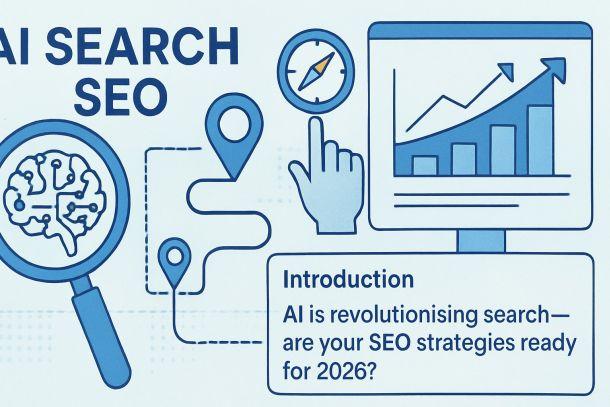
AI Search SEO
AI is revolutionising search, and the question is, are your strategies ready for 2026? Search engines are evolving at breakneck speed, and those clinging to old tactics face being left behind.

AI Based SEO
Picture this: your website transforms itself in real time, guided by the power of ai based seo, responding instantly to every search trend and user need. That is not a distant dream—it is how top marketers will win in 2025.
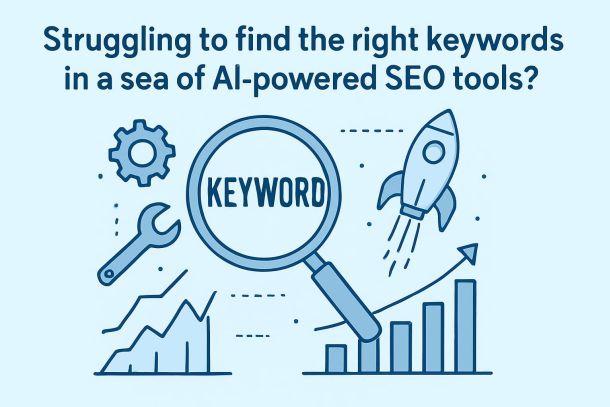
Keyword AI Tools
Struggling to find the right keywords in a sea of AI-powered SEO tools? With so many options, it’s easy to feel overwhelmed and unsure where to start. The rapid growth of keyword ai tools has left digital marketers and business owners searching for clarity.
Want this done rather than read?
Tell me what you sell and what isn't working. The audit that starts every engagement is free, and you keep the roadmap either way.