
Web design · 20 min read
Website Copywriting
In 2026, website copywriting is the critical factor that separates a site that converts from one that fades into the background. Most businesses struggle to connect with their audience because their message is either unclear or simply out of date.
By Matt Harrison · Published · Updated · Part of the guides behind Web Design & Build

In 2026, website copywriting is the critical factor that separates a site that converts from one that fades into the background. Most businesses struggle to connect with their audience because their message is either unclear or simply out of date.
With rapid changes in AI tools, SEO, and how people use the web, mastering your website copywriting is no longer optional—it’s essential. Imagine your website as a lead-generating machine, speaking directly to your ideal customers and driving real results.
This guide will show you, step by step, how to craft compelling website copy for 2026. You’ll learn about strategy, structure, brand voice, conversion tactics, and how to keep your message future-proof. Ready to master your message and turn visitors into loyal customers? Let’s dive in.
The Foundations of Website Copywriting in 2026
Modern website copywriting is not just about filling a page with words. It's the art and science of using language to guide visitors, spark action, and build trust online. Let’s break down what makes it so vital in 2026.
What is Website Copywriting?
Website copywriting means crafting persuasive, action-driven text for every page of a website. Unlike content writing, which focuses on attracting traffic or building relationships, website copywriting is about getting results.
Think of your site as a digital salesperson: every word should move visitors closer to a goal, whether that’s making a purchase, joining a mailing list, or booking a call. Competitors who treat copy as an afterthought risk missing out on conversions. As others say, “Words on your website are what drive conversions.” Effective website copywriting guides users through their journey, keeping them engaged and nudging them to act.
Why Website Copywriting Matters More Than Ever
With over 1 billion websites online, standing out has never been harder. Users now spend just 53 seconds on a page, so your website copywriting needs to grab attention fast.
Copy is at the heart of your digital sales funnel. Strong website copywriting pre-qualifies leads, boosts conversions, and helps filter out those who aren’t a good fit. For example, when Hairstrong rewrote their site, they saw a 266% conversion lift. Good website copywriting is your silent sales force, always working.
Website Copy vs. Other Copywriting Channels
Website copywriting is different from social, email, or print. Here, you must balance information, persuasion, and SEO. Your audience is broader and more varied, so the copy must be clear and accessible.
Websites have navigation, microcopy in buttons, and forms that demand clarity. SEO is a unique consideration, shaping how your website copywriting is structured. Every word, from main pages to microcopy, should serve a purpose and help users take the next step.
The Role of Strategy, Brand, and User Experience
Effective website copywriting starts with strategy. It’s not just what you say, but how you say it, and where it appears. Your copy should reflect your brand’s personality and be in sync with visuals and navigation, creating a seamless user experience.
Direct-response techniques and storytelling are powerful tools. Every word in website copywriting must earn its place, supporting conversion goals. Review, edit, and test your copy regularly to ensure it’s working as hard as you do.
Key Trends in Website Copywriting for 2026
In 2026, website copywriting is shaped by rapid change. AI-generated and AI-assisted copy are on the rise, letting brands personalise messages and use a more conversational tone. SEO is evolving, now with optimisation for AI search engines like ChatGPT and Perplexity.
Accessibility and inclusivity are front and centre, making sure everyone can connect with your message. Copywriting is becoming more data-driven, using analytics to refine every line. For a deeper look at what’s ahead, check out these emerging trends in AI copywriting expected to transform how we write online.
Step 1: Understand Your Audience and Their Journey
Understanding your audience is the cornerstone of effective website copywriting. If you skip this step, your message lands flat and your site won’t convert. Let’s break down how to truly get inside your customer’s mind and guide them from first click to loyal customer.
Researching Your Target Audience
Start by getting crystal clear on who you’re writing for. Effective website copywriting means knowing your audience’s demographics, psychographics, and motivations.
Build detailed buyer personas using real data. Don’t just guess—interview customers, listen to sales calls, and review support tickets. Use tools like surveys, Google Analytics, and social listening to uncover pain points, objections, and dreams.
For example, a brand like Mill shapes their website copywriting to directly target home-owning suburban adults, using language and references that resonate with that group.
Mapping the Customer Journey Online
A strong website copywriting strategy maps the full online journey. Every visitor travels through stages—awareness, consideration, decision, and action.
Ask yourself: What does your user need to think, feel, and believe at each stage? Use journey mapping to plan your copy and calls-to-action, ensuring every page nudges visitors closer to their goal.
Align your messaging with user intent at each touchpoint. This approach turns passive readers into active leads or customers.
Voice of Customer (VoC) Research
The best website copywriting sounds like your customers—not your boardroom. Mine reviews, testimonials, and support queries to gather the real language people use.
Sprinkle these phrases and concerns throughout your copy. For instance, when Pexels highlights “free” in their search microcopy, it instantly signals value to users.
Voice of customer research builds trust and boosts relevance, ensuring your website feels authentic and approachable.
Segmentation and Personalisation
Not every visitor is the same. Modern website copywriting uses segmentation to tailor messages by need, location, device, or behaviour.
Personalise headlines, offers, and testimonials for each segment. Use dynamic content where possible to keep engagement high. Targeted copy pre-qualifies leads and increases conversion rates.
Break your audience into groups and speak directly to each one for maximum impact.
Avoiding Assumptions and Bias
Don’t fall into the trap of writing for yourself. Website copywriting must focus on your ideal customer’s needs, not your own preferences.
Test your copy with real users for clarity. Strip out jargon and insider language unless your audience expects it. For non-experts, keep things simple and direct.
Constantly review your assumptions to avoid missing the mark or alienating potential customers.
Data-Driven Insights
Use data to sharpen your website copywriting. Analytics reveal where users drop off or lose interest. Identify high-exit pages, then A/B test headlines, calls-to-action, and value propositions.
Iterate your messaging based on performance, not gut feeling. AI-powered tools are making this process smarter and faster—learn more about how analytics and AI shape Insights on AI website optimization.
Let the numbers guide your improvements so your copy always works harder for you.
Building Empathy and Connection
Empathy is the secret weapon of website copywriting. Show users you understand their struggles and goals. Use storytelling to position your brand as the guide, not the hero.
Make your reader the centre of the story. When visitors feel seen and understood, they’re far more likely to trust your brand and take action.
Step 2: Craft Your Brand Messaging and Voice
Getting your brand message right is the beating heart of effective website copywriting. When your words echo your brand’s essence, you build trust, stand out, and make every visitor feel like you’re speaking directly to them.
Let’s break down the key ingredients for a website copywriting approach that’s genuinely memorable and uniquely yours.
Defining Your Core Value Proposition
Your core value proposition is the promise at the centre of your website copywriting. It’s what you offer, why it matters, and how you’re different, all in one punchy statement.
Don’t fall into the trap of vague claims. Be specific. Instead of “quality service for everyone,” try “Next-day, local meat delivery for busy families.” That’s how Walden Meat nails their homepage—visitors know exactly what they get in seconds.
When you’re clear and direct in your website copywriting, you make it easy for visitors to say, “Yes, this is for me.” Always ask yourself: could a stranger understand and remember what you do after a quick skim?
Building Brand Personality and Voice
Website copywriting isn’t just about what you say, but how you say it. Your brand personality sets the tone for every word on your site. Are you playful, authoritative, or straightforward?
Poppi, for example, uses a lively, youthful voice that matches its bold visuals. This consistency helps them stick in people’s minds. Decide on your tone early and stick to it, so whether it’s a blog post or a product page, your website copywriting feels unmistakably yours.
Remember, a memorable personality is key for conversions. Ask: does your copy sound like a real person, not a robot?
Aligning Copy with Visual Identity
Great website copywriting works hand in hand with visual identity. Your words should reinforce your brand’s colours, imagery, and style. If your site is bright and bold, your copy should be too.
Take Poppi’s neon colours and ’70s-inspired fonts—paired with witty, energetic copy, it’s a complete experience. Always check that your copy complements the site design, not clash with it. This unified approach makes your website copywriting more powerful and engaging.
Collaborate with your designer to ensure every headline, button, and snippet feels right within the visual context.
Differentiation and Positioning
To win with website copywriting, you must stand out. Highlight what makes you unique and focus on the transformation you offer. Address objections head-on and show visitors why you’re the best choice.
Share proof points—awards, testimonials, or case studies of website copy success to build credibility. Make it obvious how you solve problems better than the competition. Your copy should answer, “Why us?” at every turn.
Use the language your audience uses and avoid industry jargon unless it fits your brand. Stand out by being clear, authentic, and specific in your messaging.
Emotional Triggers and Storytelling
Emotional connection is the secret sauce in website copywriting. Use words that spark feelings, whether it’s excitement, trust, or relief. Storytelling helps you move beyond features and into real impact.
Share customer success stories or your founder’s journey to draw readers in. Reference powerful, emotion-driven phrases to nudge visitors toward action. When people see themselves in your stories, they’re more likely to engage and convert.
Make your brand the guide, and your customer the hero—every story should reinforce that relationship.
Consistency and Authenticity
Consistency is non-negotiable in website copywriting. Your voice should be steady from home page to contact form. Don’t try to sound “too professional” if it’s not who you are—people spot inauthenticity a mile away.
Authentic copy builds trust and makes your site more relatable. Set clear guidelines for tone and word choice, and review your site regularly for drift.
If your brand evolves, update your copy to reflect those changes. Consistency keeps your brand recognisable and reliable.
Brand Voice Guidelines for Teams
When more than one person is writing your website copywriting, guidelines are essential. Document your preferred tone, style, and vocabulary. List “do’s and don’ts” to keep things on track.
| Do | Don’t |
|---|---|
| Use conversational language | Use jargon unnecessarily |
| Focus on benefits | Talk only about features |
| Stay on-brand | Imitate competitors |
Review these guidelines often and update as your brand grows. This ensures every page, no matter who writes it, sounds like you.
Step 3: Structure Your Website for Clarity and Conversions
A well-structured website is the backbone of effective website copywriting. Without clear page purposes, logical flow, and scannable elements, even the best copy falls flat. Structure is what transforms your copy from words on a page into a seamless, conversion-driving experience.
Essential Pages and Their Purpose
Every high-performing site starts with the core five: Home, About, Product/Service, Contact, and Blog. Each page plays a unique role in your website copywriting strategy.
- Home: Delivers your core value at a glance and directs visitors where they need to go.
- About: Builds trust, shows your human side, and makes your brand relatable.
- Product/Service: Explains benefits, answers questions, and persuades users to act.
- Contact: Removes barriers and makes reaching out effortless.
- Blog: Establishes authority and attracts organic traffic.
If you skip any of these, your website copywriting won’t have the foundation needed to guide users or convert them. For more on how structure and design work together, see Website design and strategy.
Page-by-Page Copywriting Strategies
Each page type demands a tailored approach to website copywriting. The home page should open with a bold headline and value proposition, followed by clear navigation and strong social proof. On the About page, focus on the reader’s needs and use empathy to foster a connection.
Product or Service pages require a features-to-benefits framework, clear answers to objections, and relevant testimonials. The Contact page must be simple, inviting, and direct—no fluff, just a clear next step. For the Blog, blend education and SEO, but always tie back to conversion.
Getting these strategies right ensures your website copywriting supports the user journey from every angle.
Headings, Subheadings, and Skimmability
Most web users skim, not read. That’s why effective website copywriting uses bold, direct headings and clear subheadings. Break content into bite-sized sections, using bullet points and short paragraphs.
Consider this: if someone only reads your headings, will they get your message? Use headings to tell the story, so even scanners know what matters. This approach not only improves engagement, but also boosts SEO and accessibility.
Writing for Mobile and Accessibility
In 2026, your website copywriting must be as sharp on mobile as it is on desktop. Use short paragraphs, simple sentences, and plenty of white space. Make sure font sizes are readable, and colour contrast is strong.
Don’t forget accessibility. Add descriptive alt text, avoid jargon, and use plain language. Accessible copy isn’t just ethical—it opens your website to a wider audience, improving both reach and conversions.
Microcopy and Navigation
Microcopy is the unsung hero of website copywriting. These tiny phrases guide users through forms, buttons, and menus. A button that says “Get Your Free Guide” is far more effective than just “Submit.”
Good microcopy reassures, clarifies, and reduces friction. Use it to highlight benefits, ease concerns, and make each step feel effortless. Even a single word tweak can lift conversion rates.
Limiting and Editing Your Copy
Less is more in website copywriting. Users typically read only a fifth of the text on long pages. That means every word needs to earn its place.
Edit ruthlessly. Remove fluff, jargon, and anything that doesn’t drive action. Revisit your copy with fresh eyes, trim it down, and test different versions. Remember, the most powerful copy is often the simplest.
Formatting for Emphasis and Engagement
Well-formatted website copywriting keeps users engaged and focused. Use bold and italics to highlight key points, and break up text with images, testimonials, or calls to action.
A table can help summarise features or compare products, while bullet points make benefits pop. Structured formatting isn’t just about looks—it makes your message memorable and actionable.
Marketing XP: Website Copy That Converts
For SMEs ready to level up their website copywriting, Marketing XP blends AI-driven strategy, SEO, and expert copy to drive real results. Whether you’re on Shopify, WordPress, or need local lead generation, their approach ensures your message is clear, engaging, and conversion-focused.
Benefit from tailored brand messaging, CRO-focused structures, and ongoing optimisation for Google and AI search. If you want your website to turn visitors into customers, this is your next step.
Step 4: Conversion Optimisation and SEO for Website Copy
Want your website to actually convert visitors? It's not just about slick design. Website copywriting is the engine that powers conversions and search visibility. Let's break down the essentials for turning browsers into buyers and making your site stand out in 2026.
Writing Powerful Headlines and CTAs
Headlines are the first thing your audience sees. They need to grab attention and instantly communicate value. In website copywriting, your headline should answer, "What's in it for me?" in under three seconds.
Use action verbs and benefits. Instead of "Our Services," try "Boost Your Sales with Expert Marketing." CTAs must be clear and compelling. Avoid the bland "Submit" or "Learn More." Opt for specifics like "Get Your Free Quote" or "Start Saving Today."
Test different headlines and CTAs. What works for one page might flop on another. Consistent refinement is how you squeeze every drop of value from your website copywriting.
Example CTA:
Unlock Your Free Consultation
Features vs. Benefits: Sell the Outcome
A common website copywriting mistake is listing features and forgetting the benefits. Features describe what your product does. Benefits explain how it makes life better for your customer.
Here's a quick comparison:
| Features | Benefits |
|---|---|
| 24/7 Customer Support | Never feel stuck or ignored |
| Fast Delivery | Get what you need, when you need it |
| Mobile App | Manage your account on the go |
Always translate features into outcomes. Instead of "Now with AI integration," say, "Save hours every week with smart automation." Make the user see themselves winning.
Social Proof and Trust Elements
Trust is the backbone of website copywriting. Visitors need proof that you deliver. Include testimonials, reviews, trust badges, and recognisable logos.
Add stats if you can: "Tripled revenue in 6 months" or "Rated 4.9/5 by 1,200+ users." Use real photos and names for testimonials, not stock images.
- Client logos build instant credibility.
- Awards and certifications show expertise.
- Social proof reassures visitors they're not the first to try you.
Position trust elements near CTAs to nudge users at the moment of decision.
Addressing Objections and Reducing Friction
Every visitor has doubts. Website copywriting should pre-empt objections before they become dealbreakers.
Common tactics:
- Answer FAQs directly on key pages.
- Offer transparent pricing and clear guarantees.
- Use microcopy to reassure users at checkout or in forms.
For example, "No credit card required" or "Cancel anytime" can reduce anxiety. The smoother and safer the journey, the higher your conversions. For more practical advice, explore these Conversion rate optimisation tips.
SEO Best Practices for 2026
SEO is evolving fast. Today, website copywriting must serve both human readers and AI-powered search engines.
- Use target keywords naturally in headings and body text.
- Optimise for voice search and featured snippets.
- Structure content for skimmability and semantic search.
Stay on top of emerging trends. For instance, AI-driven search engines like ChatGPT and Perplexity are changing what's possible. To stay ahead, check out the Top 3 Copywriting Trends To Watch in 2026.
Internal Linking and User Flow
Guide your visitors with smart internal links. Website copywriting should ensure every page has a clear next step.
- Use descriptive anchor text, not just "click here."
- Link to related products, services, or blog posts.
- Make sure users never hit a dead end.
A logical flow keeps users engaged and helps search engines crawl your site more effectively. Internal linking is a win-win for UX and SEO.
Analytics, Testing, and Iteration
Guesswork doesn't cut it. Website copywriting must be data-driven. Set up analytics to track key actions: clicks, form submissions, scroll depth.
Run A/B tests on headlines, CTAs, and value propositions. Review the data, learn what works, and tweak your copy regularly.
A simple process:
- Launch a hypothesis (e.g., "Will a shorter headline boost signups?")
- Test and measure results.
- Iterate for continuous improvement.
Legal and Ethical Considerations
Great website copywriting is always honest and compliant. Avoid exaggerations or misleading claims. Make sure your copy meets advertising standards and privacy regulations.
- Use disclaimers where necessary.
- Be transparent about offers and pricing.
- Never promise what you can't deliver.
Ethical copy builds trust and protects your brand for the long haul.
Step 5: Future-Proofing Your Website Copywriting
Website copywriting in 2026 is about agility. What works today might not tomorrow. To stay ahead, you need to future-proof your message, your process, and your mindset.
This final step guides you through embracing tech, personalisation, accessibility, and measurement—so your website copywriting stays sharp as digital trends shift.
Embracing AI and Automation
AI is transforming website copywriting from research to optimisation. Use AI tools to generate headlines, draft landing pages, and analyse user behaviour. However, human oversight is essential for authenticity and emotional resonance.
Keep an eye on new AI-powered search engines, as they influence how your copy is found. To stay ahead of curve, explore Several Copywriting Trends That Will Grow in 2026 for insights on the evolving AI landscape.
Blend machine efficiency with human creativity. AI saves time, but your voice and expertise drive connection.
Personalisation and Dynamic Content
Personalisation is now expected. Dynamic website copywriting adapts to user location, device, or previous actions. Tailor headlines, offers, and testimonials to different audience segments.
Test personalised variations to see what converts best. According to The Future is Personalized: Copywriting & Brand Strategy Trends for 2026, micro-communities and hyper-personal messaging are shaping the future of website copywriting.
Start small with dynamic welcome messages or localised offers, then expand as your tech stack grows.
Accessibility and Inclusivity
Accessible website copywriting ensures everyone can engage with your site. Use clear language, proper heading structure, and alt text for images. Make sure your copy is readable for people with disabilities and those using assistive tech.
Avoid jargon and stereotypes, and use inclusive language. Accessibility isn’t just ethical—it widens your market and improves SEO.
Regularly audit your site for readability and compliance. Small changes can make a huge difference in user experience.
Continuous Learning and Skill Development
The best website copywriting pros never stop learning. Stay sharp by following industry blogs, joining copywriting communities, and attending webinars.
Invest in training on analytics, AI, and UX writing. As technology and user expectations evolve, so must your approach.
Set aside time each month to review trends, test new tools, and update your skills.
Templates, Frameworks, and Tools
Frameworks like AIDA, PAS, and StoryBrand help structure your website copywriting for clarity and persuasion. Use templates to streamline drafting without sacrificing originality.
Leverage tools for grammar checking, SEO analysis, and readability scoring. These resources save time and ensure your copy is polished and effective.
Choose tools that integrate with your workflow and support your website copywriting goals.
Collaboration with Designers and Developers
Website copywriting is a team sport. Work closely with UX designers to ensure your words fit the visual layout. Collaborate with developers to make sure microcopy, forms, and navigation are seamless.
Regular feedback loops help you spot friction points and improve the overall user journey. A collaborative approach leads to higher conversions and a better brand experience.
Measuring Success and ROI
To prove the value of website copywriting, track key metrics like conversions, bounce rate, and time on page. Set clear KPIs before launching new copy.
Use analytics to attribute revenue or leads to copy changes. Case studies often show businesses tripling their revenue after a strategic website copywriting overhaul.
Review your results regularly and use the data to inform your next round of updates.
Adapting to Changing User Behaviours
User habits shift fast. Monitor how visitors search, browse, and interact with your site. Update your website copywriting to reflect new technologies, devices, and preferences.
Stay open to feedback and be ready to pivot your messaging. The brands that thrive are those who adapt quickly and put the user first.
You’ve seen just how much impact clear website copy can have on your leads, sales, and brand trust. If you’re feeling stuck or want an honest, expert eye on your messaging, why not get a bit of help? I love digging into what works (and what doesn’t) for growing businesses, especially when it comes to Shopify and high converting websites. Let’s chat about your goals, your audience, and how to get your site working harder for you in 2026. Grab your Get free 45 min consultation and let’s make your message impossible to ignore.
Keep reading
More on web design

Marketing Designers
2026 is a turning point for marketing designers. The industry is more tech-driven, competitive, and complex than ever. Standing out now takes more than a great eye for colour or layout.
Choosing a Tech Stack for Web Development
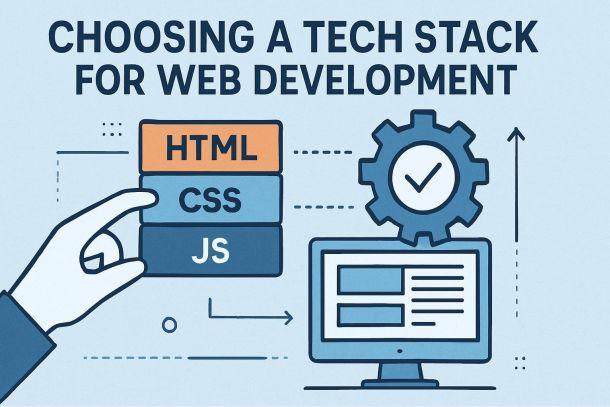
The difference between project success and failure in 2026 often comes down to your core technology choices. As web development moves faster than ever, picking the right tools shapes how your site performs, scales, and how much it costs you in the long run.

Website Design Strategy
Imagine investing thousands in a stunning website, only to watch it flop in 2026’s crowded digital world. The truth is, without a solid website design strategy, even the most beautiful sites can fail to deliver results.
Want this done rather than read?
Tell me what you sell and what isn't working. The audit that starts every engagement is free, and you keep the roadmap either way.