


No code websites are changing the game for entrepreneurs, small businesses, and creatives across the globe. Thanks to easy-to-use builders, anyone can launch a stylish, functional site in record time, even with zero coding experience. By 2026, advances in AI and design tools will make it even simpler to create standout digital spaces. In this guide, you’ll discover 7 inspiring no code websites you can build, each tailored to different goals and audiences. From e-commerce and portfolios to membership platforms and service businesses, there’s something here for every ambition.
What Are No Code Websites?
The world of no code websites is transforming how we approach online presence. Whether you're launching a business, sharing your art, or building a community, these platforms make it possible for anyone to create a polished site without ever touching a line of code. But what actually sets no code websites apart, and why are they such a game-changer?
Definition and Core Concepts
No code websites are digital platforms that let you build, design, and launch sites using visual tools rather than manual programming. Unlike traditional website development, where you’d write HTML, CSS, or JavaScript, no code websites rely on drag and drop editors, pre-built templates, and intuitive interfaces.
This approach means you can arrange pages, add images, tweak layouts, and manage content—all visually. It’s like building with digital LEGO bricks instead of crafting every piece from scratch.
No code websites differ from low code solutions, which offer some visual tools but still require a bit of scripting for custom features. No code tools focus on the non-technical user, aiming for zero coding needed.
AI is now a major player in these platforms, automating design, content creation, and even SEO tweaks. For example, platforms like Wix, Squarespace, and Webflow are integrating AI to speed up site setup and optimise user experience. According to AI integration in no-code platforms, these advancements are rapidly closing the gap between DIY and developer-built sites.
Key Benefits of No Code Websites
The main appeal of no code websites is accessibility. Anyone—regardless of tech background—can get a site up and running quickly. This opens the door for entrepreneurs, small businesses, and creatives who need results without the overhead of a developer.
Speed is another huge benefit. With pre-designed templates, built-in hosting, and easy editing, you can launch a professional site in days rather than months. Ongoing updates are simple, too, so you’re not stuck waiting for technical help.
No code websites are also cost-effective. You save on development fees, and most platforms offer affordable monthly plans. Features like e-commerce, SEO tools, and mobile responsiveness are built in, so you’re ready for growth from day one.
Scalability is a bonus. As your business or project expands, you can add new features, pages, or integrations without a rebuild. Managing your site becomes a breeze, keeping you in control.
Here’s a quick comparison:
| Feature | No Code Websites | Low Code Platforms | Traditional Coding |
|---|---|---|---|
| Coding Required | None | Some | Extensive |
| Speed to Launch | Fast | Moderate | Slow |
| Cost | Low | Medium | High |
| Customisation Level | Moderate | High | Unlimited |
Limitations and Considerations
No code websites do have limits. Customisation is more restricted compared to hand-coded solutions. You’re often working within the boundaries of templates and platform features, which might not suit every unique vision.
Vendor lock-in can be an issue. Since your site relies on a specific platform’s ecosystem, moving elsewhere can be tricky. Export options and data portability are important to check before you commit.
Performance, responsiveness, and advanced SEO might not match fully bespoke sites. Large-scale or highly unique projects may run into walls, especially if you need custom integrations or complex workflows.
Industry data shows that no code websites are ideal for small to medium projects. For massive, enterprise-level needs or when you want absolute creative freedom, traditional development is still the gold standard.
In the end, choosing no code websites is about weighing ease, speed, and cost against the need for deep customisation and long-term flexibility.
How to Choose the Right No Code Platform in 2026
Picking the best no code websites platform in 2026 can feel like choosing a new car. There are plenty of shiny options, but not every model fits your needs or budget. Let’s break down the key steps so you can drive off with the perfect solution for your project.
Identifying Your Website Goals
Before you even browse no code websites platforms, get clear on what you want to achieve. Is your goal to launch an online shop, display a creative portfolio, or generate leads for a service business?
Think about your target audience. Are they browsing on mobile, expecting fast booking, or looking for exclusive content? Make a list of must-have features, such as payment gateways, booking forms, or member areas. This clarity will make comparing no code websites options much easier and ensure you don’t waste time with the wrong tool.
Evaluating Platform Features
Not all no code websites platforms are created equal. Some shine with drag-and-drop simplicity, while others offer deeper design flexibility. Review template quality, customisation options, and built-in integrations like marketing tools or analytics.
Here’s a quick comparison table:
| Feature | Platform A | Platform B | Platform C |
|---|---|---|---|
| Drag-and-drop | Yes | Yes | Limited |
| E-commerce | Full | Basic | None |
| SEO tools | Advanced | Standard | Basic |
Also, explore support channels and community resources, as these can make a huge difference if you hit a snag building your no code websites.
Pricing and Value for Money
No code websites typically offer monthly or annual pricing, sometimes with free tiers or transaction fees. Always check what’s included: are advanced features extra, or do you get them on the basic plan?
Look out for hidden costs like premium templates or third-party app fees. For example, Webflow’s advanced design options can cost more, while Wix is known for its user-friendly interface at a lower starting price. Comparing value is about more than the sticker price – think about what you actually need for your no code websites project.
Vendor Lock-In and Export Options
One downside of some no code websites platforms is vendor lock-in. If you outgrow your platform or want to switch, can you export your content and design easily?
Check for migration tools, data portability, and clear export options. Future-proofing is key: you don’t want to be boxed in if your business takes off or your needs change. Many experts recommend reviewing Web design and development insights to understand how export and flexibility can impact your long-term strategy.
AI and Future-Readiness
AI is transforming no code websites, making design, content, and automation smarter than ever. Look for platforms investing in AI-powered tools, like automated layouts, content suggestions, or smart SEO recommendations.
As digital trends shift, the right platform will keep you ahead of the curve. Evaluate how each provider is adapting to new tech, ensuring your site remains modern, fast, and competitive in 2026.
7 Inspiring No Code Websites to Build in 2026
Building a website has never been easier. With no code websites, anyone can launch a professional online presence that rivals custom builds. In 2026, the tools are more powerful, creative, and accessible than ever before. Let’s dive into seven inspiring types of no code websites you can create, each tailored to different goals, audiences, and ambitions.
1. E-Commerce Store with Shopify
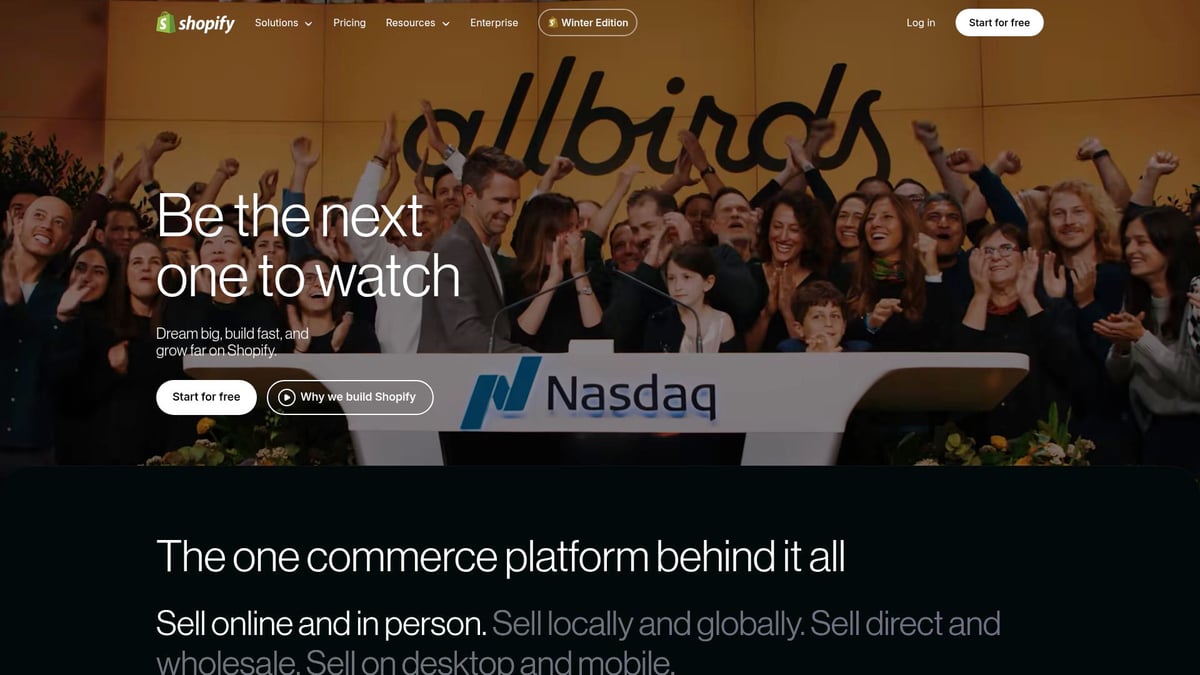
Dreaming of your own online shop? Shopify remains a go-to for no code websites focused on selling. With pricing starting from £25/month plus transaction fees, you get a robust toolkit.
Core Features:
- Drag-and-drop builder for store design
- Product management and inventory tracking
- Secure payment integrations (Apple Pay, PayPal, credit cards)
- Built-in analytics and sales reports
- Mobile-optimised templates
Benefits:
Shopify lets you build, launch, and scale no code websites for e-commerce in record time. Its extensive app marketplace means you can add nearly any feature you need as you grow.
Ideal For: Retailers, creators, DTC brands selling physical or digital goods.
Pros:
- Powerful sales and marketing tools
- Secure checkout trusted worldwide
- Global reach with multi-currency support
Cons:
- Ongoing monthly fees and transaction charges
- Customisation can be limited outside Shopify’s own ecosystem
Example: Indie fashion boutiques or monthly subscription boxes thrive with Shopify. AI-powered product recommendations and content tools help optimise your site for conversions. For more on using AI to boost performance, see AI website optimization strategies.
2. Portfolio Website with Webflow
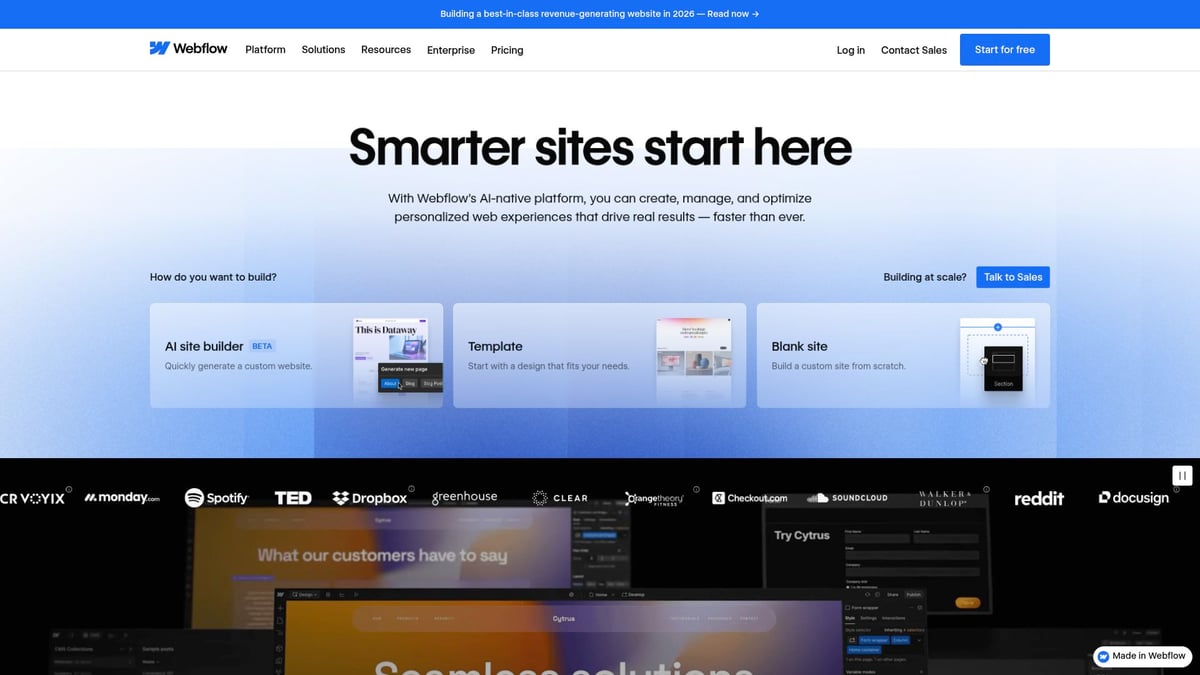
If you’re a creative professional, Webflow is the gold standard for no code websites that stand out visually. Its free tier lets you experiment, while paid plans start around £16/month.
Core Features:
- Visual drag-and-drop design editor
- Advanced animations and interactions
- CMS for blog posts and project showcases
- Responsive layouts for mobile and desktop
- Built-in SEO controls
Benefits:
Webflow gives total creative control, letting you craft stunning no code websites with pixel-perfect precision. You can also export clean code for further customisation.
Ideal For: Designers, photographers, agencies, freelancers.
Pros:
- High design flexibility with professional results
- Advanced animations without coding
- SEO and accessibility features built in
Cons:
- Learning curve for beginners
- Some advanced features need higher-tier plans
Example: Award-winning digital portfolios or agency showcases, with interactive galleries and client testimonials.
3. Membership Site with Squarespace
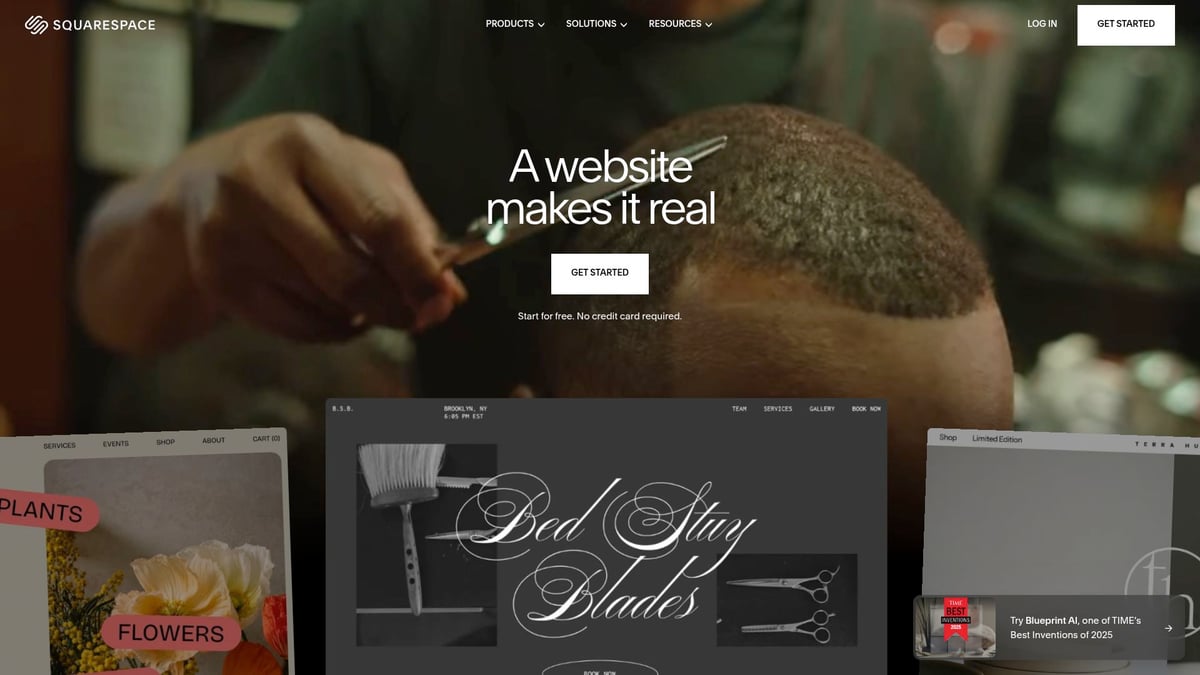
Membership sites are among the most popular no code websites for 2026. Squarespace, starting at about £19/month, makes it simple to monetise your expertise or build communities.
Core Features:
- Members areas and paywalls for exclusive content
- Email marketing and event scheduling
- Beautiful, customisable templates
- Integrated analytics and reporting
Benefits:
Squarespace handles payments, member management, and communication in one place. It’s ideal for coaches, educators, and content creators wanting to turn knowledge into income.
Ideal For: Online courses, fitness communities, exclusive clubs.
Pros:
- All-in-one solution
- Easy to use, minimal setup required
- Visually impressive templates
Cons:
- Limited third-party integrations
- Complex memberships may require workarounds
Example: Yoga instructors or writers running paid newsletters and private forums.
4. Service Business Website with Wix
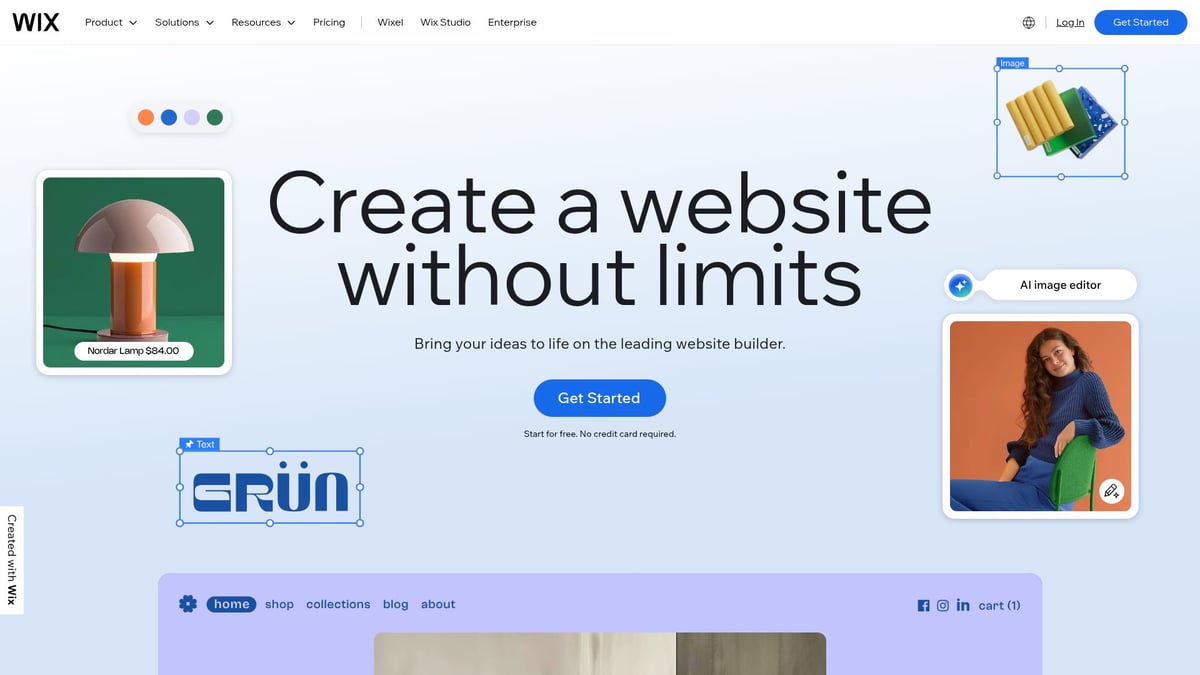
Wix is perfect for service businesses needing no code websites that work as hard as they do. Plans start at £9/month, with ads removed on paid plans.
Core Features:
- Booking forms and calendars
- Contact management and client CRM
- Payment processing and invoicing
- SEO tools and app marketplace
Benefits:
Wix’s drag-and-drop builder lets you go from idea to live site in hours. The template library covers nearly every industry imaginable.
Ideal For: Consultants, salons, personal trainers, local businesses.
Pros:
- Extremely user-friendly
- Huge selection of templates and add-ons
- Excellent customer support
Cons:
- So many options can feel overwhelming
- Switching templates after launch is tricky
Example: Hairdressers taking bookings online, plumbers showcasing services, or PTs selling session packages.
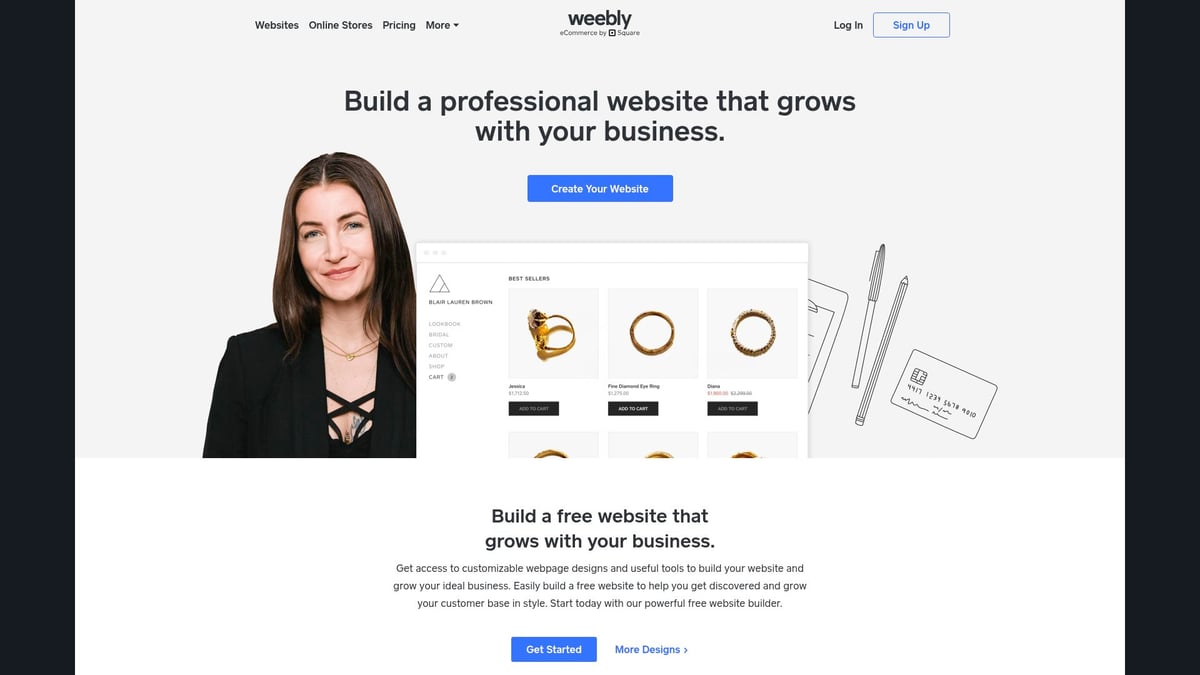
5. Blog or Content Hub with Weebly
For those who want to share stories or knowledge, Weebly offers straightforward no code websites for blogging. There’s a free option, with paid plans from £16/month.
Core Features:
- Drag-and-drop editor for posts and pages
- Integrated blog system with comments
- E-commerce tools for selling digital or physical products
- Mobile-ready themes and reliable hosting
Benefits:
Weebly’s simplicity is its superpower. Anyone can publish content, update pages, or open a shop without tech know-how.
Ideal For: Bloggers, small publishers, hobbyist creators.
Pros:
- Fast to launch, easy to edit
- Affordable pricing
- SEO tools included
Cons:
- Limited design flexibility compared to others
- Fewer advanced features for scaling
Example: Food blogs, travel journals, or niche news hubs.
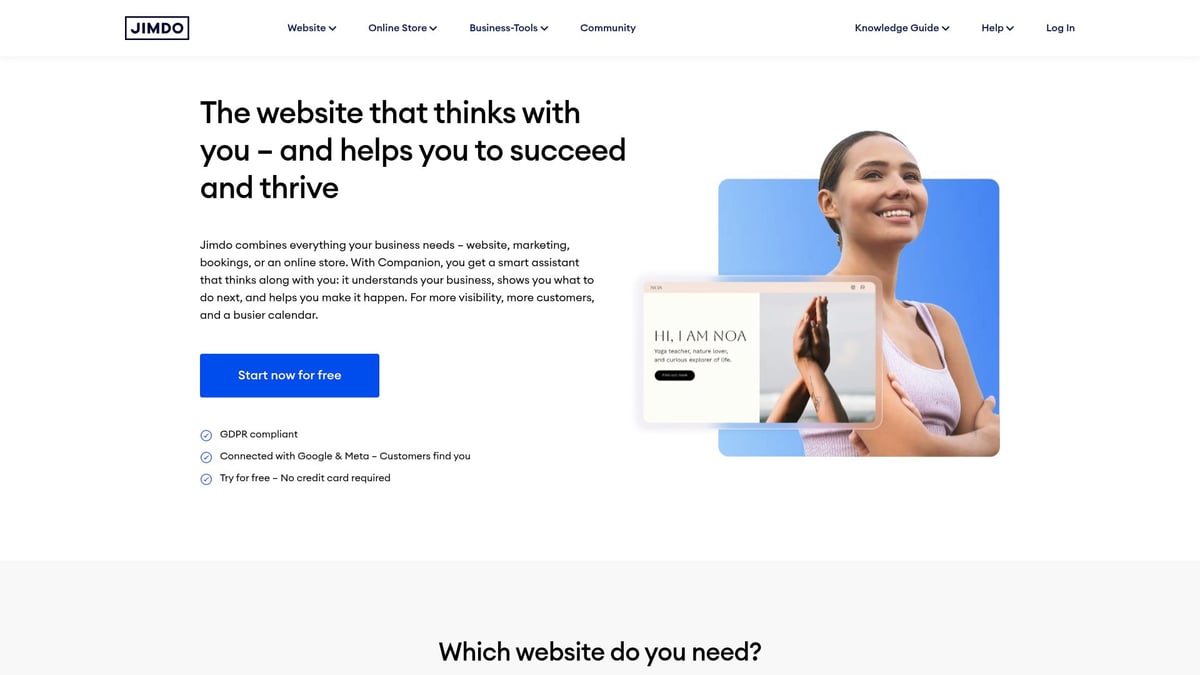
6. Multilingual Website with Jimdo
Expanding globally? Jimdo is great for no code websites that need to speak more than one language. Free and paid plans start at £8/month.
Core Features:
- Built-in multilingual support
- Simple drag-and-drop site builder
- E-commerce and blogging tools
- GDPR compliance and SEO features
Benefits:
Jimdo makes it easy for businesses to serve international audiences without technical hurdles.
Ideal For: Small businesses, freelancers, NGOs reaching global customers.
Pros:
- Multiple language options out of the box
- Beginner-friendly interface
- Affordable pricing
Cons:
- Fewer advanced features than larger platforms
- Design customisation is more limited
Example: Local shops selling to tourists, travel agencies, or non-profits with global supporters.
7. Online Booking Platform with Zyro
Managing appointments online is essential for many service businesses. Zyro, with plans from just £2.90/month, is leading the way for no code websites focused on bookings.
Core Features:
- Appointment scheduling tools
- Secure payment integration
- Responsive, modern templates
- AI-powered content and image generation
Benefits:
Zyro streamlines the booking process, helping you get online fast and start taking bookings with minimal fuss.
Ideal For: Therapists, clinics, event organisers, tutors.
Pros:
- Lowest entry cost among major platforms
- Impressive AI features for content and design
- Quick, simple setup
Cons:
- Smaller app ecosystem than competitors
- Fewer advanced integrations for custom needs
Example: Yoga studios, music teachers, or event planners managing schedules online.
Comparison Table: No Code Website Platforms
| Website Type | Platform | Starting Price | Best For | Key Feature |
|---|---|---|---|---|
| E-Commerce Store | Shopify | £25/month | Retailers, DTC brands | App marketplace |
| Portfolio | Webflow | £16/month | Creatives, agencies | Advanced animations |
| Membership Site | Squarespace | £19/month | Coaches, communities | Member management |
| Service Business | Wix | £9/month | Consultants, local shops | Booking forms |
| Blog/Content Hub | Weebly | £16/month | Bloggers, publishers | Simple blogging |
| Multilingual Site | Jimdo | £8/month | Global SMEs, NGOs | Language support |
| Booking Platform | Zyro | £2.90/month | Clinics, tutors, studios | Scheduling tools |
No code websites in 2026 deliver flexibility, creativity, and speed for every goal. Whether you’re selling, showcasing, teaching, or booking, there’s a platform that fits. The right choice lets you focus on your business, not on code.
Essential Tips for Launching a No Code Website in 2026
Launching no code websites in 2026 is easier than ever, but getting real results means following a clear plan. Here are essential tips for building a site that attracts, engages, and converts.
Planning and Strategy
Before you dive into building, set out your goals. Who is your site for? What action do you want visitors to take? Map out your site structure with all key pages and features.
Pick a template that fits your brand and audience. List must-have functions like booking, payments, or contact forms. This upfront clarity will help your no code websites deliver real value.
- Define your audience and objectives
- Sketch out a simple site map
- Choose features that matter most to your users
Optimising for SEO and Performance
No code websites come packed with built-in SEO tools. Make the most of them by optimising your titles, meta descriptions, and image alt tags. Prioritise mobile responsiveness and fast load times.
For practical advice, check out these SEO and website performance tips to help your site climb Google rankings. Speed and search visibility are non-negotiable for modern sites.
- Use the platform’s SEO guides
- Test your site on mobile devices
- Compress images for faster loading
Leveraging AI and Integrations
Most no code websites now offer AI-powered tools to speed up design and content creation. Use these for layout suggestions, auto-generated copy, or even AI-driven chatbots.
Integrate your site with marketing tools, analytics, and CRM platforms. This lets you automate tasks, track user journeys, and get actionable insights.
- Enable AI design helpers
- Connect to email marketing and analytics
- Use automation for repetitive jobs
Testing and Launch Best Practices
Preview your no code websites on multiple devices and browsers. Invite feedback from friends, colleagues, or testers to catch any issues before launch.
Set up analytics from day one to spot what’s working and what needs tweaking. Regular testing helps you maintain a smooth, professional user experience.
- Test on phones, tablets, and desktops
- Collect feedback before going live
- Monitor site data with analytics tools
Scaling and Future-Proofing
Choose a platform that grows with you. No code websites should allow easy upgrades, content updates, and migrations if needed.
Keep your site fresh by adding new content and features regularly. Stay ahead of trends like AI chatbots, voice search, and digital payments to future-proof your online presence.
- Pick platforms with upgrade paths
- Update content often
- Watch for new tech and features
The Future of No Code Website Building
The landscape for no code websites is evolving rapidly, with innovation driven by AI, automation, and the need for accessible web solutions. As we look toward 2026, these platforms will be more powerful and adaptable, helping users create, manage, and scale sites with unprecedented ease.
AI-Driven Design and Content Creation
By 2026, AI will transform no code websites from static templates to dynamic, personalised experiences. Platforms will use AI to generate layouts, recommend colour schemes, and write content tailored to your audience. Imagine updating your entire site’s design or text with a single prompt. Research like the LLM4FaaS research paper shows how large language models can automate even complex site features, giving creators more freedom and speed.
AI will also enable smarter SEO, suggesting improvements in real time. For businesses, this means less time spent tweaking and more time connecting with visitors.
Integration with Emerging Technologies
No code websites are set to embrace technologies like AR, VR, voice assistants, and IoT. This will allow brands to build immersive experiences, interactive product demos, and voice-activated navigation without coding knowledge. According to recent studies, there’s a decline in coding for web app development, highlighting how no code platforms are taking centre stage in digital innovation.
Soon, adding a virtual showroom or smart device integration will be as easy as dragging a block onto your page.
Enhanced Collaboration and Workflow Tools
Modern no code websites will offer real-time collaboration, letting teams and agencies work together just like in Google Docs. Expect features like version control, workflow automation, and instant feedback loops. This makes project management smoother, especially for distributed teams.
Workflow tools will help automate repetitive tasks, so you can focus on creative strategy and growth.
Greater Focus on Accessibility and Compliance
Accessibility and compliance will become non-negotiable for no code websites. Platforms are already making it easier to meet standards for screen readers, keyboard navigation, and data protection.
In future, expect built-in accessibility checkers and automated GDPR tools. This shift ensures everyone, regardless of ability, can access your content.
Evolving Monetisation Models
No code websites will unlock new revenue streams. Platforms will offer flexible options for memberships, microtransactions, and subscriptions. Digital products and gated content will be easy to launch and manage.
As monetisation models diversify, creators and small businesses will find it easier to earn online and test new ideas quickly.
Community and Marketplace Ecosystems
A thriving ecosystem will surround no code websites, with marketplaces for templates, plugins, and integrations. Community forums, tutorials, and peer support will accelerate learning and troubleshooting.
These ecosystems will empower users to share ideas, solve problems, and build faster than ever before.
Data and Insights
Real-time analytics, A/B testing, and heatmaps will be built into no code websites as standard. AI will analyse visitor behaviour and recommend optimisations, taking the guesswork out of growth.
With smarter insights, you’ll understand what works and adapt your site for better conversions, keeping your business ahead of the curve.
Ready to turn these no code ideas into something that actually brings in leads and sales for your business? I get how overwhelming it can be choosing the right platform, optimising for conversions, or making sure your site isn’t just another pretty placeholder. If you want practical advice from someone who’s built and improved high converting websites for small businesses, let’s chat. Book your Get free 45 min consultation and I’ll help you cut through the noise, pick what works, and get your website working harder for you.
No code websites are changing the game for entrepreneurs, small businesses, and creatives across the globe. Thanks to easy-to-use builders, anyone can launch a stylish, functional site in record time, even with zero coding experience. By 2026, advances in AI and design tools will make it even simpler to create standout digital spaces. In this guide, you’ll discover 7 inspiring no code websites you can build, each tailored to different goals and audiences. From e-commerce and portfolios to membership platforms and service businesses, there’s something here for every ambition.
What Are No Code Websites?
The world of no code websites is transforming how we approach online presence. Whether you're launching a business, sharing your art, or building a community, these platforms make it possible for anyone to create a polished site without ever touching a line of code. But what actually sets no code websites apart, and why are they such a game-changer?
Definition and Core Concepts
No code websites are digital platforms that let you build, design, and launch sites using visual tools rather than manual programming. Unlike traditional website development, where you’d write HTML, CSS, or JavaScript, no code websites rely on drag and drop editors, pre-built templates, and intuitive interfaces.
This approach means you can arrange pages, add images, tweak layouts, and manage content—all visually. It’s like building with digital LEGO bricks instead of crafting every piece from scratch.
No code websites differ from low code solutions, which offer some visual tools but still require a bit of scripting for custom features. No code tools focus on the non-technical user, aiming for zero coding needed.
AI is now a major player in these platforms, automating design, content creation, and even SEO tweaks. For example, platforms like Wix, Squarespace, and Webflow are integrating AI to speed up site setup and optimise user experience. According to AI integration in no-code platforms, these advancements are rapidly closing the gap between DIY and developer-built sites.
Key Benefits of No Code Websites
The main appeal of no code websites is accessibility. Anyone—regardless of tech background—can get a site up and running quickly. This opens the door for entrepreneurs, small businesses, and creatives who need results without the overhead of a developer.
Speed is another huge benefit. With pre-designed templates, built-in hosting, and easy editing, you can launch a professional site in days rather than months. Ongoing updates are simple, too, so you’re not stuck waiting for technical help.
No code websites are also cost-effective. You save on development fees, and most platforms offer affordable monthly plans. Features like e-commerce, SEO tools, and mobile responsiveness are built in, so you’re ready for growth from day one.
Scalability is a bonus. As your business or project expands, you can add new features, pages, or integrations without a rebuild. Managing your site becomes a breeze, keeping you in control.
Here’s a quick comparison:
| Feature | No Code Websites | Low Code Platforms | Traditional Coding |
|---|---|---|---|
| Coding Required | None | Some | Extensive |
| Speed to Launch | Fast | Moderate | Slow |
| Cost | Low | Medium | High |
| Customisation Level | Moderate | High | Unlimited |
Limitations and Considerations
No code websites do have limits. Customisation is more restricted compared to hand-coded solutions. You’re often working within the boundaries of templates and platform features, which might not suit every unique vision.
Vendor lock-in can be an issue. Since your site relies on a specific platform’s ecosystem, moving elsewhere can be tricky. Export options and data portability are important to check before you commit.
Performance, responsiveness, and advanced SEO might not match fully bespoke sites. Large-scale or highly unique projects may run into walls, especially if you need custom integrations or complex workflows.
Industry data shows that no code websites are ideal for small to medium projects. For massive, enterprise-level needs or when you want absolute creative freedom, traditional development is still the gold standard.
In the end, choosing no code websites is about weighing ease, speed, and cost against the need for deep customisation and long-term flexibility.
How to Choose the Right No Code Platform in 2026
Picking the best no code websites platform in 2026 can feel like choosing a new car. There are plenty of shiny options, but not every model fits your needs or budget. Let’s break down the key steps so you can drive off with the perfect solution for your project.
Identifying Your Website Goals
Before you even browse no code websites platforms, get clear on what you want to achieve. Is your goal to launch an online shop, display a creative portfolio, or generate leads for a service business?
Think about your target audience. Are they browsing on mobile, expecting fast booking, or looking for exclusive content? Make a list of must-have features, such as payment gateways, booking forms, or member areas. This clarity will make comparing no code websites options much easier and ensure you don’t waste time with the wrong tool.
Evaluating Platform Features
Not all no code websites platforms are created equal. Some shine with drag-and-drop simplicity, while others offer deeper design flexibility. Review template quality, customisation options, and built-in integrations like marketing tools or analytics.
Here’s a quick comparison table:
| Feature | Platform A | Platform B | Platform C |
|---|---|---|---|
| Drag-and-drop | Yes | Yes | Limited |
| E-commerce | Full | Basic | None |
| SEO tools | Advanced | Standard | Basic |
Also, explore support channels and community resources, as these can make a huge difference if you hit a snag building your no code websites.
Pricing and Value for Money
No code websites typically offer monthly or annual pricing, sometimes with free tiers or transaction fees. Always check what’s included: are advanced features extra, or do you get them on the basic plan?
Look out for hidden costs like premium templates or third-party app fees. For example, Webflow’s advanced design options can cost more, while Wix is known for its user-friendly interface at a lower starting price. Comparing value is about more than the sticker price – think about what you actually need for your no code websites project.
Vendor Lock-In and Export Options
One downside of some no code websites platforms is vendor lock-in. If you outgrow your platform or want to switch, can you export your content and design easily?
Check for migration tools, data portability, and clear export options. Future-proofing is key: you don’t want to be boxed in if your business takes off or your needs change. Many experts recommend reviewing Web design and development insights to understand how export and flexibility can impact your long-term strategy.
AI and Future-Readiness
AI is transforming no code websites, making design, content, and automation smarter than ever. Look for platforms investing in AI-powered tools, like automated layouts, content suggestions, or smart SEO recommendations.
As digital trends shift, the right platform will keep you ahead of the curve. Evaluate how each provider is adapting to new tech, ensuring your site remains modern, fast, and competitive in 2026.
7 Inspiring No Code Websites to Build in 2026
Building a website has never been easier. With no code websites, anyone can launch a professional online presence that rivals custom builds. In 2026, the tools are more powerful, creative, and accessible than ever before. Let’s dive into seven inspiring types of no code websites you can create, each tailored to different goals, audiences, and ambitions.
1. E-Commerce Store with Shopify
Dreaming of your own online shop? Shopify remains a go-to for no code websites focused on selling. With pricing starting from £25/month plus transaction fees, you get a robust toolkit.
Core Features:
- Drag-and-drop builder for store design
- Product management and inventory tracking
- Secure payment integrations (Apple Pay, PayPal, credit cards)
- Built-in analytics and sales reports
- Mobile-optimised templates
Benefits:
Shopify lets you build, launch, and scale no code websites for e-commerce in record time. Its extensive app marketplace means you can add nearly any feature you need as you grow.
Ideal For: Retailers, creators, DTC brands selling physical or digital goods.
Pros:
- Powerful sales and marketing tools
- Secure checkout trusted worldwide
- Global reach with multi-currency support
Cons:
- Ongoing monthly fees and transaction charges
- Customisation can be limited outside Shopify’s own ecosystem
Example: Indie fashion boutiques or monthly subscription boxes thrive with Shopify. AI-powered product recommendations and content tools help optimise your site for conversions. For more on using AI to boost performance, see AI website optimization strategies.
2. Portfolio Website with Webflow
If you’re a creative professional, Webflow is the gold standard for no code websites that stand out visually. Its free tier lets you experiment, while paid plans start around £16/month.
Core Features:
- Visual drag-and-drop design editor
- Advanced animations and interactions
- CMS for blog posts and project showcases
- Responsive layouts for mobile and desktop
- Built-in SEO controls
Benefits:
Webflow gives total creative control, letting you craft stunning no code websites with pixel-perfect precision. You can also export clean code for further customisation.
Ideal For: Designers, photographers, agencies, freelancers.
Pros:
- High design flexibility with professional results
- Advanced animations without coding
- SEO and accessibility features built in
Cons:
- Learning curve for beginners
- Some advanced features need higher-tier plans
Example: Award-winning digital portfolios or agency showcases, with interactive galleries and client testimonials.
3. Membership Site with Squarespace
Membership sites are among the most popular no code websites for 2026. Squarespace, starting at about £19/month, makes it simple to monetise your expertise or build communities.
Core Features:
- Members areas and paywalls for exclusive content
- Email marketing and event scheduling
- Beautiful, customisable templates
- Integrated analytics and reporting
Benefits:
Squarespace handles payments, member management, and communication in one place. It’s ideal for coaches, educators, and content creators wanting to turn knowledge into income.
Ideal For: Online courses, fitness communities, exclusive clubs.
Pros:
- All-in-one solution
- Easy to use, minimal setup required
- Visually impressive templates
Cons:
- Limited third-party integrations
- Complex memberships may require workarounds
Example: Yoga instructors or writers running paid newsletters and private forums.
4. Service Business Website with Wix
Wix is perfect for service businesses needing no code websites that work as hard as they do. Plans start at £9/month, with ads removed on paid plans.
Core Features:
- Booking forms and calendars
- Contact management and client CRM
- Payment processing and invoicing
- SEO tools and app marketplace
Benefits:
Wix’s drag-and-drop builder lets you go from idea to live site in hours. The template library covers nearly every industry imaginable.
Ideal For: Consultants, salons, personal trainers, local businesses.
Pros:
- Extremely user-friendly
- Huge selection of templates and add-ons
- Excellent customer support
Cons:
- So many options can feel overwhelming
- Switching templates after launch is tricky
Example: Hairdressers taking bookings online, plumbers showcasing services, or PTs selling session packages.
5. Blog or Content Hub with Weebly
For those who want to share stories or knowledge, Weebly offers straightforward no code websites for blogging. There’s a free option, with paid plans from £16/month.
Core Features:
- Drag-and-drop editor for posts and pages
- Integrated blog system with comments
- E-commerce tools for selling digital or physical products
- Mobile-ready themes and reliable hosting
Benefits:
Weebly’s simplicity is its superpower. Anyone can publish content, update pages, or open a shop without tech know-how.
Ideal For: Bloggers, small publishers, hobbyist creators.
Pros:
- Fast to launch, easy to edit
- Affordable pricing
- SEO tools included
Cons:
- Limited design flexibility compared to others
- Fewer advanced features for scaling
Example: Food blogs, travel journals, or niche news hubs.
6. Multilingual Website with Jimdo
Expanding globally? Jimdo is great for no code websites that need to speak more than one language. Free and paid plans start at £8/month.
Core Features:
- Built-in multilingual support
- Simple drag-and-drop site builder
- E-commerce and blogging tools
- GDPR compliance and SEO features
Benefits:
Jimdo makes it easy for businesses to serve international audiences without technical hurdles.
Ideal For: Small businesses, freelancers, NGOs reaching global customers.
Pros:
- Multiple language options out of the box
- Beginner-friendly interface
- Affordable pricing
Cons:
- Fewer advanced features than larger platforms
- Design customisation is more limited
Example: Local shops selling to tourists, travel agencies, or non-profits with global supporters.
7. Online Booking Platform with Zyro
Managing appointments online is essential for many service businesses. Zyro, with plans from just £2.90/month, is leading the way for no code websites focused on bookings.
Core Features:
- Appointment scheduling tools
- Secure payment integration
- Responsive, modern templates
- AI-powered content and image generation
Benefits:
Zyro streamlines the booking process, helping you get online fast and start taking bookings with minimal fuss.
Ideal For: Therapists, clinics, event organisers, tutors.
Pros:
- Lowest entry cost among major platforms
- Impressive AI features for content and design
- Quick, simple setup
Cons:
- Smaller app ecosystem than competitors
- Fewer advanced integrations for custom needs
Example: Yoga studios, music teachers, or event planners managing schedules online.
Comparison Table: No Code Website Platforms
| Website Type | Platform | Starting Price | Best For | Key Feature |
|---|---|---|---|---|
| E-Commerce Store | Shopify | £25/month | Retailers, DTC brands | App marketplace |
| Portfolio | Webflow | £16/month | Creatives, agencies | Advanced animations |
| Membership Site | Squarespace | £19/month | Coaches, communities | Member management |
| Service Business | Wix | £9/month | Consultants, local shops | Booking forms |
| Blog/Content Hub | Weebly | £16/month | Bloggers, publishers | Simple blogging |
| Multilingual Site | Jimdo | £8/month | Global SMEs, NGOs | Language support |
| Booking Platform | Zyro | £2.90/month | Clinics, tutors, studios | Scheduling tools |
No code websites in 2026 deliver flexibility, creativity, and speed for every goal. Whether you’re selling, showcasing, teaching, or booking, there’s a platform that fits. The right choice lets you focus on your business, not on code.
Essential Tips for Launching a No Code Website in 2026
Launching no code websites in 2026 is easier than ever, but getting real results means following a clear plan. Here are essential tips for building a site that attracts, engages, and converts.
Planning and Strategy
Before you dive into building, set out your goals. Who is your site for? What action do you want visitors to take? Map out your site structure with all key pages and features.
Pick a template that fits your brand and audience. List must-have functions like booking, payments, or contact forms. This upfront clarity will help your no code websites deliver real value.
- Define your audience and objectives
- Sketch out a simple site map
- Choose features that matter most to your users
Optimising for SEO and Performance
No code websites come packed with built-in SEO tools. Make the most of them by optimising your titles, meta descriptions, and image alt tags. Prioritise mobile responsiveness and fast load times.
For practical advice, check out these SEO and website performance tips to help your site climb Google rankings. Speed and search visibility are non-negotiable for modern sites.
- Use the platform’s SEO guides
- Test your site on mobile devices
- Compress images for faster loading
Leveraging AI and Integrations
Most no code websites now offer AI-powered tools to speed up design and content creation. Use these for layout suggestions, auto-generated copy, or even AI-driven chatbots.
Integrate your site with marketing tools, analytics, and CRM platforms. This lets you automate tasks, track user journeys, and get actionable insights.
- Enable AI design helpers
- Connect to email marketing and analytics
- Use automation for repetitive jobs
Testing and Launch Best Practices
Preview your no code websites on multiple devices and browsers. Invite feedback from friends, colleagues, or testers to catch any issues before launch.
Set up analytics from day one to spot what’s working and what needs tweaking. Regular testing helps you maintain a smooth, professional user experience.
- Test on phones, tablets, and desktops
- Collect feedback before going live
- Monitor site data with analytics tools
Scaling and Future-Proofing
Choose a platform that grows with you. No code websites should allow easy upgrades, content updates, and migrations if needed.
Keep your site fresh by adding new content and features regularly. Stay ahead of trends like AI chatbots, voice search, and digital payments to future-proof your online presence.
- Pick platforms with upgrade paths
- Update content often
- Watch for new tech and features
The Future of No Code Website Building
The landscape for no code websites is evolving rapidly, with innovation driven by AI, automation, and the need for accessible web solutions. As we look toward 2026, these platforms will be more powerful and adaptable, helping users create, manage, and scale sites with unprecedented ease.
AI-Driven Design and Content Creation
By 2026, AI will transform no code websites from static templates to dynamic, personalised experiences. Platforms will use AI to generate layouts, recommend colour schemes, and write content tailored to your audience. Imagine updating your entire site’s design or text with a single prompt. Research like the LLM4FaaS research paper shows how large language models can automate even complex site features, giving creators more freedom and speed.
AI will also enable smarter SEO, suggesting improvements in real time. For businesses, this means less time spent tweaking and more time connecting with visitors.
Integration with Emerging Technologies
No code websites are set to embrace technologies like AR, VR, voice assistants, and IoT. This will allow brands to build immersive experiences, interactive product demos, and voice-activated navigation without coding knowledge. According to recent studies, there’s a decline in coding for web app development, highlighting how no code platforms are taking centre stage in digital innovation.
Soon, adding a virtual showroom or smart device integration will be as easy as dragging a block onto your page.
Enhanced Collaboration and Workflow Tools
Modern no code websites will offer real-time collaboration, letting teams and agencies work together just like in Google Docs. Expect features like version control, workflow automation, and instant feedback loops. This makes project management smoother, especially for distributed teams.
Workflow tools will help automate repetitive tasks, so you can focus on creative strategy and growth.
Greater Focus on Accessibility and Compliance
Accessibility and compliance will become non-negotiable for no code websites. Platforms are already making it easier to meet standards for screen readers, keyboard navigation, and data protection.
In future, expect built-in accessibility checkers and automated GDPR tools. This shift ensures everyone, regardless of ability, can access your content.
Evolving Monetisation Models
No code websites will unlock new revenue streams. Platforms will offer flexible options for memberships, microtransactions, and subscriptions. Digital products and gated content will be easy to launch and manage.
As monetisation models diversify, creators and small businesses will find it easier to earn online and test new ideas quickly.
Community and Marketplace Ecosystems
A thriving ecosystem will surround no code websites, with marketplaces for templates, plugins, and integrations. Community forums, tutorials, and peer support will accelerate learning and troubleshooting.
These ecosystems will empower users to share ideas, solve problems, and build faster than ever before.
Data and Insights
Real-time analytics, A/B testing, and heatmaps will be built into no code websites as standard. AI will analyse visitor behaviour and recommend optimisations, taking the guesswork out of growth.
With smarter insights, you’ll understand what works and adapt your site for better conversions, keeping your business ahead of the curve.
Ready to turn these no code ideas into something that actually brings in leads and sales for your business? I get how overwhelming it can be choosing the right platform, optimising for conversions, or making sure your site isn’t just another pretty placeholder. If you want practical advice from someone who’s built and improved high converting websites for small businesses, let’s chat. Book your Get free 45 min consultation and I’ll help you cut through the noise, pick what works, and get your website working harder for you.


