
Marketing · 5 min read
Digital Product Marketing
Digital product marketing isn't the same as selling physical goods. You can't hold an ebook, inspect a course module in-store, or test-drive software before purchase. That fundamentally changes how you position, promote and sell. The best digital product marketing strategies work because they build trust fast, demonstrate value clearly, and remove every possible barrier between discovery and purchase. This guide shows you what actually works in 2026, with real tactics you can implement this week.
By Matt Harrison · Published · Updated · Part of the guides behind SEO & Google Ads
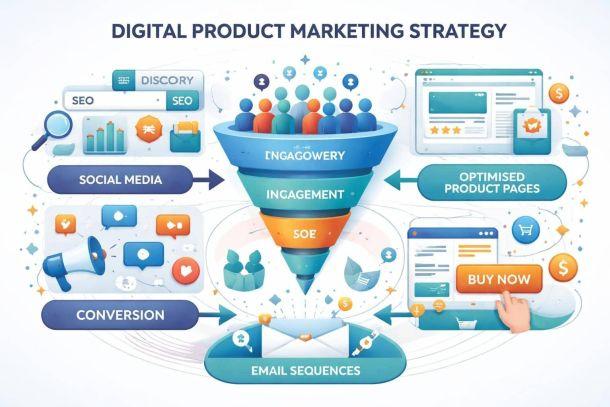
Digital product marketing isn't the same as selling physical goods. You can't hold an ebook, inspect a course module in-store, or test-drive software before purchase. That fundamentally changes how you position, promote and sell. The best digital product marketing strategies work because they build trust fast, demonstrate value clearly, and remove every possible barrier between discovery and purchase. This guide shows you what actually works in 2026, with real tactics you can implement this week.
Why Digital Product Marketing Demands a Different Approach
Physical products have tangible qualities. Customers can touch them, see them on shelves, read packaging. Digital products exist only as promises until after purchase. That shifts your entire marketing challenge.
Your job is to make the intangible feel real. You need proof before purchase, not after. This means your product pages must do more heavy lifting than any physical retail display ever could.
The Trust Gap Problem
New customers face a genuine risk buying digital products. They're handing over money for something they can't examine. Poor digital product marketing ignores this. Effective campaigns address it head-on.
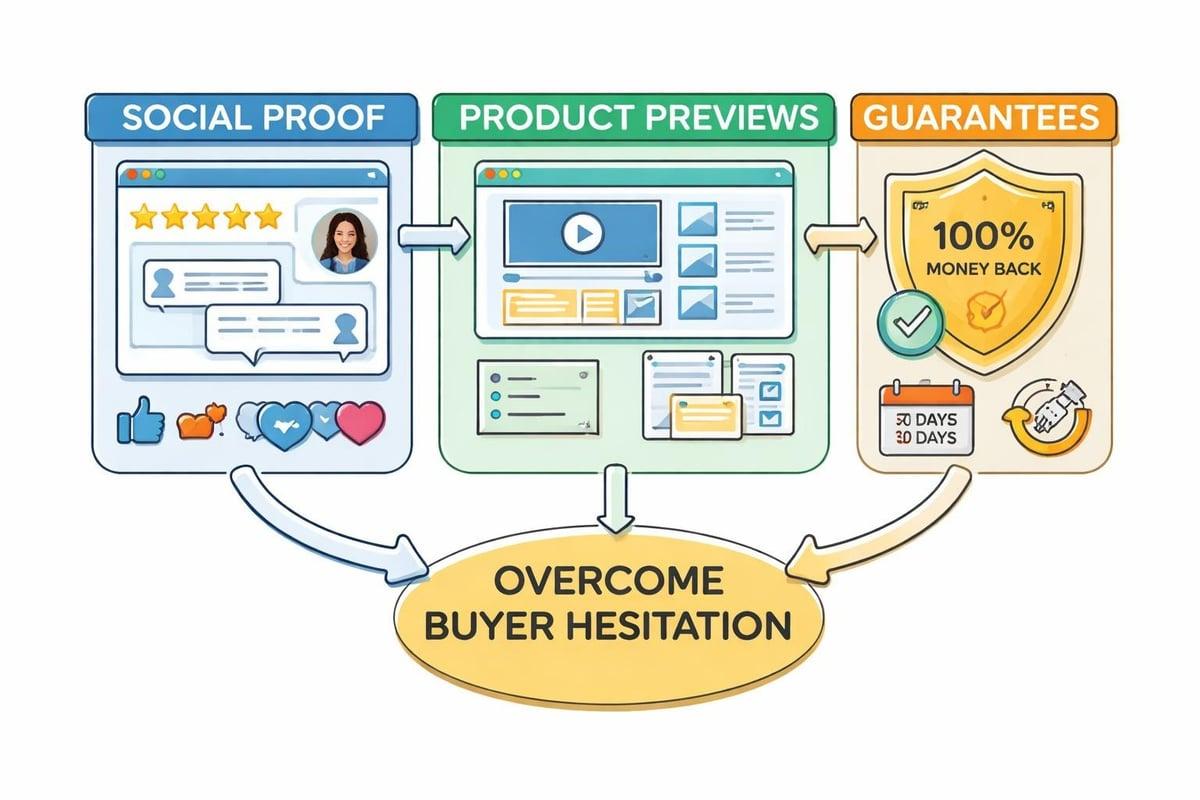
Three ways to close the trust gap:
- Social proof that's specific: Not just "5 stars" but "this template saved me 12 hours on my first project"
- Preview content generously: Show actual pages from your ebook, real module screenshots, genuine feature demos
- Money-back guarantees that mean it: Make refunds simple, not a customer service battle
A well-structured product page with these elements can double conversion rates.
SEO for Digital Products: Getting Found First
Search traffic converts brilliantly for digital products because people are actively looking for solutions. Someone searching "project management template for consultants" has clear intent and an open wallet.
Keyword Strategy That Actually Ranks
Forget chasing "online courses" or "ebooks". Those are vanity searches that won't pay your bills. Instead, target specific problem-solving queries.
| Keyword Type | Example | Search Volume | Conversion Potential |
|---|---|---|---|
| Generic | "online course" | High | Very Low |
| Category | "marketing course" | Medium | Low |
| Solution-specific | "email sequence templates for coaches" | Low-Medium | Very High |
| Comparison | "Notion vs Asana for freelancers" | Low | High |
Practical SEO tactics for digital products:
- Create comparison content: "X vs Y" articles rank well and capture high-intent traffic
- Build tool pages: Free calculators, templates or assessments that link to paid products
- Target "how to" queries: Then position your product as the faster solution
- Optimise for featured snippets: Answer questions directly in the first 50 words
- Internal linking structure: Connect blog content to product pages with relevant anchor text
Paid Advertising: When and How to Invest
Organic traffic takes time. Paid ads can work immediately, but only if you understand digital product economics.
Three levers you can actually control:
- Landing page conversion rate: Get this from 2% to 4% and you've doubled profit per visitor
- Average order value: Offer bundle deals, payment plans, or upsells at checkout
- Customer lifetime value: Customers who buy three products are gold
Email Marketing: Your Most Valuable Channel
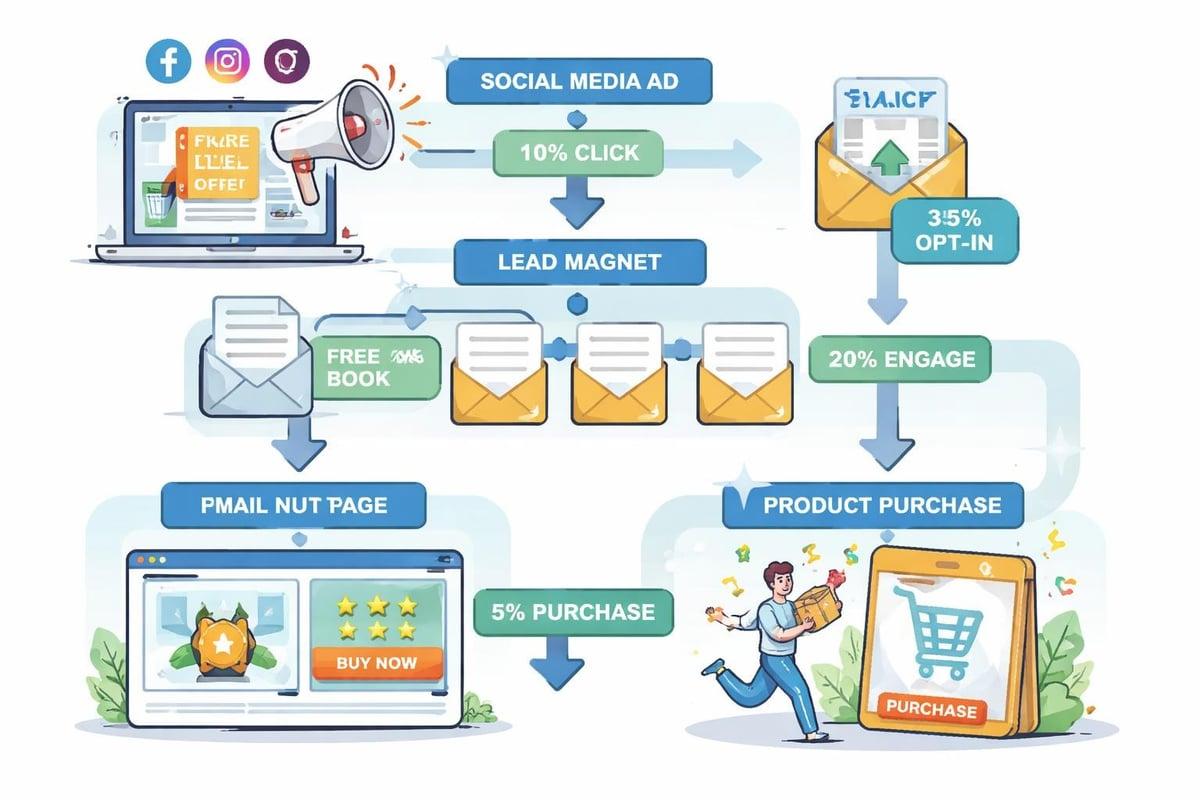
Email converts better than any other channel for digital product marketing. A visitor who lands on your product page once and leaves has a 2-3% chance of buying. A subscriber who receives six valuable emails over two weeks has a 12-18% chance.
Email Sequences That Sell
Effective welcome sequence structure:
- Email 1 (immediate): Deliver the promised lead magnet, set expectations, show personality
- Email 2 (day 2): Share a quick win or valuable tip related to your paid product
- Email 3 (day 4): Tell your story or share a case study
- Email 4 (day 6): Introduce your paid product as the natural next step
- Email 5 (day 8): Handle objections and share testimonials
- Email 6 (day 10): Create urgency with a time-limited discount or bonus
Content Marketing That Converts Browsers to Buyers
Effective content does three jobs: attracts the right traffic, demonstrates expertise, and creates desire for your paid solution.
Content formats that work brilliantly for digital products:
- Process breakdowns: Step-by-step guides that showcase how complex the manual approach is
- Tool comparisons: Reviews that include your product as one option (be honest about limitations)
- Case studies: Real examples of your product in action with specific results
- Template teardowns: Analysing good examples in your niche
- "How I" stories: Personal experiences that naturally feature your product
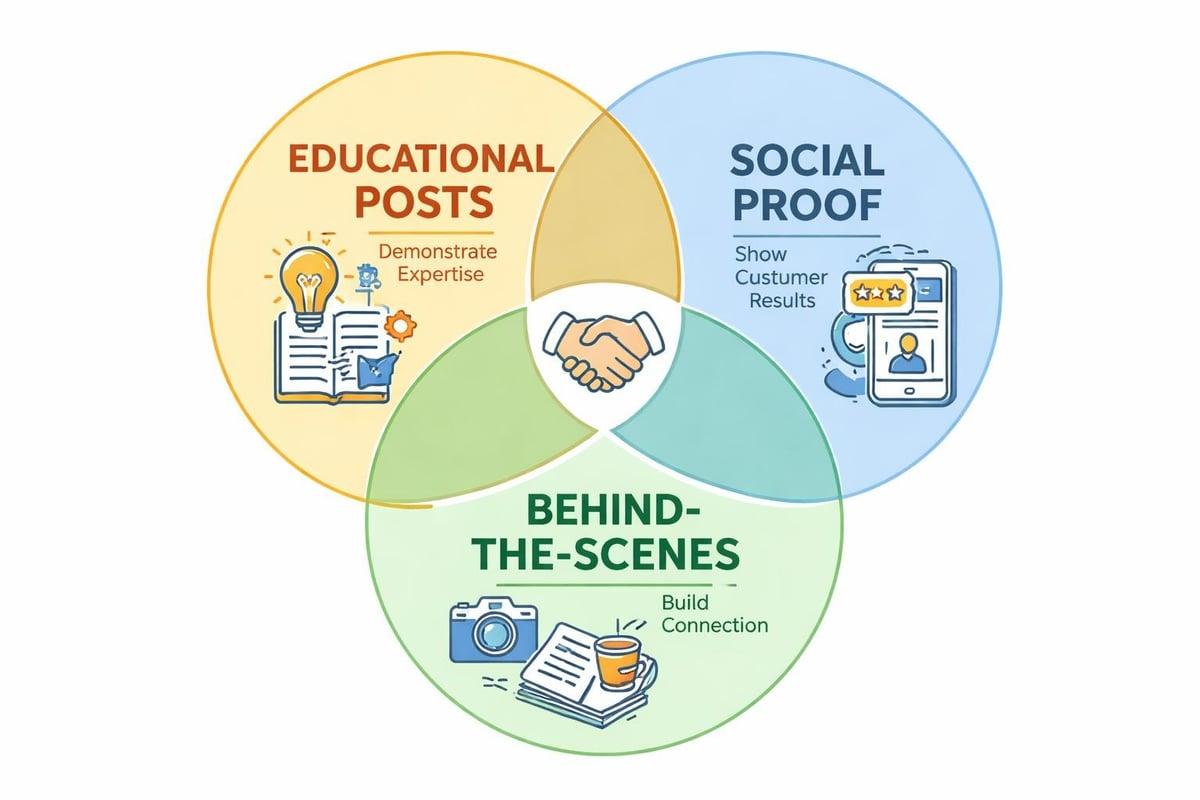
Social Media Strategy for Digital Products
Platform-Specific Approaches
| Platform | Primary Goal | Content Type | Link Strategy |
|---|---|---|---|
| Build authority | Carousel education posts, Reels | Link in bio, Stories | |
| TikTok | Reach new audiences | Quick tips, before/after | Profile link only |
| B2B credibility | Long-form posts, articles | Direct linking allowed | |
| Twitter/X | Real-time engagement | Quick insights, threads | Tweets with links |
| YouTube | Deep education | Tutorials, walkthroughs | Description and cards |
Conversion Rate Optimisation for Product Pages
Your traffic sources don't matter if your product page can't convert. Most digital product pages fail because they're either too salesy or not persuasive enough. The sweet spot is informative confidence.
Essential Elements of High-Converting Product Pages
Above the fold:
- Clear headline stating the transformation or outcome
- Subheading addressing the target customer
- Primary call-to-action button
- Trust indicator (reviews, customer count, security badge)
Middle section:
- What's included (be specific, not vague)
- Who it's for (and who it's not for, this builds trust)
- How it works (process or curriculum overview)
- Social proof (testimonials with photos and specifics)
Lower section:
- FAQ addressing common objections
- Guarantee or refund policy
- Final call-to-action
- Creator bio (establishes authority)
Analytics and Improvement: What to Actually Track
Track metrics that inform action, ignore vanity numbers that feel good but don't drive revenue.
Conversion metrics:
- Product page conversion rate by traffic source
- Email sequence conversion rate
- Average order value and cart abandonment rate
- Refund rate (high refunds signal positioning problems)
Set up weekly reviews. Every Friday, check your core numbers. Which traffic source converted best this week? What email got the highest click rate?
Digital product marketing succeeds when you address the unique challenges of selling intangible goods: building trust before purchase, demonstrating clear value, and removing every friction point between discovery and sale. If you're looking for hands-on support with high-converting product pages, SEO that drives revenue, or marketing automation that saves time, Marketing XP combines web development expertise with practical marketing strategy to deliver measurable results.
Keep reading
More on marketing
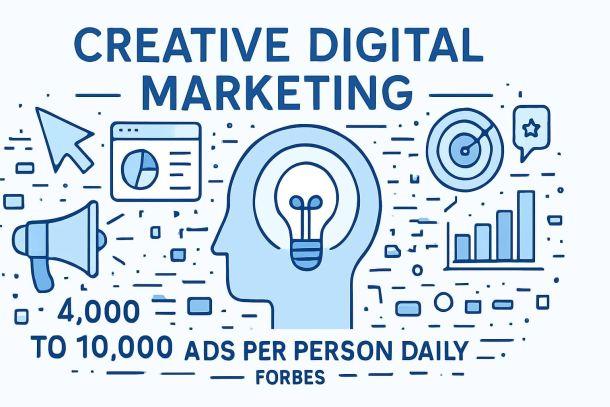
Creative Digital Marketing
Every day, you're hit with between 4,000 and 10,000 ads. No wonder it feels like brands are shouting over one another just to be seen. The truth? Throwing more money at ads won't cut through this noise. Brands that blend creative digital marketing with smart strategy are 12 times more effective.
Event Tracking
The world of data-driven marketing is moving at breakneck speed. By 2026, businesses that want a genuine competitive edge must stay ahead of the curve.
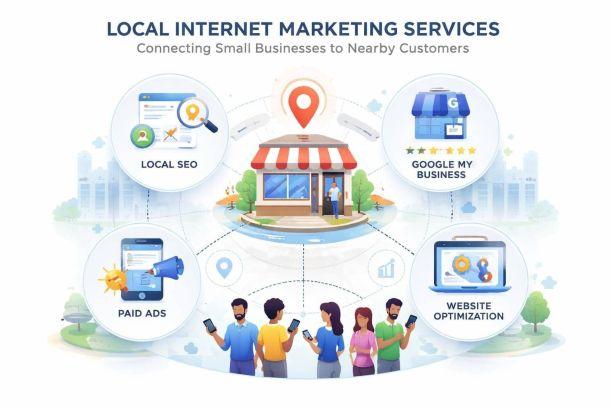
Local Internet Marketing Services
Most small businesses waste thousands on local internet marketing services that look impressive but deliver nothing tangible. You see vanity metrics, glossy reports and "brand awareness" claims while your phone stays silent and your inbox empty. The reality is simpler: local internet marketing should bring qualified enquiries from people in your area who are ready to buy.
Want this done rather than read?
Tell me what you sell and what isn't working. The audit that starts every engagement is free, and you keep the roadmap either way.